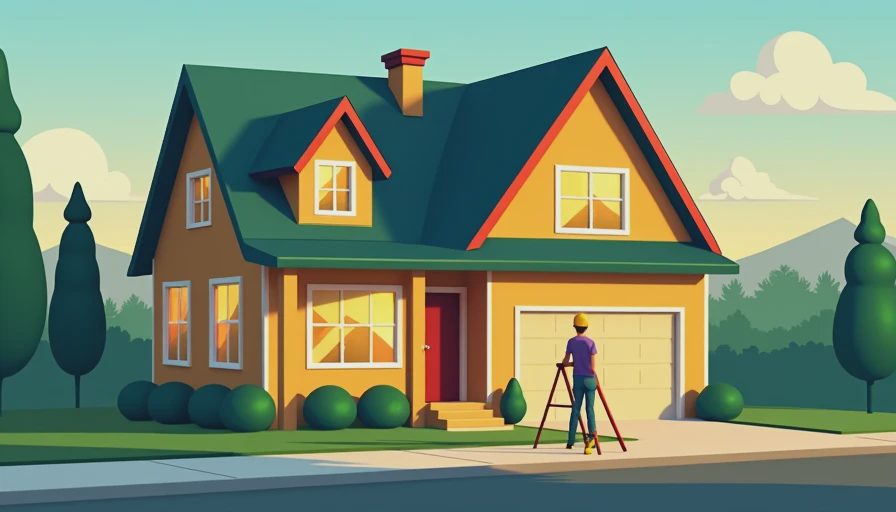
If you own a pre-1990 home, you already know the winter draft drill. You walk past a window and feel that cold air sneaking in around the frame. Your heating system works overtime, and your utility bills climb. I see this in almost every older house I visit. One of the most cost-effective fixes? Adding **energy efficient storm windows**. These aren't your grandpa's rattly aluminum storms. Modern storm windows are designed to reduce air leakage, improve insulation, and protect your original windows—without breaking the bank.
Why Your Old House Needs Storm Windows
Original single-pane windows are beautiful, but they're terrible insulators. Even well-maintained wood windows lose heat through the glass and around the sashes. **Energy efficient storm windows** create an extra layer of protection. They add an air gap and often include Low-E coatings that reflect heat back into your home. For a typical pre-war house in Pittsburgh or Boston, adding storm windows can cut heat loss through windows by 25% to 50%, depending on your existing windows. That’s real money back in your pocket every winter.
But it’s not just about savings. Storm windows also reduce drafts, making rooms more comfortable. And they protect your original wood windows from weather damage, extending their life. For families with young kids, fewer drafts mean fewer cold spots in the playroom.
How to Choose the Right Storm Windows
Not all storm windows are equal. Look for models with a low U-factor (below 0.30) and a visible transmittance rating that matches your needs. Exterior storm windows are the most common, but interior storms also exist. For most older homes, exterior storms are easier to install and more effective. Brands like Larson and Pella offer wood-clad or aluminum frames with built-in screens. If you want maximum efficiency, choose ones with Low-E glass and a tight seal.
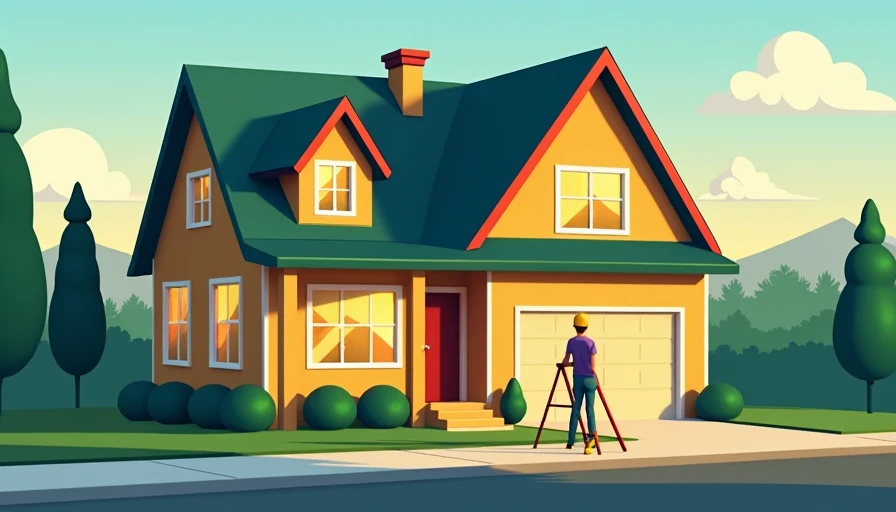
When shopping, measure your window openings carefully. You can get custom sizes or standard sizes that fit. Installation is straightforward if you're handy: screw the frame into the existing brick molding or window casing, then caulk around the edges. If you're not comfortable on a ladder, hire a handyman—it's typically a half-day job for a few windows.
Cost and Savings: What to Expect
A good **energy efficient storm window** costs between $100 and $400 per window, depending on size, frame material, and glass options. For a typical 10-window house, materials run $1,000 to $4,000. Installation adds maybe $200–500 total if you hire help. Compare that to full replacement windows, which can cost $500–$1,000 each. Storm windows are a fraction of the price.
What about savings? On an average older home, upgrading to energy efficient storm windows can save $100–$300 per year on heating bills, depending on your climate and fuel costs. Plus, there are often rebates from utilities or tax credits for energy-efficient improvements. Check the ENERGY STAR website for current offers. The payback period is usually 3–7 years, and you get immediate comfort benefits.
Installation Tips for Maximum Performance
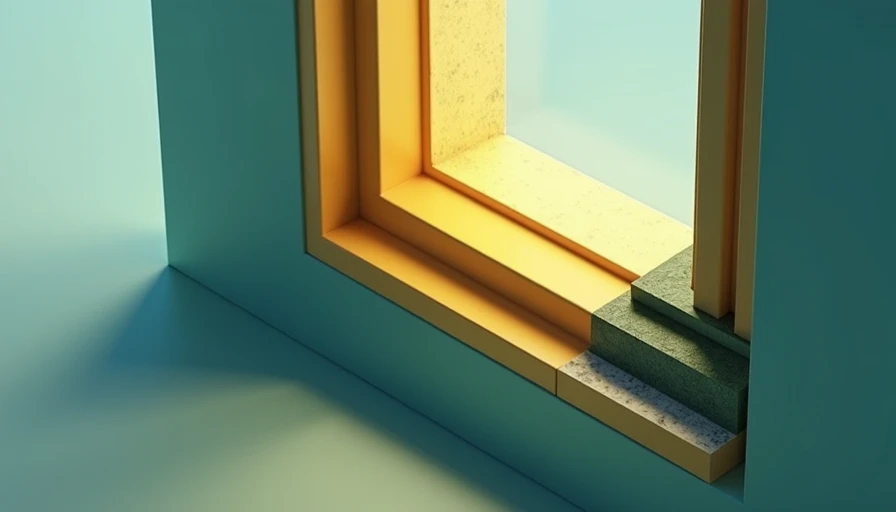
To get the most from your storm windows, install them correctly. First, make sure your existing windows are in decent shape—fix any rot or broken glass before adding storms. Then, use a high-quality exterior caulk or foam tape to seal the gap between the storm frame and the house. Avoid rigid foam—it can trap moisture. Also, choose storms with built-in weep holes or channels to let condensation escape. If you live in a cold climate, consider interior storm windows for double-layer protection on your worst windows.
Storm Windows vs. Replacement Windows: What Makes Sense?
If your original windows are historic, drafty, but structurally sound, **energy efficient storm windows** are often the smarter choice. They preserve the character of your house, cost less, and are easier to replace later. Full replacement windows are better only if your existing windows are beyond repair. I usually tell homeowners: start with storm windows on the draftiest rooms. If you still have issues after that, then think about replacement. This way you spread out the cost and see real progress.
A Final Word from Grant
Raising kids in an older house means balancing comfort, safety, and budget. I’ve seen families slash their heating bills by adding storm windows to a few key rooms. You don't have to do them all at once. Start with the north-facing windows or the ones that feel the draftiest. In my own 1948 house, I added storms to the kids' rooms first—no more cold floors in the morning. **Energy efficient storm windows** are one of those upgrades that pay for themselves in comfort and peace of mind.
If you’re tired of drafty windows and high heating bills, talk to a local contractor about storm window options. Or, if you’re handy, measure and order a few this weekend. Your winter self will thank you.
Frequently Asked Questions About Energy Efficient Storm Windows
**Q: Can I install storm windows myself?**
A: Yes, if you’re comfortable with basic tools and a ladder. For exterior storms, you screw the frame into the window casing and caulk. It’s a weekend project for a few windows. If you have multiple windows or a two-story house, consider hiring a handyman.
**Q: Do storm windows work with vinyl or aluminum windows?**
A: They work best with wood or wood-clad windows because you need a solid surface to attach the frame. For vinyl or aluminum, you might need a different approach, like interior storm panels. Check with a window specialist.
**Q: Are there tax credits for energy efficient storm windows?**
A: Yes, some qualify for federal tax credits (up to 10% of cost, subject to caps). Look for ENERGY STAR certified models. State and local utility rebates also apply. Always verify current incentives before purchasing.
**Q: How long do storm windows last?**
A: Quality aluminum or wood-clad storm windows last 20–30 years with minimal maintenance. Clean the glass and check seals every few years. The Low-E coating may degrade slightly over time, but performance remains good.
**Q: Will storm windows make my home harder to clean?**
A: Most modern storm windows have tilt-in sashes or removable panels for easy cleaning. You can also take the storm off completely during mild weather. It’s not much different than cleaning regular windows.



No feedback yet — submit the first.