I still remember the first call Megan made to me after we put the offer on our 1948 house.
She was standing in the living room—empty, echoey, with that faint basement smell you can’t un-smell. Her voice was quiet, the kind of quiet that means she’s already run through five worst-case scenarios.
“Grant. What if we just bought a money pit? What if the kids get sick? What if we can’t afford to fix the real problems?”
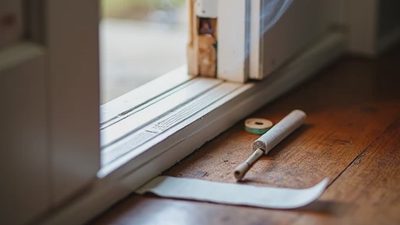
She wasn’t wrong to ask. The inspection had flagged lead paint on the window jambs, a damp corner in the basement, and a heating bill from the previous owner that looked like a mortgage payment.
But here’s what struck me: Megan isn’t an anxious person. She’s an art teacher. She hangs finger paintings on the fridge. She forgets to check her oil change sticker.
If she was this scared? Then thousands of other families must feel the same way. And almost nobody is talking to them like human beings.
The way we talk about old houses is broken
Walk into any home center or scroll through renovation accounts, and you’ll get one of two messages:
Message A: “Everything is dangerous. Test for everything. Replace everything. Hire a pro for everything.”
Message B: “Don’t worry about it. People lived in old houses for a hundred years. You’re overthinking it.”
Message A sells inspections, abatement, and full gut rehabs. Message A sells fear.
Message B sells denial. And denial costs you money later—usually three times as much.
Neither message teaches you how to think about an old house.
Neither message answers the real questions families ask at 10 p.m. when the basement sump pump won’t stop running:
“Is this actually bad for my kids?”
“Can this wait until next year?”
“Where do I spend my first $1,000?”
“What can I DIY and what should I never touch?”
Old houses scare families because nobody gives them a map
Think about what happens when you buy an old house.
You sign a mountain of disclosure forms. You get an inspection report that’s 40 pages long. The report uses words like “elevated moisture,” “asbestos-containing material,” and “deferred maintenance.”
Then you Google those words.
And Google shows you attorney websites, mold remediation companies, and forum threads where someone says “run, don’t walk.”
Before you’ve unpacked a single box, you’re already afraid of your own walls.
That’s not your fault. That’s a system that profits from uncertainty.
What I learned after hundreds of old-house inspections
I spent years doing home inspections and environmental risk assessments in Pittsburgh and across the Midwest. I’ve been in basements so wet you could hear dripping from the front door. I’ve seen lead paint flaking off crib-room windows. I’ve measured radon, asbestos, and CO more times than I can count.
Here’s what I actually believe now, after all of that:
Most old-house problems are real, but most are also manageable.
The difference between scared families and confident families isn’t money. It’s order of operations.
Confident families know:
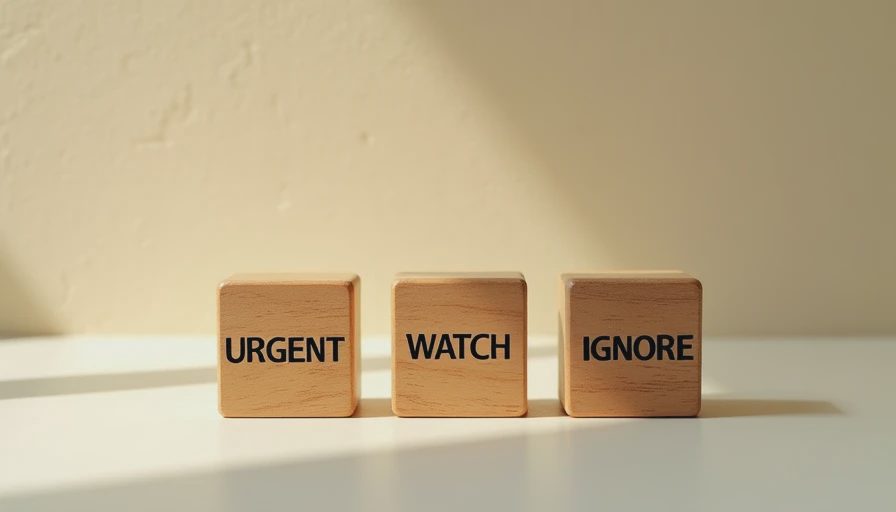
Which problems can kill you (very, very few)
Which problems will rot your house slowly (more of these)
Which problems are ugly but harmless (most of them)
And most importantly—what to ignore until next year
Why this blog exists
This blog exists because old houses scare families more than they teach them.
I want to flip that.
I want this to be the place where you learn:
How to test for lead paint without paying $500 (and when you don’t need to test at all)
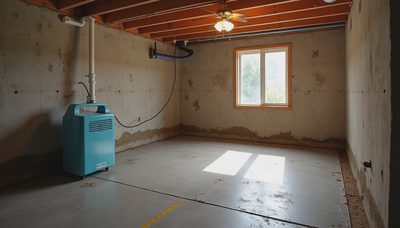
How to tell if a wet basement is an emergency or just an annoyance
How to prioritize repairs when you have 2,000, not2,000,not20,000
How to keep your kids safe without living in a plastic bubble
And I want to do it in plain English. No scare tactics. No “you must hire a certified everything.” Just honest, field-tested judgment from someone who’s made mistakes in his own house (ask me about the French drain that didn’t work).
A promise to you
I’m not going to tell you to rip out your walls because of one cracked tile.
I’m not going to sell you a $5,000 air purifier.
I will tell you exactly what I’d do if this were my house. And I’ll tell you what I’d wait on, what I’d DIY, and what I’d borrow money to fix.
Megan and I still live in that 1948 house. Elsie (5) and Nolan (2) test every corner, every railing, and every low window sill. The basement still gets a little damp after three days of rain. The heating bill still isn’t pretty.
But we’re not scared of it anymore. We have a plan. We know what’s serious and what’s not.
That’s what I want for you.
Welcome to Old House Health. Let’s stop being scared and start being smart.
No feedback yet — submit the first.