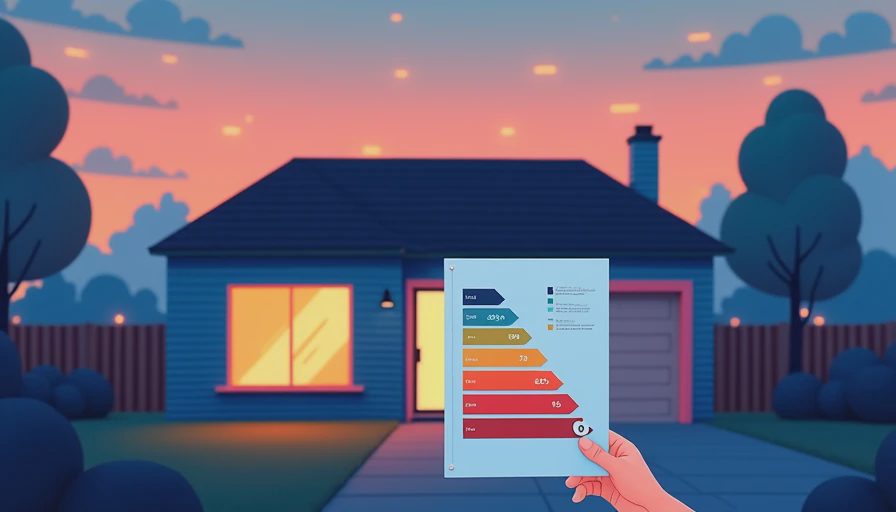
If you live in an older house—especially one built before 1990—you already know the feeling: cold drafts in winter, hot spots in summer, and heating bills that seem to climb every year. One of the most overlooked factors is your **window insulation rating**. This number tells you how well your windows resist heat transfer, and it makes a huge difference in comfort, energy costs, and even moisture control. Let me walk you through what this rating means, where to find it, and how to use it to make better decisions for your home.
Every fall, I grab my thermal camera and walk through my own 1948 house before the first real cold snap. The first thing I check? The windows. Poorly insulated windows are like leaving a hole in your wall. The **window insulation rating**—usually expressed as a U-factor or R-value—is the key to understanding whether your windows are helping or hurting.
What Is a Window Insulation Rating (and Why Should You Care)?
The **window insulation rating** is a measure of how well a window prevents heat from passing through. In the U.S., we usually talk about U-factor (the rate of heat transfer) or R-value (the resistance to heat flow). For windows, the lower the U-factor, the better the insulation. For example, a single-pane window might have a U-factor around 1.2, while a modern double-pane window with low-E coating could be 0.30. On an R-value scale, that’s roughly R-1 for single-pane and R-3 for double-pane.
Why does this matter for your old house? Because older homes often have original windows with terrible insulation ratings. A poor **window insulation rating** means you’re losing heat in winter and gaining heat in summer. Your furnace and air conditioner work harder, your energy bills spike, and your home feels drafty. Worse, condensation can build up on cold glass, leading to moisture problems on your window frames and sills—exactly the kind of hidden risk I help families manage.
How to Find the Window Insulation Rating of Your Current Windows
You might be wondering, “How do I know my windows’ rating?” Start by looking for a National Fenestration Rating Council (NFRC) label. If your windows were made after 1995, they likely have one. The label shows U-factor, solar heat gain coefficient, and visible transmittance. If you can’t find a label, check the manufacturer’s website or user manual. For truly old windows—like the original single-pane wood frames in my house—there might be no label at all. In that case, assume a U-factor near 1.0 or worse.
Another option: hire a home energy auditor or use an infrared thermometer to test for cold spots. I do this myself every fall. It’s a simple way to see if your **window insulation rating** is costing you money. If the glass feels noticeably colder than the wall on a chilly day, your rating is poor.
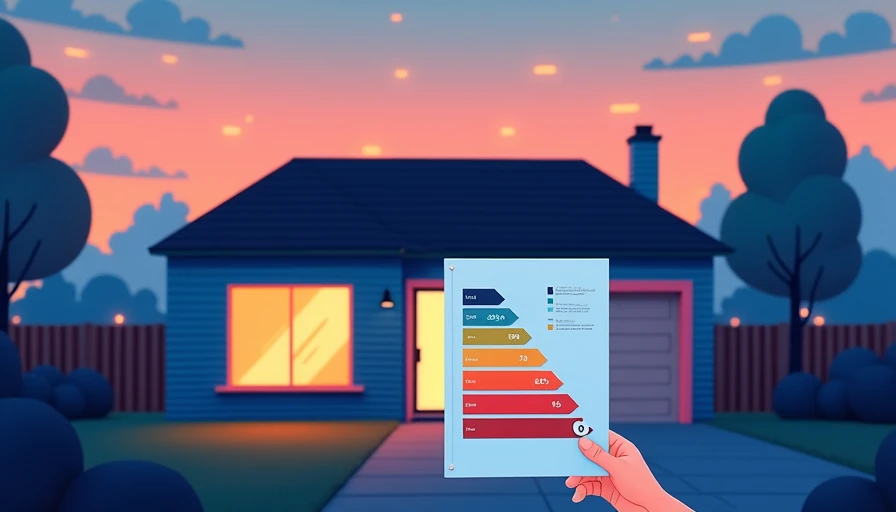
Upgrading Windows? Use the Rating, Not Just the Price Tag
When you start shopping for replacement windows, you’ll see a range of options. It’s tempting to pick the cheapest double-pane window, but the **window insulation rating** should drive your decision. A window with a U-factor of 0.30 will save you far more over time than one with 0.50, even if it costs a bit more upfront. For example, upgrading from U-0.50 to U-0.30 in a typical 2,000-square-foot house could save $200–$400 per year on heating and cooling, depending on your climate.
For older homes in cold regions like the Midwest or Northeast, I recommend triple-pane windows with a U-factor below 0.25. They cost more, but they also reduce drafts, noise, and condensation. If replacing all windows isn’t in your budget, prioritize the rooms you use most—living room, kitchen, kids’ bedrooms. A good **window insulation rating** here will improve comfort where your family spends the most time.
When Replacing Windows Isn’t the Answer: Low-Cost Fixes That Help
I know full window replacement isn’t always feasible, especially if you’re dealing with other old-house issues like lead paint or asbestos. The good news: you can improve your **window insulation rating** without replacing every frame. Here are a few proven steps:
- **Weatherstripping**: Seal gaps around operable windows. This can reduce air leakage by 10–20%.
- **Storm windows**: Add an exterior or interior storm panel. This creates an insulating air gap, effectively turning a single-pane window into double-pane. You can often DIY this for under $50 per window.
- **Thermal curtains**: Heavy drapes over your worst windows. They won’t change the U-factor, but they reduce convective heat loss.
- **Window film**: Apply low-E shrink film to the inside of the glass. This raises the surface temperature, reducing condensation and cold drafts.
Will these get you the same performance as a new triple-pane window? No. But they can improve your effective **window insulation rating** significantly, often for a fraction of the cost. For many families, a partial upgrade is the right move.

The Bottom Line on Window Insulation Rating for Older Homes
Your home’s windows are more than just glass panes—they’re a major factor in your family’s comfort, safety, and energy budget. Understanding the **window insulation rating** helps you separate what needs urgent attention from what can wait. Start by checking your current windows. If they have a poor rating, decide whether replacement or a low-cost fix makes sense based on your budget and long-term plans.
Remember, you don’t need a perfect house. You need a house that is safe, dry, and honest. A better understanding of your **window insulation rating** is one step toward that. Take a few minutes this weekend to inspect your windows, look for that NFRC label, and see where you stand. Your wallet—and your family—will thank you.
*Grant Holloway is a home health and safety consultant based in Pittsburgh. He writes about making old houses safer without losing your savings or your sanity.*




No feedback yet — submit the first.