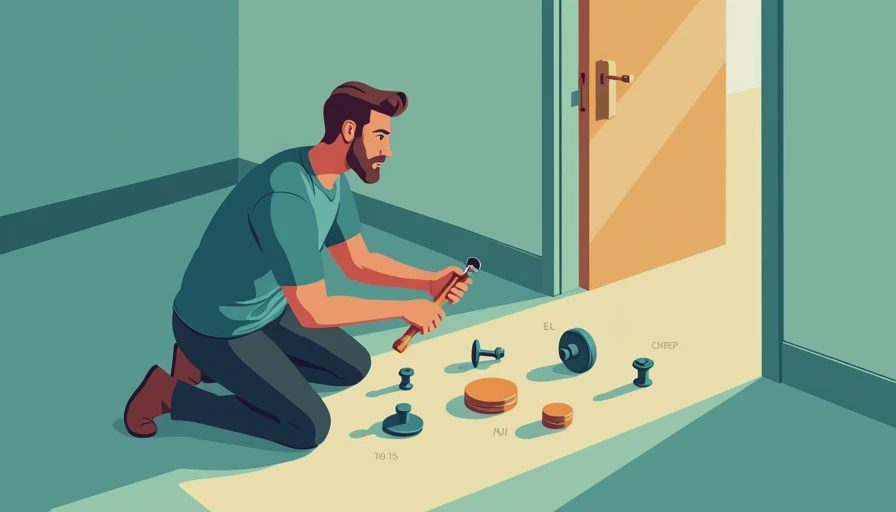
If you own an older home, chances are you've dealt with a loose or stubborn door knob at some point. Door knob parts can be confusing—especially when you're trying to match the original hardware from decades ago. I remember the first time I took apart a knob in our 1948 house: springs flew everywhere, and I had no idea which piece went where. Whether you're fixing a sticky latch or swapping out a whole set, knowing the basic components makes the job a lot easier. And if your house was built before 1978, there's an extra layer of concern: old door knob parts may contain lead paint or even lead in the brass itself. Let me walk you through what you're actually looking at when you unscrew that rosette.
Common Door Knob Parts and Their Functions
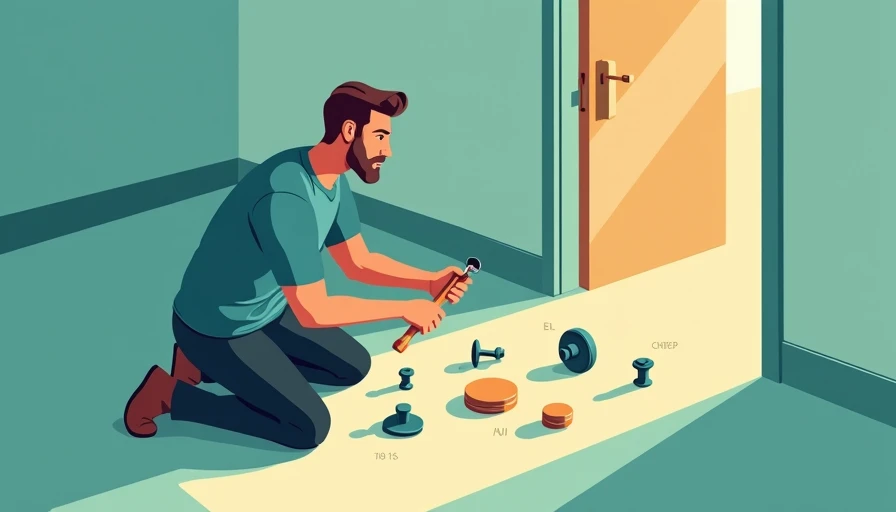
Most residential door knobs share a handful of standard parts. The **knob** itself is what you grip—it can be round, lever-shaped, or a decorative antique style. Behind the knob is the **rosette** or backplate, which covers the mounting holes. The **spindle** is the metal bar that connects the two knobs and turns the latch mechanism. Inside the door edge is the **latch** or deadbolt, which extends into the strike plate on the door frame. The **strike plate** is what receives the latch. Springs and screws hold everything together. Understanding these door knob parts helps you troubleshoot common problems like a stuck latch, a wobbly knob, or a misaligned strike plate. I always tell homeowners: start by figuring out which part is failing—most times it's a loose screw or a worn spring, not a broken knob.
Why Old Door Knob Parts Need Special Attention
If your home was built before 1978, there's a good chance the door knob parts have lead-based paint or even lead in the metal alloy. Lead was commonly added to brass to improve machinability up through the mid-20th century. When these parts wear or get sanded during a repair, lead dust can spread. That's a real risk if you have young children, like I do. I recommend testing any old door knob parts with a lead test swab before you start removing or refinishing them. Also, older hardware may have non-standard dimensions—spindles might be too long or too short for modern replacements. You can sometimes find exact matches at architectural salvage yards or online specialty shops. Don't assume a modern knob set will fit the same holes; measure the backset (distance from the edge of the door to the center of the knob) and the crossbore size first. Taking the extra time to source the right door knob parts now saves you from drilling new holes later.
How to Replace or Repair Door Knob Parts
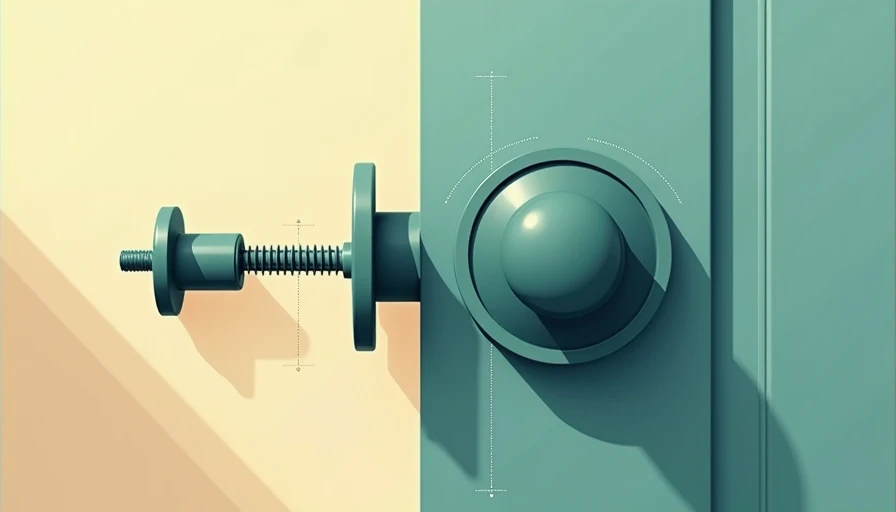
Replacing a door knob set is a straightforward DIY project, but old homes can throw curveballs. Start by removing the old knob: usually there's a small slot or screw on the shank to release the knob. Slide off the rosette, then pull the latch mechanism from the edge of the door. If the new door knob parts match the existing holes, installation is just a reverse process. However, if the spindle is too long, you may need to cut it with a hacksaw. If the latch doesn't align with the strike plate, you might need to file the strike plate opening. For repairs, often a squirt of lubricant (not WD-40—use graphite powder) and a tightened screw are enough. If a spring is broken, you can sometimes buy just the spring from a hardware store rather than replacing the whole latch. Remember: never force a stuck part—you risk damaging the door itself. And if you're dealing with historic door knob parts that are decorative, consider keeping the original knobs and only replacing the internal mechanism, if possible.
Safety Considerations for Door Knob Parts in Homes with Kids
When you have little ones, door knobs become a safety concern. Older door knob parts may have sharp edges or contain lead, as I mentioned. If you have toddlers, you might want to install childproof covers or replace lever handles with round knobs that are harder for kids to open. But don't toss the original parts—store them in a labeled bag in case you want to restore them later. For bedrooms and bathrooms, privacy locks (the kind with a push-button or turn-lock) are common in old houses but often fail over time. Replacing them with modern privacy door knob parts that match the vintage style is possible; look for brands like Baldwin or Emtek that offer reproduction hardware. Also, ensure that any replacement parts meet current safety standards—for example, interior doors should not have locking mechanisms that can trap a child. Finally, always keep your door knob parts in good working order: a door that doesn't latch properly can be a fire hazard if it won't close fully. Test every door in your house at least once a year—twice if the season changes cause wood to swell or shrink. You do not need a perfect house. You need a house that is safe, dry, and honest—and that includes the hardware on every door.

No feedback yet — submit the first.