
“Grant – our daughter is six months old. Her nursery is freezing. The windows leak so bad we can feel the curtain move. The old trim around the windows is cracked and peeling. My wife is worried about lead paint. I’m worried about the heating bill. We don’t know what to fix first, or what can wait. Help us not mess this up.”
I’ve gotten some version of this message maybe fifty times. New parents in an old house, standing in a chilly nursery, holding a sleeping baby, feeling like every surface is a threat and every draft is a failure.
Here’s what I told him. And here’s what I want you to know if you’re in the same spot.
Step one: Stop the adrenaline spiral
When you have a baby in an old house, your brain starts seeing danger everywhere. That cracked window glazing? Lead dust. That cold floor? Pneumonia. That peeling trim? Paint chips in her mouth.
I get it. Megan and I went through the same thing when Elsie was born. I’d spent years doing environmental inspections, and I still found myself lying awake wondering if the 1948 window sills were slowly poisoning our daughter.
Here’s what I learned: panic doesn’t help you prioritize. And in an old house, prioritization is everything.
So before you buy anything, before you call anyone, before you move the crib for the third time — take a breath. Then walk through these four questions in order.
Question 1: Is there a lead safety issue right now?
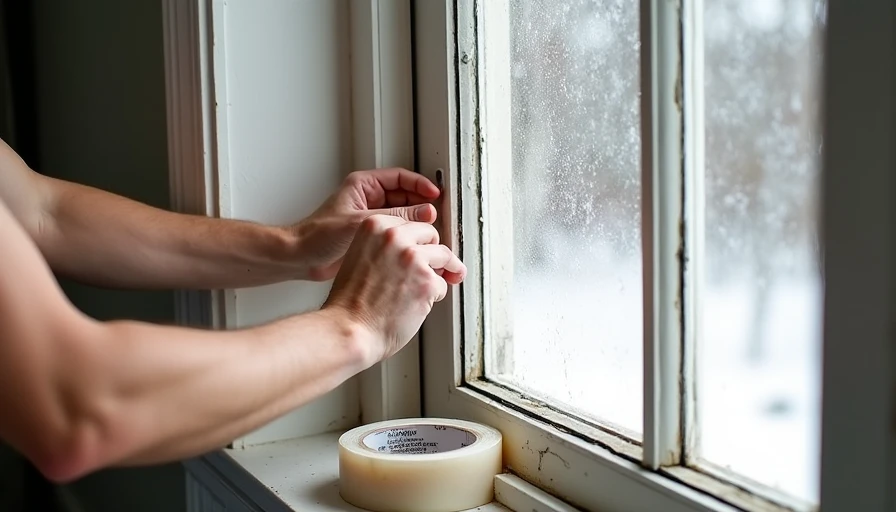
The dad mentioned old trim that was cracked and peeling. That’s the first thing to check.
Lead paint isn’t dangerous because it exists. It’s dangerous when it’s deteriorating on a surface a baby can reach or mouth.
In a nursery, the risk surfaces are:
Window sills and jambs (babies love to chew them when they start pulling up)
Baseboards and door frames (mouth level for crawlers)
Crib rails (if painted with old paint — rare, but possible)
Trim around windows where paint is chipping or powdering
What to do immediately:
Do a visual check. Run a damp paper towel over the window sill and the trim. Does it pick up any dust or tiny chips? Look at the color. Old lead paint underneath many layers often shows as alligator cracking — small squares like dried mud.
Buy a lead test kit. Not the cheap ones that turn pink with any metal. Get the ones with separate ampoules (3M LeadCheck or similar). Test the window sill, the trim, and any baseboard within two feet of the floor.
If the test is positive and paint is deteriorating: Do not sand. Do not scrape. Wet‑wipe any visible dust or chips with a damp paper towel. Then cover the surface with contact paper, clear packing tape, or a strip of wide painter’s tape. That’s an immediate barrier. It costs $5 and takes ten minutes.
If the test is positive but paint is intact (not chipping, not rubbing): Leave it alone. Monitor it every month. Encapsulate later with lead‑sealing paint when you have time.
In this dad’s case, he tested the window trim. It came back positive for lead, but the paint was mostly intact except one small crack. We covered the crack with tape that day. No panic. Just a barrier.
Question 2: How dangerous is the draft, really?
Cold air leaking around windows is uncomfortable, but it’s rarely an emergency for a healthy baby. Babies are good at regulating temperature if you dress them appropriately (a sleep sack, a warm onesie). The real problem is that drafts often come with other issues: dust, noise, and in old houses, possibly lead dust being carried in on air currents.
But from a health and safety standpoint, drafts are a comfort problem, not a crisis.
That doesn’t mean ignore them. It means you can put them second or third on your list.
What to do that’s cheap and immediate:
Rope caulk. It’s a putty‑like strip you press into the gap between the window sash and the frame. It peels off in spring. Cost: $5–10 per window. Effectiveness: high.
Shrink film window kit. The plastic you stretch over the whole window and heat with a hair dryer. Ugly but incredibly effective. Cost: $10–20 per window. Makes the window feel like a sealed wall.
Heavy drapes or thermal curtains. These trap a layer of air against the glass. Not as good as sealing the leak, but they help. Cost: $30–100 per window.
What you do not need to do this year: replace the windows. That’s $10,000–20,000. Rope caulk is $10. Start with the $10 solution.
Question 3: Is the old trim itself a hazard beyond lead?
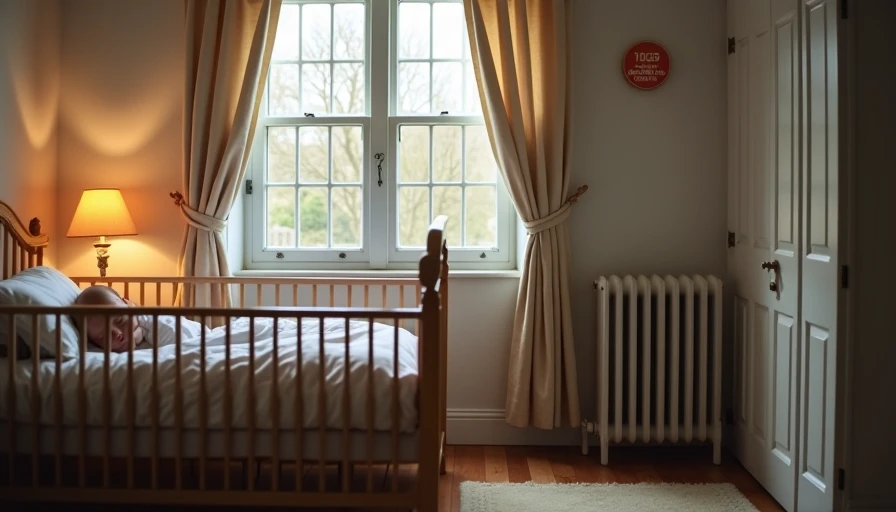
Old trim can have other problems: splinters, sharp edges, loose pieces that a child could pull off. But those are minor. The two real concerns are:
Lead paint (we covered that)
The trim creating air gaps that bring in cold, dust, or outdoor pollutants
If the trim is loose or has gaps behind it, cold air can pour in around the window frame. That’s an air sealing issue, not a trim issue.
Quick fix: Run a bead of paintable latex caulk along the gap between the trim and the wall. This stops the draft behind the trim. Cost: $5. Takes ten minutes per window.
Do not remove the trim unless you’re prepared to deal with potential lead paint dust, damaged plaster, and a bigger project. Caulk it and move on.
Question 4: What’s the real priority order for this nursery?
After we talked through those three questions, I gave this dad a simple one‑page plan. Here it is, exactly as I wrote it for him.
Do today (cost: under $20, one hour)
Wet‑wipe the window sill and trim to remove any dust.
Cover the small cracked area of lead paint with clear packing tape.
Apply rope caulk to the drafty window gaps.
Put a CO detector in the nursery hallway if you don’t have one.
Do this weekend (cost: $50–100, half a day)
Install foam outlet gaskets behind every electrical outlet and light switch on exterior walls in the nursery. Cold air comes through outlets.
Caulk the gap between the window trim and the wall.
If the window still feels drafty, install a shrink‑film kit.
Move the crib at least 12 inches away from the window. That reduces cold air exposure and also reduces the chance of baby mouthing the sill later.
Do this month (cost: $100–300, one weekend)
Buy a quart of lead‑encapsulating paint (like Lead Defender or Fiberlock). Paint over the window trim and sill. Two coats. This seals the lead paint permanently, much better than tape.
Replace the door sweep on the nursery door if you feel a draft from the hallway.
Add a small space heater with tip‑over and overheat protection (ceramic, not infrared) if the room is still cold after sealing. Use it only when you’re awake and in the room, or get a radiator‑style oil‑filled heater that’s safer for overnight.
Do this year (budget $500–1,500)
Add attic insulation above the nursery. If that room is cold, chances are the attic insulation is thin or missing right above it.
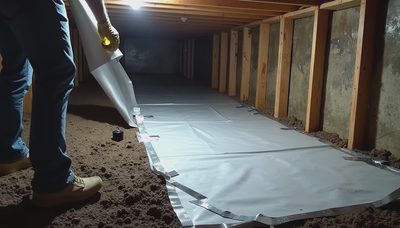
Seal the rim joist in the basement below the nursery. Cold air rises up through the walls.
Have a radon test done if you haven’t already. Radon is heavier than air, so basement and first floor rooms matter.
What we did in Elsie’s nursery
I’ve told this story before, but it’s worth repeating.
When Elsie was a baby, her room (northwest corner of a 1948 house) was always cold. The original double‑hung windows had original glazing that was falling out. The trim had alligator‑cracked lead paint under three layers of latex.
Megan wanted to replace the windows. I wanted to test for lead. We compromised: I tested (positive, but intact), she bought thermal curtains.
Here’s what we actually did, in order:
Rope caulk on the windows. Immediate draft reduction.
Encapsulation paint on the trim and sill. Took an afternoon.
Shrink film for the worst winter months. Ugly but warm.
Added blown‑in insulation in the attic above her room. That was the real fix. The room stopped being cold after that.
We never replaced the windows. They’re still the original 1948 wood windows. The rope caulk comes off every spring. Elsie is five now. She doesn’t complain about the cold. Her blood lead levels have always been normal.
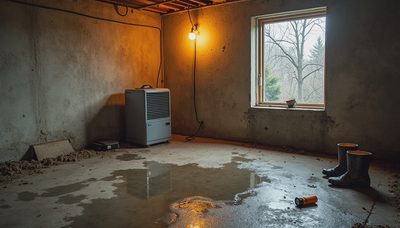
The window replacement money went into attic insulation and a basement dehumidifier. That was the right call.
One more thing: Don’t let perfect be the enemy of safe
The dad who emailed me wrote back a week later. He’d done the rope caulk, the tape over the lead crack, and the outlet gaskets. The nursery was noticeably warmer. He said, “I feel like I should be doing more. Like I’m being lazy.”
I told him the same thing I’ll tell you:
You are not being lazy. You are being strategic.
A nursery doesn’t need to be perfect. It needs to be:
Safe from immediate lead hazards (manageable)
Warm enough for sleep (dress the baby, seal the leaks)
Free from carbon monoxide (detector)
And the rest can wait.
Babies grow fast. By the time your child is walking, you’ll have a whole new set of priorities (gates, outlet covers, furniture anchors). You don’t have to solve everything in the first year.
So fix the drafts. Cover the lead chips. Add a CO detector. Put a warm sleep sack on the baby.
Then go to bed. You’ve done enough.
No feedback yet — submit the first.