
Last fall, I walked through my 1948 suburban Pittsburgh house with a thermal camera, the way I do every year before the first real cold snap. The results were predictable—drafts around the old single-pane windows, cold spots in the corners, and a clear path where heat was leaking straight outside. If you live in an older home, you know the feeling: warm air vanishes, heating bills climb, and your kids complain about cold rooms. One fix that doesn’t get enough attention is **low emissivity coating**—a thin metallic layer applied to window glass that reflects heat back into your house. In this article, I’ll explain what it is, how it works with older windows, and whether it’s worth the investment for your family.
What Is Low Emissivity Coating?
**Low emissivity coating**, often called low-e coating, is a microscopically thin layer of metal or metal oxide applied to glass surfaces. The term "emissivity" refers to how well a material radiates energy. A standard windowpane has high emissivity—it absorbs heat from your home and radiates it outside. Low-e coating reduces this, reflecting infrared heat back into the room while letting visible light pass through. In summer, it can also reflect outdoor heat away. Modern double-pane windows often have low-e coatings built in, but older homes with original single-pane or early double-pane windows miss out on this technology entirely.

How Low-E Windows Help Older Homes
If your house was built before 1990, chances are you have windows that lack **low emissivity coating**. That means every winter, your furnace works overtime to replace heat that’s escaping through the glass. According to the U.S. Department of Energy, heat gain and loss through windows accounts for 25%–30% of residential heating and cooling energy use. Adding low-e windows can cut that loss significantly. For families in cold climates like the East Coast and Midwest, that translates to lower bills and more consistent room temperatures. I’ve seen homes where upgrading to low-e windows dropped the heating bill by 15%–20%, even without replacing the frames.
Is Retrofitting Possible?
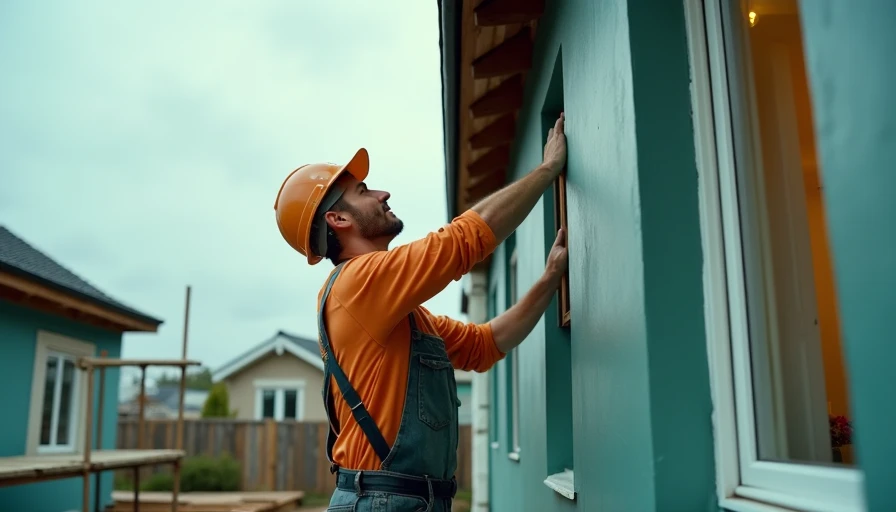
You don’t always have to replace the entire window. **Low emissivity coating** can be applied as a retrofit film or as part of a storm window system. I’ve used low-e storm windows on my own house and they made a noticeable difference in the drafty dining room. The film is less expensive but less durable—expect to replace it every 5–10 years. Storm windows with low-e glass are a sturdier option, and they preserve the original look of your old house. If you’re on a tight budget, start with the rooms where your family spends the most time: bedrooms and living areas.
Cost vs. Savings
Let’s talk numbers. A typical low-e replacement window runs $300–$700 per window installed, depending on frame material and complexity. Retrofit low-e storm windows cost $100–$250 each. Low-e film kits are $20–$50 per window. The return on investment depends on your local climate and current windows. In Pittsburgh, where winters are long, I figure a full low-e window replacement pays for itself in 5–7 years through energy savings. For a family with young kids, the comfort boost is worth as much as the cash. Plus, some utilities offer rebates for energy-efficient windows. Check with your local provider before you buy.
Installation and Maintenance Tips
If you decide to add **low emissivity coating** to your home, proper installation matters. For retrofit film, clean the glass thoroughly and apply the film on the interior surface during mild, dry weather. Air bubbles can reduce effectiveness. For low-e storm windows, make sure you install them on the exterior with proper seals to prevent moisture buildup between the panes. Once in place, low-e coatings require no special maintenance—just clean the glass with a soft cloth and mild soap. Avoid abrasive cleaners that could scratch the coating.
Should You Do It?
Not every old-house problem needs an immediate fix, but leaky windows hit both your comfort and your wallet. **Low emissivity coating** is a proven technology that works with older homes, especially in cold climates. Start with a simple energy audit—walk around your house on a cold day and feel for drafts. If your windows are the worst offenders, consider low-e storm windows or replacement windows with built-in low-e glass. You don’t need a perfect house; you need a house that is safe, dry, and honest. And with low-e windows, you’ll also keep it warmer.
Remember, the first step is always to know what you’re dealing with. Test your windows, check your energy bills, and talk to a reputable window contractor who understands old houses. Your family will thank you when the heating bill drops and the bedrooms stay cozy all winter.
Quick Checklist: Is Low Emissivity Coating Right for Your House?
Before you invest, run through this checklist to decide if **low emissivity coating** is the smart move for your family:
- **Age of windows:** Are your windows original single-pane or early double-pane (pre-1990)? If yes, low-e coating will make a big difference.
- **Climate:** Do you live in a cold region (Northeast, Midwest, or high elevations)? Low-e coatings save the most in heating-dominated climates.
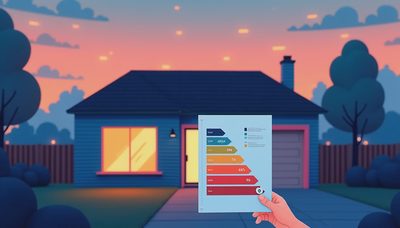
- **Energy bills:** Are your winter heating bills consistently high? A 15%–20% reduction could save $100–$400 per year.
- **Drafty rooms:** Do certain rooms feel noticeably colder in winter? Start with those.
- **Budget:** Can you afford $100–$250 per window for storm windows, or $20–$50 for film? Compare to full replacement at $300–$700.
- **Long-term plans:** If you plan to stay in your home 5+ years, the energy savings will pay back the investment.
- **Personal comfort:** Is keeping your family comfortable a top priority? That’s hard to put a price on.
If you checked yes to three or more, **low emissivity coating** is worth serious consideration. Even a single treated window in a frequently used room can make your home feel more comfortable and reduce your carbon footprint. Take it one step at a time, and you’ll see the benefits.




No feedback yet — submit the first.