
When I walk through an older home, one of the first things I check is the windows. Not just how they look, but how they were put in. A quality window installation isn't just about curb appeal—it's about keeping your family safe, your heating bills under control, and your home free from moisture problems. Whether you're replacing drafty single-pane windows or dealing with leaks around newer ones, understanding what good installation looks like can save you money and headaches.
Why Window Installation Matters for Your Family's Health
Old houses are full of surprises, and poorly fitted windows are one of the most common. When window installation is done wrong, gaps and cracks let in outdoor air, dust, and pollen, which can aggravate allergies and asthma. But the bigger concern is moisture. If water seeps in around the frame, it can lead to mold growth inside your walls—a hidden health hazard that's expensive to fix. I've seen families spend thousands on air purifiers when the real problem was a simple gap around a window. A proper window installation creates a tight seal that keeps moisture out and indoor air quality high. It's one of those repairs where doing it right the first time is much cheaper than fixing the damage later.
Common Window Installation Mistakes That Lead to Problems
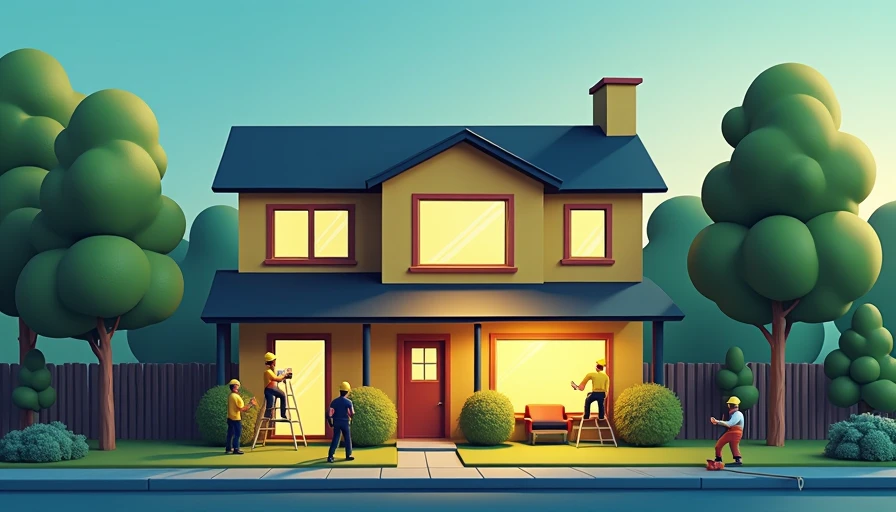
Over the years, I've inspected a lot of window installations, and a few mistakes pop up again and again. One big one is failing to properly flash the window. Flashing directs water away from the opening; without it, rain can run down the siding and into your wall cavity. Another issue is using expanding foam incorrectly—too much can bow the frame, too little leaves gaps. And I often see installers skip the step of leveling the window, which means it won't open or close smoothly and can create stress cracks in the glass. Even small errors in window installation can turn into big problems: drafts that raise your heating bill, condensation that rots wood, and pests that find their way inside. If you're paying for new windows, make sure the installer follows manufacturer guidelines and takes the time to do it right.
How to Choose the Right Windows and Installer
Not all windows are created equal, and not all contractors specialize in window installation. Start by looking for Energy Star-rated windows that match your climate zone. For older homes in cold regions like the Midwest, double- or triple-pane windows with low-E coating can cut heat loss significantly. But the best window in the world won't help if the installation is sloppy. Ask potential contractors how many years they've been doing window installation, request references, and check if they offer a warranty on their work. A good installer will include flashing, proper insulation, and careful caulking. They should also be willing to explain their process. If a contractor gives you a fast quote without looking at your existing windows, that's a red flag. Take your time choosing—your family's comfort depends on it.
The Role of Window Installation in Energy Efficiency and Comfort
In a typical older home, windows account for a big chunk of heat loss. Even well-made windows lose their efficiency if the installation is poor. Gaps around the frame allow warm air to escape in winter and cool air to leak out in summer. That means your furnace or AC runs longer, costing you money. A tight window installation seals those gaps, reducing drafts and making rooms feel more comfortable. I've measured temperature differences of 10 degrees or more between rooms with well-sealed windows and those without. Beyond comfort, better energy efficiency means lower utility bills—money you can put toward other home improvements. And if you're worried about old windows that might contain lead paint, replacing them with a professional window installation removes that hazard without the dust and mess of scraping.
What to Expect During a Professional Window Installation
If you're hiring a pro for window installation, here's what a typical job looks like. First, the crew removes the old window carefully to avoid damaging the surrounding wall. They inspect the opening for rot or damage—if they find soft wood, that needs to be addressed before the new window goes in. Then they apply flashing tape to the sill and sides, install the new window, and level it. After that, they fill gaps with low-expansion foam, add more flashing tape over the flanges, and finish with exterior caulk. Inside, they'll insulate around the frame and install trim. A thorough window installation takes time—usually an hour or two per window for a skilled crew. Don't rush the process. A good installer will clean up and make sure everything operates smoothly. When it's done, you should feel no drafts, see no light around the edges, and hear less outside noise. That's the sign of a job well done.
Remember, your house doesn't need to be perfect. But safe, dry, and comfortable? That starts with a smart window installation.

No feedback yet — submit the first.