I get the call about twice a month.
“Grant, we’re planning a kitchen renovation. We’ve saved $40,000. We’re meeting with a designer next week. But the basement always smells a little musty. Should we care?”
My answer is always the same, and it usually makes them pause: Don’t touch the kitchen until you’ve made friends with your basement.
I know that sounds backward. The kitchen is where you’ll spend your money, your weekends, and your dreams. The basement is where you store old paint cans and holiday decorations. Why would one have anything to do with the other?
Because in an old house, the basement isn’t a separate room. It’s the foundation of everything above it — literally and financially.
Let me show you what happens when you ignore the basement, and why understanding it first will save you from a kitchen renovation that ages five years in two.
The basement–kitchen connection nobody talks about

Your kitchen sits on top of a series of systems that run through or start in the basement:
Plumbing: kitchen sink drain, dishwasher drain, maybe a wet bar or ice maker line
Structure: floor joists, beams, posts, and the subfloor under your new tile
Moisture: basement humidity rises through the floor and into your kitchen cabinets
HVAC: heating and cooling ducts, or radiator pipes, that serve the kitchen
Insulation: the underside of the kitchen floor, often uninsulated or damp
If any of those systems are compromised, your beautiful new kitchen will start showing problems before you’ve made the first mortgage payment on the renovation.
Three basement problems that quietly destroy kitchens
1. High humidity or a damp basement
Here’s what I’ve seen more times than I can count: A family spends $30,000 on custom cabinets, quartz countertops, and a farmhouse sink. Six months later, they notice the cabinet doors are sticking. A year later, there’s a musty smell inside the sink base cabinet. Two years later, the plywood cabinet bottoms are soft and black.
They blame the cabinet maker. They blame the installer. They blame the wood.
I come over, walk down to the basement, and put my hand on the underside of the kitchen floor. It feels like a damp towel. The crawlspace or basement has no vapor barrier, and the humidity is wicking up through the subfloor and into the cabinets.
The fix should have been done before the first cabinet arrived: Seal the basement or crawlspace. Add a vapor barrier. Run a dehumidifier. The kitchen would have stayed dry for decades.
2. Rotting floor joists or rim joist
I inspected a house where the kitchen floor felt bouncy. The homeowner thought it needed a new subfloor. They were planning a full kitchen gut.
I went into the basement and found the rim joist (the board that sits on the foundation wall) was completely rotted from a long‑fixed gutter leak. The floor joists were soft at the ends. The kitchen floor wasn’t bouncy because of the subfloor. It was bouncy because the structure holding it up was failing.
We fixed the rim joist and sistered new joist sections. Cost: $3,000. Then they renovated the kitchen. Had they done the kitchen first, the new cabinets and tile would have cracked, sagged, and maybe even fallen through the floor.
3. Old plumbing that’s about to fail
Cast iron drain pipes under old houses don’t last forever. They rust from the inside out. By the time you see a leak, the pipe is often shot.
Imagine finishing a $50,000 kitchen, then six months later you hear dripping under the floor. A plumber cuts open your new ceiling or your new cabinet toe kick to replace a section of pipe. The repair costs $1,000, but matching the cabinet finish costs another $2,000, and you never feel quite the same about your kitchen.
Better to inspect your basement plumbing before you build around it. Camera the drain lines. Check the supply lines for corrosion. Then plan your kitchen around known problems, or fix them first.
What to do before you even measure for cabinets
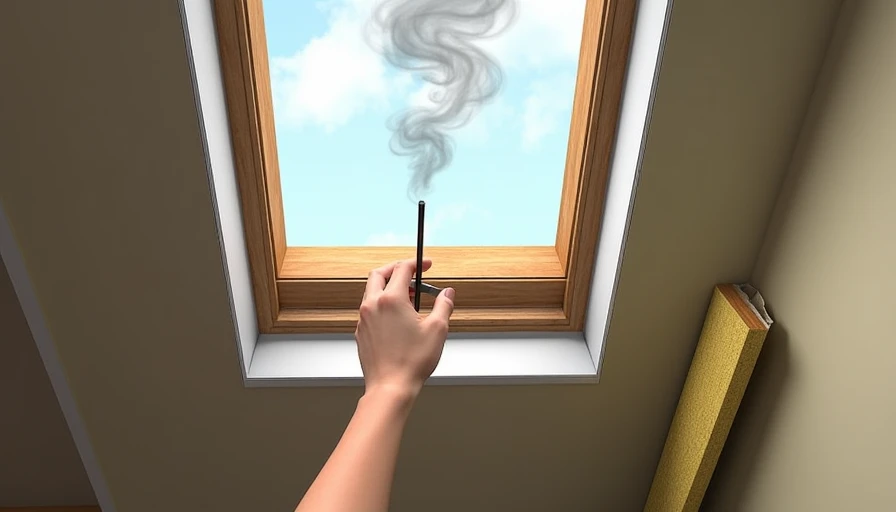
Here’s the pre‑renovation checklist I give every family. Do this before you talk to a designer, before you order samples, before you knock down a wall.
Step 1: Fix the moisture
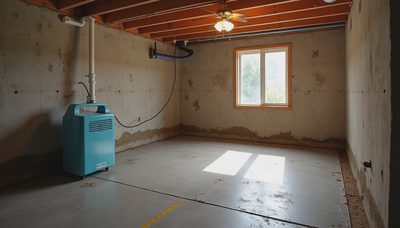
Run a dehumidifier in the basement for a few weeks. Set it to 50%. Does the basement smell improve? The first floor feel less clammy? Good.
Check for standing water, wet spots, or efflorescence on basement walls and floor.
If you have a dirt crawlspace, install a vapor barrier (10‑mil polyethylene) before doing anything else. This one step can save your kitchen cabinets.
Extend downspouts away from the house and fix gutters that leak. Water should drain at least 6 feet from the foundation.
Step 2: Inspect the structure
Look at the floor joists under the kitchen. Are they sagging? Soft? Any signs of rot or water staining? Push a screwdriver into the wood. If it sinks in easily, you have rot.
Check the rim joist (the board that runs along the foundation wall directly below the kitchen floor). Same test.
Check for insect damage (termites, carpenter ants). Look for mud tubes on foundation walls or tiny piles of sawdust.
Step 3: Evaluate the plumbing
Look at the drain pipe under the kitchen sink from the basement. Is it cast iron? Look for rust bulges or cracks. Tap it gently with a hammer. Does it sound solid or dull?
Run water in the kitchen sink while you’re in the basement. Can you hear drips? See any wet spots on the pipe or floor?
Consider a sewer scope if your house is more than 50 years old and you’ve never had one. A camera inspection costs $300‑500 and can save you from a post‑renovation disaster.
Step 4: Understand the HVAC
Where are the heating and cooling ducts or pipes that serve the kitchen? Are they in good shape? Leaky ducts in the basement can pull humid air into the kitchen.
If you have radiators, is the pipe insulation intact? Is there any corrosion on the pipes near the kitchen floor?
A real story: The $45,000 lesson
A couple I worked with had saved for years to redo their 1920s kitchen. They hired a great designer. They picked out beautiful tile. They were two weeks from demolition when they called me for a second opinion on a damp smell.
I went to their basement. The crawlspace was dirt, no vapor barrier. The floor joists under the kitchen had black mold on the bottoms. A cast iron drain pipe had a pinhole leak that was spraying a fine mist onto the subfloor.
We stopped the renovation. They were devastated.
We spent $4,000 fixing the crawlspace (vapor barrier, insulation, dehumidifier), $1,500 on drain pipe replacement, and $2,000 on treating the mold and sistering two joists. The kitchen renovation was delayed by three months.
They thanked me later. “If we hadn’t found that pipe leak,” the husband said, “it would have blown inside our new cabinet and ruined everything.”
That’s $7,500 in basement work that protected a $45,000 kitchen. The basement wasn’t the glamorous part. But it was the essential part.
Why contractors and designers won’t tell you this
Here’s a hard truth: Kitchen designers want to sell you a kitchen. Contractors want to build you a kitchen. Neither of them gets paid to walk down to your basement and poke at your rim joist.
It’s not their fault, necessarily. It’s just not their scope. They assume the house is sound. And in old houses, that assumption is dangerous.
You are the only one who can protect your investment. You don’t need to become a structural engineer. You just need to look, ask questions, and fix the basement stuff before you spend the big money upstairs.
A simple order of operations for old‑house kitchens
Basement assessment — moisture, structure, plumbing, pests. Fix any red flags.
Basement fixes — vapor barrier, dehumidifier, downspouts, structural repairs, plumbing repairs.
Kitchen design — now you know what you’re working with. Your floor is stable. Your pipes won’t leak. Your cabinets won’t mold.
Kitchen renovation — go enjoy your new countertops without a hidden worry.
What we did in our house
Our 1948 kitchen was dated but functional when we moved in. Megan wanted to renovate immediately. I asked for one year.
In that year, I:
Sealed the rim joist in the basement
Added a vapor barrier to the crawlspace
Ran a dehumidifier every summer
Replaced a section of cast iron drain line that was weeping
Sistered one floor joist that had a small sag
Cost: about $2,500 and a few weekends.
Then we renovated the kitchen. That was five years ago. The cabinets are still dry. The floor doesn’t bounce. The pipes haven’t leaked.
The basement isn’t pretty. But it’s dry and stable. And that’s why the kitchen still looks good.

No feedback yet — submit the first.