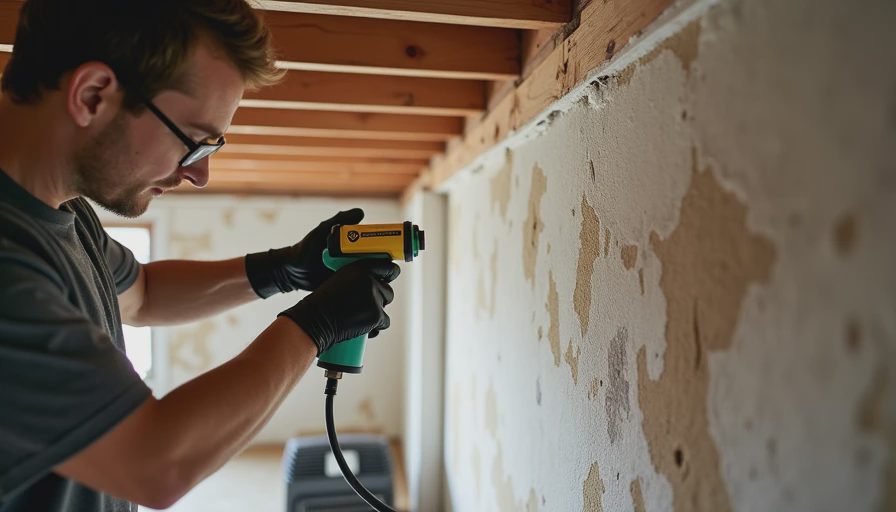
You’ve probably said it yourself. I know I have.
“It’s just the basement. It’s supposed to smell a little musty down there.”
“We don’t spend much time in the basement anyway.”
“As long as the kids aren’t playing down there, it’s fine.”
I used to think that way too. Then I learned something that changed how I see every old house:
Basement air is not a basement problem. It’s a whole‑house problem wearing a basement costume.
The damp, musty, sometimes slightly sweet air that lives in your basement doesn’t stay there. It can’t. Physics won’t let it. And once you understand where that air goes and what it does along the way, you’ll never look at your basement the same way again.
Let me walk you through the science, the symptoms, and the simple fixes. No engineering degree required.
The stack effect: your house as a chimney
Every house — new or old — acts like a chimney. Warm air rises. Cold air sinks. That’s the stack effect.
In winter, your heated house creates a powerful upward draft. Warm air escapes through the attic, through gaps around light fixtures, through recessed cans, through unsealed attic hatches, through the roof vents. As that warm air leaves, it has to be replaced. Where does the replacement air come from?
From the lowest part of your house. The basement.
Your basement is the intake valve for your whole house. Air is pulled up through floor joist gaps, through open chases around pipes and ducts, through the gap between the basement wall and the first‑floor rim joist, through cracks in the subfloor, even through electrical and plumbing penetrations.
That replacement air brings with it everything that’s in your basement: humidity, radon, mold spores, musty smells, dust mites, and if you have a fuel‑burning appliance that backdrafts, carbon monoxide.
So that musty basement smell you’ve tolerated? It’s not staying in the basement. It’s being pumped into your living room, your kitchen, your children’s bedrooms.
How damp air travels through your house (a tour)
Let me give you a specific example from an inspection I did last fall.
A family in a 1960s split‑level called me because their second floor always felt clammy. They ran a dehumidifier in the basement, but it didn’t seem to help. The husband said, “The basement feels dry enough. I don’t get it.”
I walked into their basement. It felt dry — because it was cold. Cold air holds less moisture. The relative humidity was 70%, but because the temperature was 58°F, it didn’t feel wet. Then I went upstairs. The first floor was 72°F. That same 70% relative humidity air, once warmed up, became air with a dew point that made the windows sweat.
I traced the path:
Basement source: A small crawlspace under the family room had a dirt floor with no vapor barrier. The soil was damp. The air in that crawlspace was nearly saturated.
The escape route: The crawlspace wasn’t sealed from the rest of the basement. Air moved freely through a gap around an HVAC duct.
The path up: The subfloor above the crawlspace had a dozen small holes around pipes. Cold, damp air was pulled up through those holes into the wall cavity.
The destination: The wall cavity had no insulation (typical for 1960s houses). The damp air traveled up inside the wall and entered the second floor through gaps around electrical outlets and baseboards.
That damp air was never supposed to reach the second floor. But physics didn’t care about the floor plan.
The three main highways for basement air
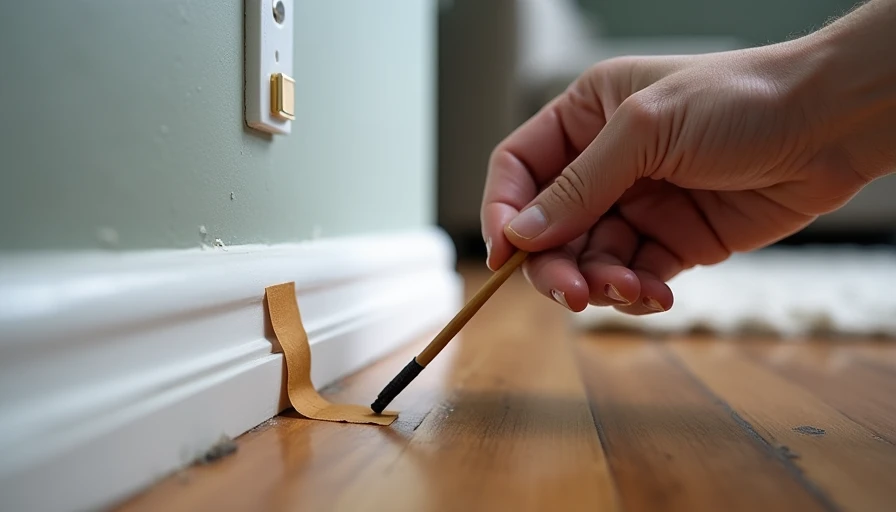
Basement air moves upstairs through three main pathways. Check your house for these.
Highway 1: The rim joist (most important)
The rim joist is the board that sits on top of your foundation wall, right where the basement ends and the first floor begins. It’s the transition between concrete and wood.
In most old houses, the rim joist is completely unsealed. You can stand in the basement, look up, and see daylight. Gaps between the rim joist and the foundation. Gaps between the rim joist and the subfloor. Holes drilled for wires and pipes that were never sealed.
What happens: Air is pulled up through every one of those gaps. It enters the wall cavities of your first floor. If your first floor has forced‑air ducts, that air can also be pulled directly into the return ducts and distributed everywhere.
How to check: On a cold, windy day, go into your basement and put your hand along the rim joist area. Feel cold air moving? That’s your house breathing — and it’s breathing basement air upstairs.
How to fix: Seal every gap with spray foam (fire‑block rated). This is a weekend DIY job. Cost: $200–400 for foam and a foam gun. The improvement in first‑floor comfort is immediate.
Highway 2: Open chases around pipes and ducts
Your house has vertical shafts that run from basement to attic. They were built for plumbing stacks, heating ducts, electrical conduits, and chimney flues. In many old houses, these chases are completely open. You can drop a marble from the attic and it would land in the basement.
What happens: The stack effect turns these chases into express elevators for basement air. Damp air rises straight up, bypassing your living space, but it also leaks out through every gap in the chase walls — into closets, behind bathtubs, inside kitchen cabinets.
How to check: In your basement, look at the area around the main plumbing stack. Is there an open gap around the pipe where it goes up into the floor? Can you see light from above? Now go to your attic and look at the same stack. Same gaps? That’s a direct air channel.
How to fix: In the basement, seal the gap around each pipe with spray foam or a pipe‑boot system. In the attic, do the same. You’re cutting off the elevator.
Highway 3: Return ducts and open registers
If you have forced‑air heating or cooling, your return ducts are like vacuum cleaners. They pull air from your living space, run it through the furnace, and push it back out.
But if your return ducts have leaks — and in old houses, they almost always do — they can pull air from the basement or crawlspace directly into the duct system.
What happens: A leaky return duct in the basement sucks in damp basement air. That air mixes with the air from your living room, gets heated or cooled, and then blows right back into your bedrooms. You’re essentially humidifying your whole house from below.
How to check: Turn on the furnace fan. Go into your basement and put your hand near every return duct seam and joint. Can you feel suction? That’s basement air being pulled into your ducts. Also look for dark dust streaks around duct connections — that’s evidence of long‑term leakage.
How to fix: Seal every duct seam with mastic (not duct tape). This is messy but cheap. Cost: $50–100 in mastic and a brush. If you have ductwork in a crawlspace, consider having it professionally sealed and insulated.
What damp basement air does to the rest of your house
Once basement air moves upstairs, it doesn’t just disappear. It causes real problems.
Musty smells in closets and bathrooms. Those rooms often have open chases behind walls that connect to the basement. The smell rises and gets trapped.
High humidity in summer. Your air conditioner works overtime trying to remove moisture that came from the basement, not from outside. That’s why your AC runs constantly but the house still feels clammy.
Cold floors in winter. Cold, damp basement air rises through the subfloor and makes your first‑floor floors cold. People blame the flooring material. It’s not the floor. It’s the air coming up through the gaps.
Mold behind furniture. Damp air can condense on cold exterior walls, especially behind couches and dressers where air doesn’t circulate. That leads to hidden mold.
High radon levels. Radon comes from the soil. It enters through the basement floor and walls. If you seal the basement air pathways, radon levels often drop without an expensive mitigation system.
Higher heating bills. When basement air rises into your living space, it’s usually colder than indoor air. Your furnace has to heat that cold air. You’re paying to heat air that came from your basement because you didn’t seal the rim joist.
The one test you should do right now
You don’t need a thermal camera or a blower door. Here’s a test that costs nothing and will tell you immediately if basement air is moving into your house.
The incense test:
Light a stick of incense (or a candle — blow it out so it smokes).
Go to your basement on a cool, windy day.
Hold the smoking stick near the rim joist, around pipes, around the basement door, around any electrical or plumbing penetrations through the subfloor.
Watch the smoke.
If the smoke moves upward or gets pulled into a gap, you’ve found an air leak. That’s basement air moving into your house.
Do the same test on your first floor near baseboards on exterior walls, near electrical outlets, near the bottom of interior doors. If the smoke moves toward the wall or under the door, that’s the stack effect pulling basement air into the room.
Now do the test near the top of your staircase. If the smoke moves up the stairs, even slowly, your basement air is literally walking up your stairs into your living room.
The fix is not complicated
You don’t need to finish your basement. You don’t need a new foundation. You don’t need a $10,000 interior drain tile system.
You need to break the air pathways.
Priority 1 (cheapest, biggest impact): Seal the rim joist. Spray foam every gap. This alone stops 60–80% of basement air migration. Cost: $200–400. Time: one weekend.
Priority 2: Seal the attic floor. If you stop air from leaving at the top, you reduce the suction at the bottom. Use spray foam and caulk around wires, pipes, chimneys, and light fixtures. Cost: $50–100. Time: one day.
Priority 3: Seal ductwork leaks. Mastic on all seams, especially in the basement and crawlspace. Cost: $50–100. Time: half a day.
Priority 4 (if you have a dirt crawlspace): Put down a 10‑mil vapor barrier. Seal it to the walls. This stops soil moisture from ever becoming basement air. Cost: $200–500. Time: weekend.
Priority 5: Run a dehumidifier in the basement during humid months (May through October). Set it to 50%. Even after sealing, a dehumidifier is good insurance. Cost: $250–400 plus electricity.
What we did in our basement
Our 1948 basement used to smell like old books and wet concrete. The first floor was always a few degrees colder than the thermostat setting. Megan kept a throw blanket on the couch year‑round.
I sealed the rim joist with spray foam one fall weekend. That took me six hours and three cans of foam. The next day, the first floor felt different. Not dramatically warmer, but less drafty. The musty smell faded over a few weeks.
Then I added a dehumidifier in the basement, set to 50%. I ran a drain hose to the floor drain so I didn’t have to empty the bucket.
Six months later, I went upstairs one morning and realized I couldn’t smell the basement anymore. I hadn’t noticed it leaving. I just noticed it was gone.
The cold floors? Still a little cool, but not like before. The throw blanket stayed folded on the arm of the couch instead of draped over Megan’s legs.
That was four years ago. We haven’t done anything else to the basement. No finishing. No waterproofing. Just sealing and dehumidifying.

No feedback yet — submit the first.