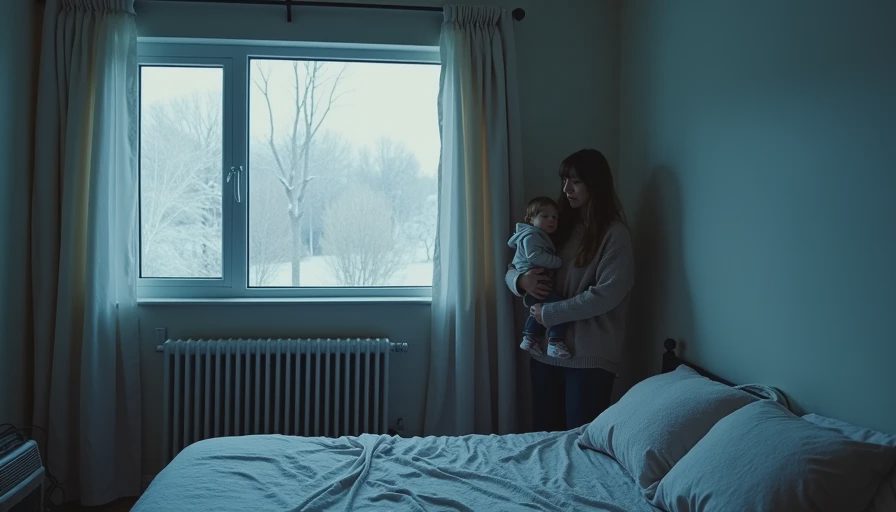
Every old house has one.
The bedroom above the garage. The corner office that faces north. The living room addition that never quite feels right from November to March.
You close the door. You crank the radiator or turn up the space heater. You tell yourself it’s just the way the house was built.
I used to think that way too.
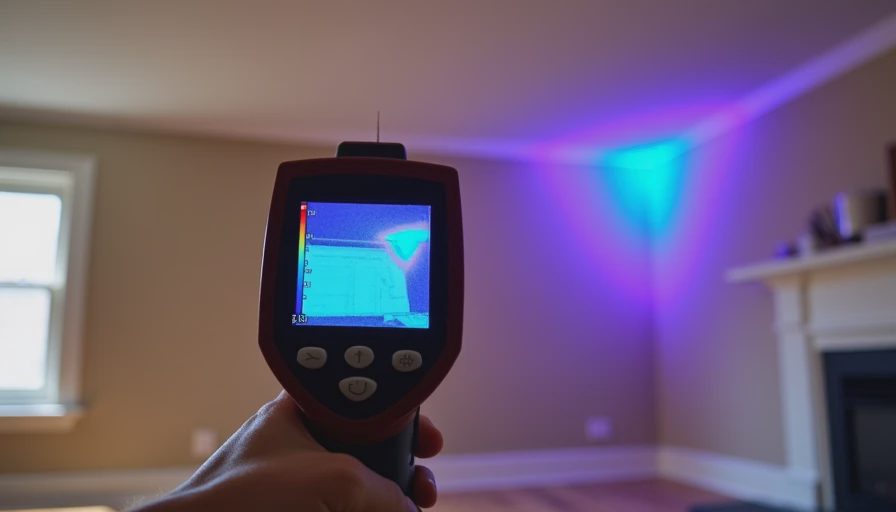
Then I started carrying a thermal camera around our 1948 house on cold January mornings. And I learned something that changed how I see every old house:
That one cold room isn’t the problem. It’s the messenger.
The mistake almost everyone makes
When a room is cold, most people do one of three things:
Buy a space heater and ignore it
Call an HVAC company to check the ductwork or radiator
Assume the room just “has bad karma” and live with it
None of these are wrong, exactly. But they all miss the bigger picture.
Here’s what I’ve learned from looking at hundreds of old houses with thermal imaging: a single cold room almost always points to a whole-house issue that’s just showing up worst in that one spot.
It’s like a fever. The fever isn’t the disease. It’s a signal. The cold room is your house’s fever.
Four things that cold room could be telling you
1. Your attic insulation is lying to you
This is the most common one I find.
You go into the attic. You see old blown-in insulation. You think, “Okay, we have insulation.”
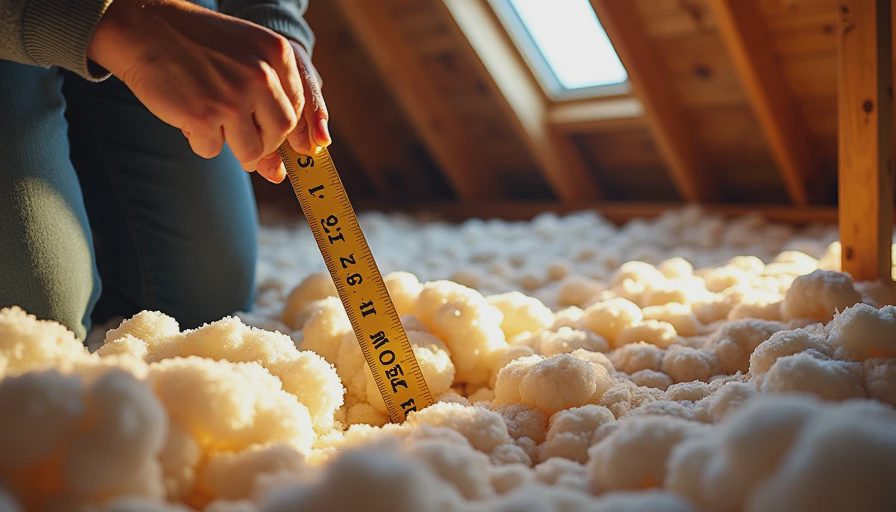
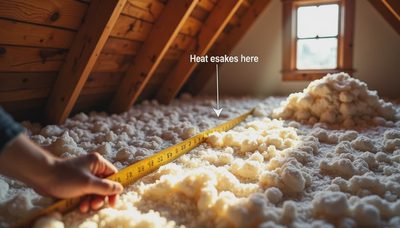
But insulation settles. It gets compressed. It gets moved aside for electrical work or a TV antenna. And when it’s only four inches deep instead of twelve, it’s not doing much.
Why does that make one room cold?
Because heat rises. If your attic insulation is thin or missing over a specific bedroom, that room will lose heat straight up — faster than any other room. The room isn’t cold because of its windows. It’s cold because the lid on the house is cracked right above it.
What to do: Next warm day, go up in the attic with a tape measure and a flashlight. Look right above the cold room. Is the insulation thinner there? Can you see the tops of the ceiling joists? If yes — add blown-in insulation across the whole attic, not just that spot. You’ll fix the cold room and lower your whole heating bill.
2. Your basement is pulling cold air up through the walls
This one surprises people.
Cold air is heavy. It sinks. So why would a cold room be connected to the basement?
Because old houses have open chases — gaps around pipes, ducts, and wires that run from the basement all the way up to the attic. In winter, the stack effect pulls cold basement air up into wall cavities and into your rooms.
The coldest room is often the one directly above the biggest basement air leak.
What to do: Go to your basement on a windy day. Put your hand near where pipes go up into the floor. Feel cold air dropping down? That’s actually warm house air leaving at the top, pulling basement air up. Seal those penetrations with spray foam or caulk. Then air-seal the attic floor. The cold room will warm up.
3. Your heating system is out of balance
This one’s not the house’s fault. It’s the ductwork’s fault — or the radiators’.
In an old forced-air system, the rooms closest to the furnace get all the heat. The far-away rooms (above the garage, back addition, far end of a ranch) get whatever’s left.
In a radiator system, the radiators closest to the boiler get hot first and hottest. The last radiator on the loop might be barely warm.
That one cold room is usually the farthest room from the heat source.
What to do:
For forced air: look for manual dampers in the ducts near the furnace. Close them partway for the hottest rooms. Open them fully for the cold room. You’re balancing the system, not adding heat.
For radiators: make sure the valves are fully open. Bleed air out of hot water radiators. Check if the radiator is sloped properly (should tilt slightly toward the valve).
4. Your windows aren’t the enemy you think they are
Everyone blames the windows.
“Single-pane windows? That’s why it’s freezing in here.”
But here’s what my thermal camera has shown me over and over: a cold room with bad windows is usually also a cold room with bad walls, a bad ceiling, and bad air sealing. The windows are just the most obvious symptom.
I’ve measured rooms with brand new triple-pane windows that were still cold. Why? Because the walls had no insulation and the rim joist in the basement was leaking air like a sieve.
What to do: Before you spend $15,000 on windows, do the cheap stuff first. Seal the rim joist in the basement. Add attic insulation. Air-seal electrical outlets on exterior walls (those $0.30 foam gaskets work). Put up heavy thermal curtains. If the room is still cold after all that, then talk to a window company.
The one test you can do right now
You don’t need a thermal camera. Here’s a test that costs nothing:
On a cold, windy day, go into that cold room. Close the door. Turn off any space heaters. Wait five minutes.
Then walk around slowly with your hand about an inch away from:
The window edges
The baseboards
The electrical outlets
The ceiling corners
The floor edges
Feel cold air moving? That’s an air leak. Mark each spot with a piece of painter’s tape.
Now go to the room next door. Does it have the same leaks? Probably not as many. That’s the clue. That cold room is leakier than the rest of the house.
The fix? A tube of caulk and a can of spray foam. You can seal 80% of those leaks in an afternoon for under $30.
What we did in our house
Our cold room was the northwest bedroom — the one Elsie uses now. It was always five degrees colder than the rest of the house. Megan thought it was the windows. I wasn’t so sure.
I borrowed a thermal camera from the library (yes, many libraries lend them). On a 20-degree morning, I walked around the room.
The windows were cold, sure. But the ceiling corner near the exterior wall? Bright blue on the camera. That meant missing attic insulation. And the baseboard on an exterior wall? Also blue. That meant no insulation in the wall cavity — just empty space with cold air dropping down from the attic.
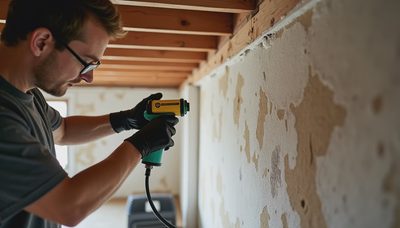
We added blown-in insulation to the attic above that room. I drilled small holes in the exterior wall cavity from the inside and blew in dense-pack cellulose (a two-day DIY project). We sealed the rim joist in the basement below that room.
The room still isn’t the warmest in the house. But it’s within two degrees now. And Elsie doesn’t complain anymore.
Total cost: about $400. New windows would have been $4,000.

No feedback yet — submit the first.