When I bought my 1948 house in Pittsburgh, I knew the attic would need attention. The previous owner had added insulation but never checked the ventilation. That is a common mistake. Proper attic ventilation keeps moisture out, prevents ice dams, and helps your HVAC system work less. If you own an older home near the East Coast or Midwest, poor attic ventilation can lead to mold, rot, and high energy bills. You do not need a perfect house. But you need an attic that breathes.
Why Attic Ventilation Matters for Your Family’s Health and Home
Moisture is the biggest enemy in an attic. Every day, warm air from your living spaces rises and carries water vapor into the attic cavity. Without good ventilation, that vapor condenses on cold roof sheathing and rafters. Over time, that leads to mold growth and wood rot. For families with young kids, mold spores can aggravate asthma and allergies. I have seen attics where the sheathing was black with mold because the ridge vent was blocked. In winter, that moisture freezes and creates ice dams along the eaves. Ice dams push water under shingles and into your walls. That is a repair that runs into thousands of dollars. Good ventilation keeps the attic temperature closer to the outside, so snow melts evenly and ice dams don’t form. It also helps your air conditioner in summer by venting out superheated air. If your attic stays cool in summer and dry in winter, you are on the right track.
Signs Your Attic Ventilation Isn't Working
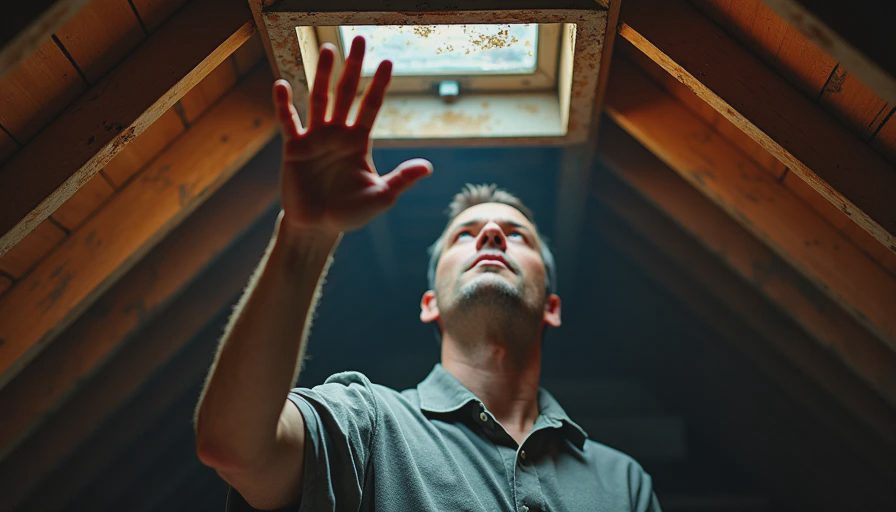
You can often spot trouble without climbing up there. On a cold morning, look at the snow on your roof. If it melts unevenly or stays intact over the ridge, that is a clue. Frost on the underside of the roof deck, visible from the attic access, means moisture is freezing. A musty smell on a hot summer day also points to stagnant air. Check your soffit vents from the outside. Are they covered by paint, debris, or rodent nests? Inside the attic, see if insulation is blocking the airflow from the soffits. Baffles should be installed to keep the path clear. When attic ventilation is blocked, you will also notice higher cooling bills because the attic heat seeps into the living space. If you own an older home, pay attention to these signs early. Waiting too long can turn a simple vent-clearing job into a full roof replacement.
How to Improve Attic Ventilation Without Overcomplicating It
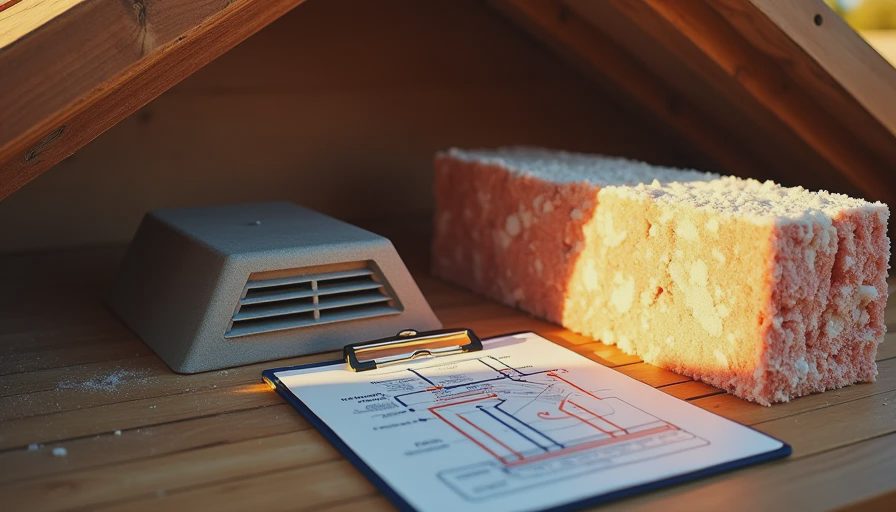
The basic rule is to have balanced intake and exhaust. Intake comes from soffit vents under the eaves, and exhaust comes from ridge vents or roof vents. Aim for one square foot of vent area for every 300 square feet of attic floor. If your attic has a ridge vent, make sure the soffits are open. If you have gable vents, be careful: mixing them with a ridge vent can short-circuit the airflow, pulling air in from the gables instead of the soffits. If your attic has old knob-and-tube wiring, keep insulation away from it and add ventilation carefully. Improving attic ventilation does not require a major renovation. Start by unblocking existing vents. Install baffles where needed. If you have no vents, adding a ridge vent and soffit vents is a weekend project for a handy homeowner or a quick job for a roofer. The cost is modest compared to the damage poor ventilation can cause.
How to Prioritize Attic Ventilation Among Other Old House Repairs
In the repair order for an older home, start with what is unsafe, then what is wet, then what is expensive to ignore. Attic ventilation falls under both wet and expensive. If you already have mold or ice dams, bump attic ventilation up the list. It is not as urgent as lead paint or asbestos, but it can affect your family’s breathing comfort and your home’s structure. If your budget is tight, at least clear the soffit vents and make sure the ridge vent is not blocked. That alone can make a big difference. For homes in climates like Pittsburgh, where we get freeze-thaw cycles and humidity, attic ventilation is a no-brainer. It protects your roof, your insulation, and your indoor air quality. You do not need a perfect house, but you need an attic that can breathe. That small investment pays off every season.
A Simple Attic Ventilation Checklist for Homeowners
If you are not sure where to start, run through these five checks in order. First, look at your roof from the outside: can you see ridge vents or roof vents? If not, your attic relies on gable vents or soffit vents alone, which may not be enough. Second, go into the attic on a sunny day and look for daylight coming through the soffits. If you see light, the soffit vents are open; if the space is dark, they are likely blocked. Third, check the insulation near the eaves. It should stop short of the soffit vents so air can flow. Baffles are inexpensive and easy to install if the insulation is too close. Fourth, feel the airflow at the ridge vent on a windy day. Hold a tissue near the ridge vent inside the attic — if it flutters, the exhaust is working. Fifth, measure your total vent area. Add up the net free area of all soffit vents and compare to the rule of 1 square foot per 300 square feet of attic floor. If you are short, consider adding more soffit vents or a ridge vent. These steps take an hour or two but can save you thousands in roof repairs and energy waste. And if you discover significant blockage or mold, call a roofer who specializes in older homes. They can recommend the right combination of vents for your roof slope and local climate. Remember that attic ventilation is not a set-it-and-forget-it feature — it works best when you inspect it annually, especially after heavy storms or snow.





No feedback yet — submit the first.