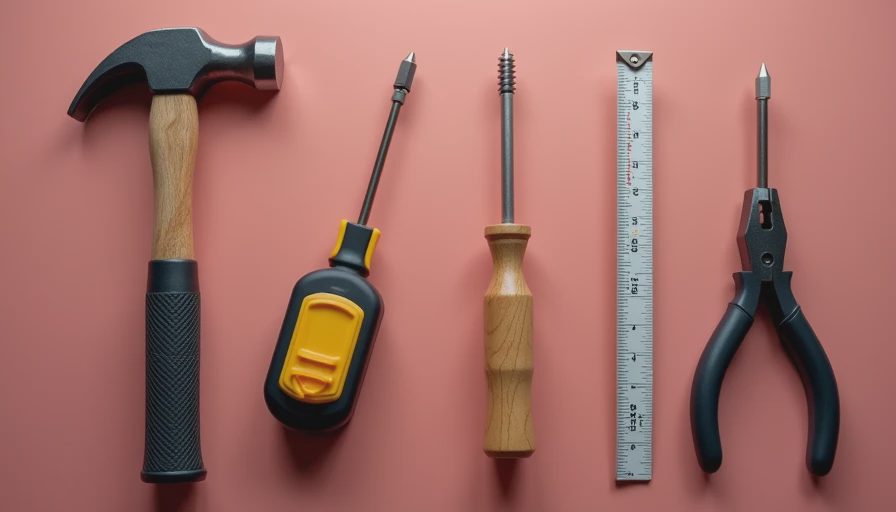
If you live in an older home like mine—a 1948 suburban house near Pittsburgh—you quickly learn that basic tools for homeowners aren't just about hanging pictures or tightening a loose doorknob. They're about spotting problems before they turn into expensive, health-related repairs. Over the years, I've narrowed down my toolkit to a handful of items that help me catch moisture, drafts, lead paint, and other hidden risks without needing a contractor's license. Here's what I actually use and why.
Why Basic Tools Matter for Old Houses
Old houses hide things. Flaking paint might be lead. A damp corner might mean a slow leak that invites mold. Drafty windows waste heating dollars every winter. The right tools help you separate urgent issues from cosmetic annoyances. You don't need a workshop full of power tools. But a few smart investments—under $100 total—will let you check your home's health yourself, so you know when to call a pro and when you can handle it.
The Must-Have Safety Tools
Start with what protects your family. A **lead paint test kit** (like the 3M LeadCheck swabs) is essential if your home was built before 1978. I keep a box on hand because kids put everything in their mouths. A **carbon monoxide detector** is non-negotiable—older furnaces and water heaters can leak CO. And a **radon test kit** (short-term or long-term) costs about $15 and could save your lungs. These are the first basic tools for homeowners who take indoor air quality seriously.
Next, a **moisture meter**. I use a pin-type model for about $30. It tells me if a wall or floorboard is damp before I see visible water. That's how I caught a small leak behind our basement paneling last year—no mold, just damp. That early warning saved me hundreds in repairs.
Tools for Moisture and Drafts
Moisture is the enemy of old houses. A **dehumidifier** in the basement is a tool, but for diagnosing, a **hygrometer** (humidity monitor) is cheap and helpful. I put one in each zone of the house to track humidity changes. For drafts, an **incense stick** or a thin plastic bag works: hold it near windows and doors on a breezy day. But I prefer a **thermal leak detector**—a simple hand-held device that shows temperature differences. It's one of the basic tools for homeowners who want to lower heating bills without guessing. I found massive air leaks around our attic hatch that way.
A Few More Worthwhile Additions
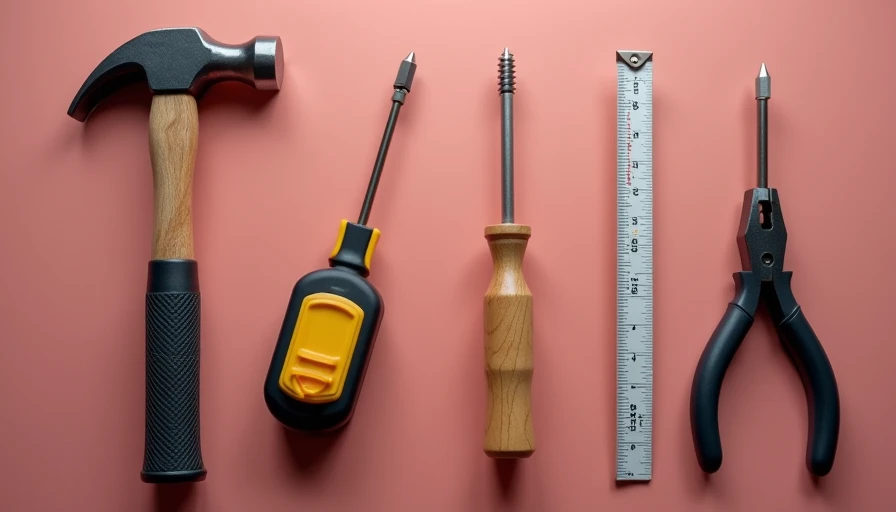
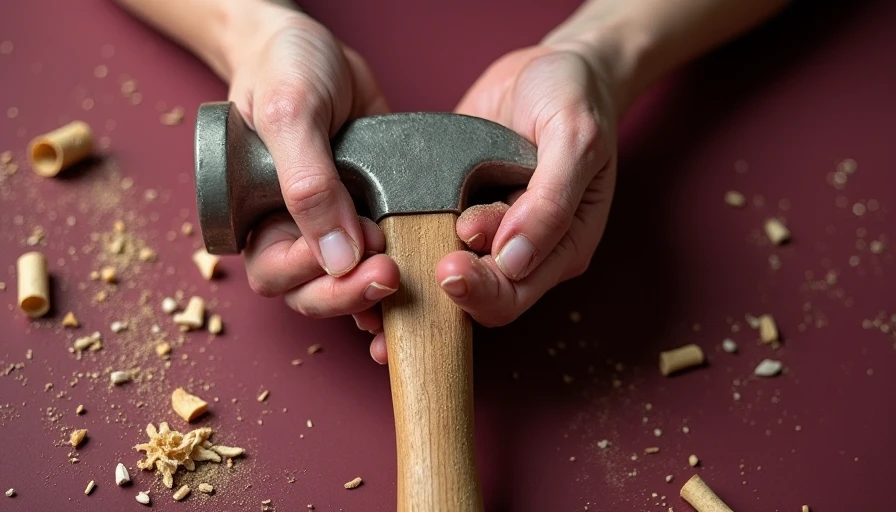
A **flashlight** with a bright LED isn't sexy, but when you're peeking into a crawlspace or attic, it's essential. I also keep a **pry bar** and a **hammer** for opening up suspicious areas—like when I need to check pipe wrap for asbestos or look behind a baseboard for moisture damage. A **multimeter** (for electrical testing) is optional unless you're comfortable with wiring, but I recommend it if you plan to replace outlets or switches. None of these are exotic, but they round out the basic tools for homeowners who want to keep their old house safe and efficient.
How to Prioritize Your Tool Purchases
You don't need everything at once. Start with safety: lead test kit, CO detector, radon test. Next, get the moisture meter and hygrometer to monitor dampness. Then add draft-finding tools if your winter bills are high. Pry bar and hammer are cheap—you probably already have them. If your house was built before 1980, invest in an asbestos test kit (mail-in) for any suspect pipe insulation or floor tiles. These basic tools for homeowners give you confidence and control. You don't have to fear your house—just know what to look for.
A Case Study: Catching a Leak with These Basic Tools
Last spring, I noticed a musty smell in our living room after heavy rain. Instead of calling a plumber right away, I grabbed my moisture meter and checked the baseboard near the chimney. The reading spiked to 35%—well above the 15% norm for dry wood. I then used the thermal leak detector to scan the wall and found a cool spot. A quick pry with the pry bar revealed damp insulation and a tiny gap in the chimney flashing. I sealed it with caulk and a metal patch, spending about $12. A few weeks later, the meter showed normal levels. Without these basic tools for homeowners, I would have either ignored the smell (bad for air quality) or paid a contractor $300 to diagnose and fix it. That one use paid for the entire toolkit.
But the story doesn't end there. After the fix, I used a hygrometer to monitor humidity in that room for the next month. It stayed between 45-55%, confirming the leak was gone. I also did a radon test just to be safe—results were fine. These basic tools for homeowners aren't expensive, but they give you the ability to act fast on small problems. If I had waited, mold could have grown behind the wall, leading to thousands in remediation. That's the real value: peace of mind and early detection.
Remember: you don't need a perfect house. You need a house that is safe, dry, and honest. The tools above help you get there without a contractor's help on every little thing. Start with what is unsafe, then what is wet, then what is expensive to ignore.

No feedback yet — submit the first.