
If you own an older home, you know the constant battle against moisture. One of the most common questions I hear from homeowners is how to keep wood from rotting. Whether it's window sills, porch columns, or basement joists, rot can sneak up on you if you're not paying attention. The good news is that with a little know-how and some regular maintenance, you can stop rot before it starts. I've seen too many families pour money into replacing rotted trim when a few simple steps could have saved them the headache. Let's walk through what actually works.
Why Wood Rot Happens
Wood rot is caused by fungi that thrive in damp, oxygen-poor environments. When wood stays wet for prolonged periods—typically above 20% moisture content—the spores that are always present in the air start to grow. This is why you see rot most often in places where water collects: corners of decks, fence posts in soil, window sashes, and anywhere wood touches concrete. One of the first things I check in an old house is the wood-to-ground contact. If you have wood siding or trim within six inches of the soil, you're asking for trouble.

Start With the Source of Moisture
The most effective way to know how to keep wood from rotting is to eliminate the water source. Check your gutters and downspouts—are they directing water away from the house? A single clogged gutter can saturate a wall for months. Next, look at grading around the foundation. The ground should slope away from the house at least six inches over ten feet. I once worked with a family whose entire porch floor was rotted because the flower bed next to it held water like a sponge. We regraded the bed and installed a French drain, and the problem never came back.
Choose the Right Wood From the Start
Not all wood is created equal. If you're replacing a rotted post or building new outdoor structures, use naturally rot-resistant species like cedar, redwood, or black locust. Pressure-treated lumber is another solid choice for ground contact. I prefer to use treated wood for anything that will touch soil or concrete. But remember: even pressure-treated wood can rot if water is trapped. Always seal end cuts and drill holes with a wood preservative.
Sealants and Preservatives That Work
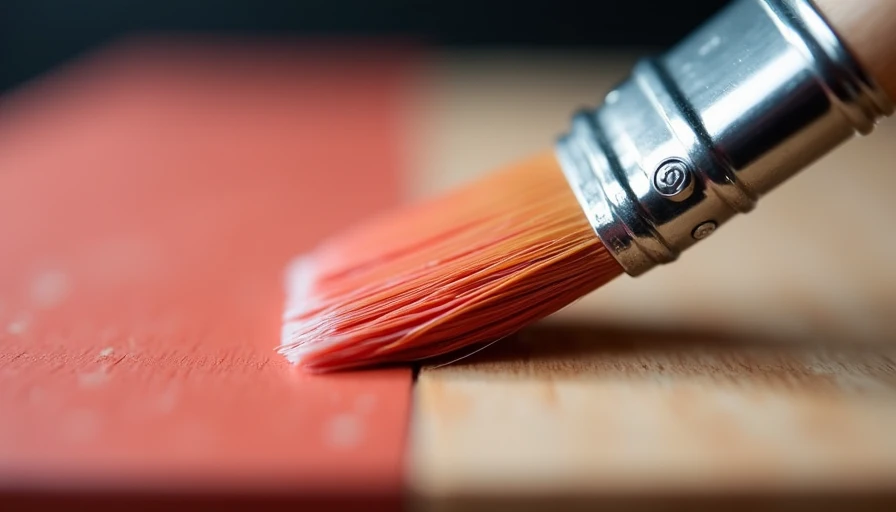
Once you've addressed moisture, the next piece of how to keep wood from rotting is a good sealant. For bare wood, I apply a penetrating epoxy sealer like Smith's CPES or a copper-based wood preservative. Then I top it with a high-quality exterior paint or stain. Don't skip the primer—it's your first line of defense. I've used Benjamin Moore's Arborcoat on my own porch with great results. For fence posts, a post saver sleeve or a dip treatment can add years of life. Expect to spend about $15 to $30 per gallon for a decent sealer, and plan to reapply every two to three years.
Keep Wood Clean and Dry
Another simple step in how to keep wood from rotting is keeping it clean. Dirt and debris hold moisture against the wood. Sweep your deck regularly, clean out debris from between deck boards, and trim back vegetation that touches wood. I also recommend checking for standing water after heavy rain—if you see puddles on a flat railing or porch floor, you have a drainage problem. Install a slight slope or add drip caps to redirect water.
Treat Rot Early
If you find soft or spongy wood, act fast. Use a screwdriver to probe the area; if it sinks in more than a quarter inch, you have rot. For small spots, you can dig out the rot, apply a wood hardener (like Minwax Wood Hardener), and fill with an epoxy filler. For larger areas, it's often better to replace the piece entirely. I always recommend replacing rather than patching when the rot extends into structural elements. The cost of a new piece of lumber is cheap compared to fixing a collapsed porch.
Don't Forget About Interior Wood
Rot isn't just an outdoor problem. In basements and crawl spaces, high humidity can cause wood rot on floor joists and sill plates. Use a dehumidifier to keep relative humidity below 60%. I've seen homes where a $200 dehumidifier saved thousands in structural repairs. Also, make sure your crawl space has proper ventilation and a vapor barrier on the ground. If you have a musty smell in your basement, that's a clue that moisture is rotting wood somewhere.
A Final Word
Old houses are wonderful, but they demand a bit of extra attention when it comes to moisture. Learning how to keep wood from rotting doesn't require a contractor or a huge budget—it's about being proactive. Walk your property twice a year, in spring and fall, and look for the signs: peeling paint, dark stains, soft wood. Catch it early, and your home will stay safe and solid for decades. You do not need a perfect house. You need a house that is dry, honest, and well-maintained.




No feedback yet — submit the first.