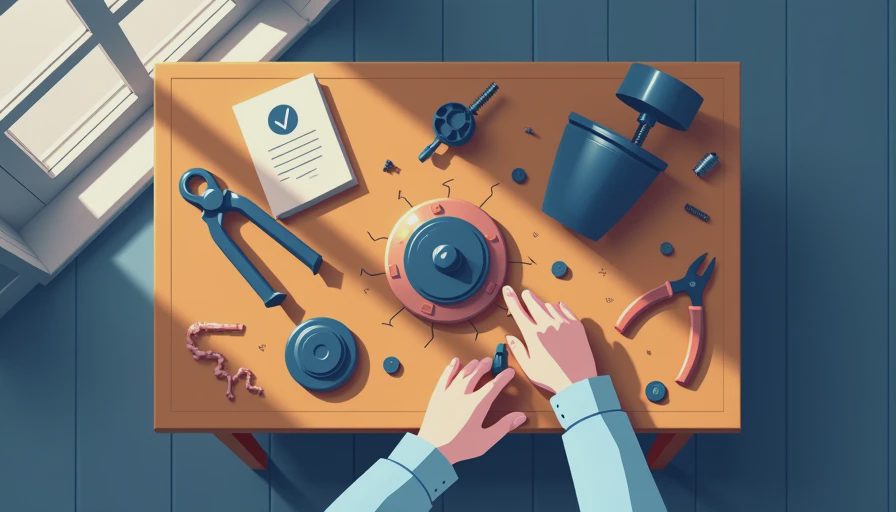
I remember the day we bought our 1948 house. The realtor handed us the keys, and I walked around testing every lock. Most of them were original—brass-plated, worn out, and about as secure as a piece of string. That afternoon, I started learning about door lock components the hard way. If you live in an older home like ours, your door lock components might be the weakest link in your family's safety. Let's fix that.
Understanding the Core Door Lock Components
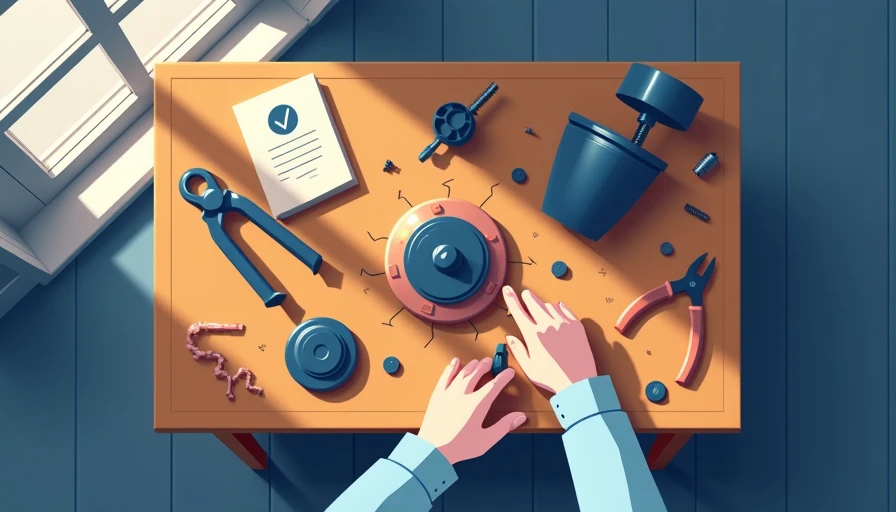
When I talk to homeowners, they often think of a lock as one piece. In reality, a standard door lock is a system of several **door lock components** working together. The most obvious is the cylinder or keyhole—where you insert the key. Inside the cylinder are pins and springs that align when you use the right key, allowing the bolt to move. That bolt is the metal piece that slides from the lock into the door frame. On a deadbolt, the bolt is thick and hard to force back. On a basic key-in-knob lock, the bolt is often smaller and more vulnerable.
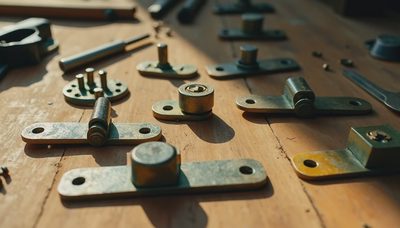
Another critical piece is the strike plate—the metal plate on the door frame with a hole for the bolt. In many old houses, the strike plate is held in by short screws that barely reach the framing. That's a problem. I've seen a strong kick pop a strike plate right off. The screws, the latch, and the faceplate all matter. Even the finish screws on the exterior can be a clue: if they're rusted , it's time to look closer.
Why Door Lock Components Matter for Family Safety
Here's the thing: your front door is the most common entry point for a burglar. If the **door lock components** are weak, it doesn't matter how many cameras you have. I've done hundreds of home inspections, and I can't tell you how many times I've seen a solid door with a lock that might as well be a toy. A lot of older homes still have those cheap key-in-knob locks that can be opened with a screwdriver. Even a basic deadbolt from forty years ago may have worn pins that make it easy to pick.
For families with young kids, security isn't just about break-ins. It's about knowing the door stays locked when you're home at night. It's about teaching your kids that the deadbolt is the first line of defense. When Elsie and Nolan started understanding doors, we made sure every exterior lock was reliable. We upgraded to a Schlage B60N deadbolt because it uses Grade 1 **door lock components**—the highest residential security rating. That cost about $25 back then, but it gave us peace of mind.
Common Door Lock Components That Need Attention
You might be surprised how many parts of a lock can fail. Start with the latch. If your door doesn't close smoothly, the latch might be misaligned with the strike plate. That's often due to house settling—very common in older homes. Next, check the deadbolt itself. Does it slide in and out without sticking? If it's sticky, the bolt could be rubbing against the strike plate, which means over time it'll wear down. Also look at the screws. Most lock sets come with tiny screws that grip only the door edge. I recommend replacing them with 3-inch screws that go into the door's framing. That upgrade takes ten minutes and makes a huge difference.
Another component people forget is the door hinge. If the hinges are loose, the door can sag and cause the lock to not line up properly. In our house, I had to shave a little off the bottom of the door because the old hinge screws were stripped. That's a simple fix, but it affects how the **door lock components** function.

When to Replace or Upgrade Your Door Lock Components
You don't need a complete overhaul every time. Sometimes just replacing the strike plate and screws is enough. But if your **door lock components** are more than 20 years old, it's worth considering a new lock set. Look for ANSI Grade 1 or Grade 2 ratings. Grade 2 is fine for most homes. Grade 1 is overkill but nice. Brands like Schlage, Kwikset, and Yale all offer affordable options. I've installed Kwikset 909 deadbolts in a few rentals , and they hold up well.
If you're in a humid basement or coastal area, check for rust. Rusted components can seize up. I had a client in Massachusetts whose side door lock froze solid during a winter storm. She couldn't get out. That's a safety issue. Also, if your key is getting hard to turn, it's often the cylinder pins. You can replace just the cylinder for around $15, or rekey the whole lock. That's cheaper than buying a new lock.
A Simple Checklist for Evaluating Your Door Lock Components
Here's what you can do this weekend. Walk to each exterior door and look at the strike plate. Are the screws long? If not, swap them for 3-inch deck screws. Then test the deadbolt. Does it extend fully? If it's short, the bolt might not be engaging the strike plate deep enough. Try the key—any resistance? If yes, lubricate with graphite powder, not oil. Oil will attract dust. Finally, check the condition of the screw heads on the interior side. If they're stripped, it's easier for someone to force the lock. You can replace those screws too.
Final Thoughts on Door Lock Components
An old house doesn't have to be a drafty, unsafe house. Start with what's most immediate: the **door lock components** that keep your family in and trouble out. You don't need a perfect house. You need a house that is safe, dry, and honest. And sometimes, honesty means admitting your front door lock is just for show. Upgrade the parts that matter, and sleep better tonight.

No feedback yet — submit the first.