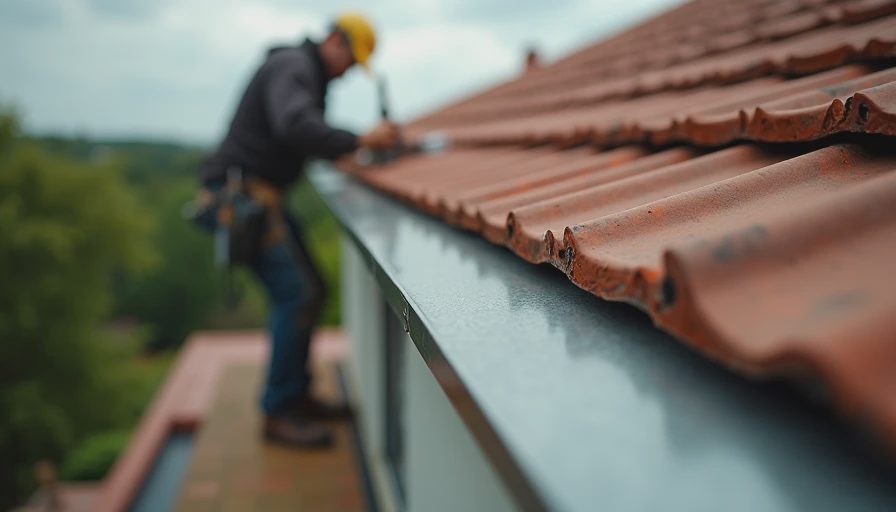
If your roof is over twenty years old, there's one component you should check before the next big storm: the edge flashing. Roof edge flashing is the metal or vinyl trim installed along the edges of your roof—typically at the eaves and rakes—to direct water away from the underlying wood and into the gutters. When that **edge flashing roof** system starts to fail, water can seep behind it and cause rot, mold, and damage to your home's structure. In this guide, I'll explain why edge flashing matters, how to spot trouble, and what to do about it.
What Is Edge Flashing and Why Does It Matter?
Edge flashing, often called drip edge, is a narrow strip of metal (usually galvanized steel, aluminum, or copper) installed at the edges of a roof. Its job is simple: keep water from getting under the shingles and onto the roof deck. In older homes, especially those built before the 1990s, the original flashing might be missing, rusted, or improperly installed. Without effective flashing, water can wick up under the shingles during rain or snowmelt, leading to wood rot, mold growth, and even interior ceiling stains.
For families living in older houses, a failing **edge flashing roof** system is more than a cosmetic issue. Moisture intrusion can compromise insulation, lower indoor air quality, and create conditions for pests. I've seen attics where a lack of proper drip edge allowed water to saturate the roof sheathing for years, eventually requiring a full deck replacement. Early attention to edge flashing is one of the most cost-effective ways to extend the life of your roof.
Signs Your Edge Flashing Is Failing
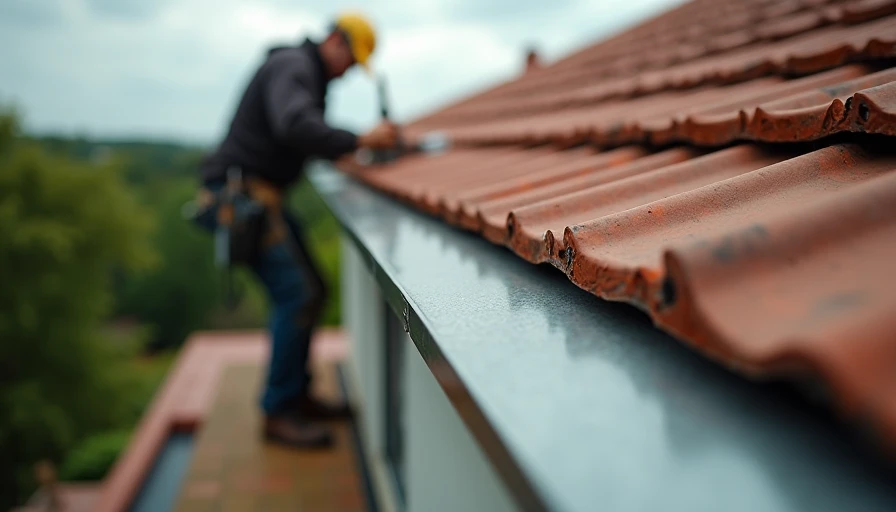
How do you know if your edge flashing needs attention? Look for these common warning signs:
- **Visible rust or corrosion:** Check the metal strips along the roof edges. If they're flaking or pitting, they may not seal properly.
- **Missing sections:** After a storm, inspect your roofline. Loose or absent flashing is a red flag.
- **Water stains on fascia or soffit:** Brown or yellow streaks on the wood below the roofline often indicate water is seeping behind the flashing.
- **Peeling paint or rot on exterior trim:** If the wood near the roof edge is soft or blistering, moisture is making its way in.
- **Gutters pulling away:** Sometimes the flashing is attached to the gutter apron; if the gutters sag, the flashing may be compromised too.
Don't ignore these signs. A small repair now can prevent a expensive roof rebuild later. In my own 1948 house, I caught a rusted section of **edge flashing roof** just in time—the rotting fascia board underneath was only six inches long. By replacing the flashing and that board, I avoided a much bigger issue.
How to Prioritize Edge Flashing Repairs for Your Older Home
Not every roofing problem is an emergency. Here's how I help homeowners decide what to do first:
- **Check for active leaks.** If you see water inside your attic or ceilings during rain, address the flashing immediately. That's urgent.
- **Inspect the condition of the flashing itself.** Surface rust without holes can often be cleaned and painted with a metal primer. But if the metal is brittle or has holes, replacement is the only option.
- **Consider your roof's age.** If your roof is near the end of its life (20+ years for asphalt shingles), it may make sense to replace the flashing as part of a full reroofing project. But if the roof is still in good shape, a focused flashing repair is very cost-effective.
- **Look at the surrounding wood.** If the fascia, soffit, or roof deck are already damaged, you'll want to repair those before or at the same time as the flashing. Moisture behind the flashing won't stop just because you add new metal.
Remember: You do not need a perfect house. You need a house that is safe, dry, and honest. That means tackling the worst problems first. A properly functioning **edge flashing roof** system is a key part of keeping your home dry.

Steps to Replace or Repair Edge Flashing
If you're comfortable on a ladder and have basic tools, you can replace edge flashing yourself. But always prioritize safety—roof work is risky. Here's the general process:
- **Remove old flashing:** Pry up any nails or screws holding the existing drip edge. Be careful not to damage shingles.
- **Inspect the roof deck:** Look for rot or water staining on the wood. Replace any damaged sections before installing new flashing.
- **Cut new flashing to length:** Use tin snips for custom fits at corners and ends. Overlap pieces by at least 2 inches.
- **Install under the underlayment:** For best results, the flashing should sit on top of the roof deck but under the felt or synthetic underlayment. This creates a waterproof barrier.
- **Fasten securely:** Use roofing nails or screws with rubber washers, spaced about 12 inches apart. Avoid over-tightening, which can bend the metal.
- **Seal seams and joints:** Apply a high-quality roofing sealant where pieces meet and at fastener heads.
If this sounds too complex or your roof is steep, hire a licensed roofer. A proper installation is worth the cost. A half-baked DIY job on **edge flashing roof** repairs can lead to even bigger leaks.
Protecting Your Family and Your Investment
Your roof is one of the most important parts of your home's envelope. A small investment in maintaining your edge flashing pays off in fewer leaks, lower energy bills (dry insulation works better), and peace of mind during heavy rain. For families with young kids, knowing the home is dry and mold-free is priceless.
Don't wait until water stains appear on your ceiling or you smell musty odors in the attic. Make a habit of inspecting your **edge flashing roof** every spring and fall. If you see issues, act early. Your house—and your budget—will thank you.
Start with what is unsafe, then what is wet, then what is expensive to ignore. Edge flashing falls into the second category. Fix it right, and you can focus on other projects without worrying about what the rain is doing to your roof edges.



No feedback yet — submit the first.