
If you own an older home and you're thinking about a metal roof—or you already have one—you need to understand **metal roof drip edge flashing**. This small but critical component directs rainwater away from your roof deck and fascia, preventing rot, ice dams, and expensive interior damage. Without it, even the best metal roof can leak. In this guide, I'll explain what drip edge flashing is, why it matters for older houses, and how to make sure yours is installed correctly.
What Is Metal Roof Drip Edge Flashing?
**Metal roof drip edge flashing** is a strip of metal—usually aluminum, galvanized steel, or copper—installed along the edges of your roof, under the shingles or metal panels and over the fascia board. Its job is simple: guide water into the gutters and away from the roof deck. On a metal roof, it also prevents wind-driven rain from getting under the panels. For older homes, where roof decks may have settled or wood has softened over decades, this flashing is your first line of defense against moisture intrusion.
Drip edge comes in different profiles: the standard L-shape (with a 1-inch to 3-inch drip) works for most roofs, but metal roofs often require a taller or deeper drip edge to match the panel profile. Some manufacturers, like GAF or CertainTeed, offer specific drip edge for standing seam or corrugated metal. Don't assume one size fits all—match the flashing to your roof type.

Why It Matters for Older Homes
Old houses have quirks. Roof lines may not be perfectly square, fascia boards can be warped, and the original roofing might have been installed without any drip edge at all. If you're putting a metal roof on a house built before 1980, you're likely dealing with dimensional changes that make water diversion even more critical. **Metal roof drip edge flashing** solves two common problems:
- **Prevents rot**: Water that runs down the roof edge soaks into the fascia and soffit. Over time, that leads to wood rot and invites pests like carpenter ants.
- **Stops ice dams**: In cold climates, ice dams form when snow melts and refreezes at the eaves. Proper drip edge allows water to drip into the gutter instead of pooling under the roof edge.
I've seen too many homeowners spend thousands on a new metal roof only to have water stains appear on interior walls because the drip edge was missing or too short. Start with what keeps water out, then worry about aesthetics.
How to Choose the Right Drip Edge for a Metal Roof
Not all drip edge is created equal. For a metal roof, you need a drip edge that extends below the roof deck far enough to clear the fascia. A common rule: the vertical leg should be at least 1.5 inches, and the horizontal leg should match the roof pitch. Also, look for material that matches or is compatible with your roofing metal to avoid galvanic corrosion. For example, pair aluminum flashing with aluminum panels, or use stainless steel if mixing metals.
Here's what to check before buying:
- **Gauge**: Thicker metal (24-gauge or heavier) holds its shape longer on metal roofs.
- **Profile**: Ask for "metal roof drip edge" specifically—standard shingle drip edge may not have a long enough drip.
- **Finish**: Pre-painted or bare? Pre-painted matches the roof color but can scratch. Bare metal needs to be painted after installation to prevent rust.
If your house is older, consider copper drip edge. It's more expensive, but it lasts decades and adds a traditional look that suits many pre-war homes.
Installation Tips (and When to Call a Pro)
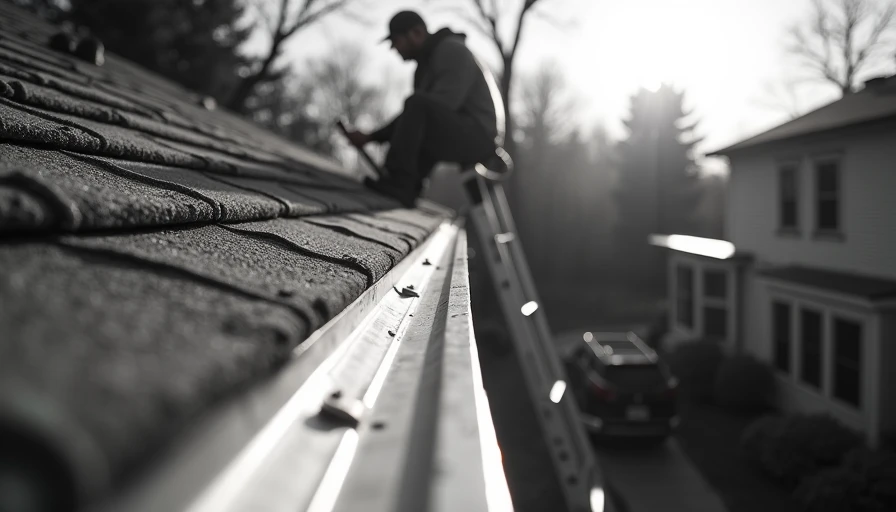
Installing **metal roof drip edge flashing** is a DIY job if you're comfortable on a ladder and have basic metal cutting skills. But for a metal roof, precision matters more than with asphalt shingles because the flashing must fit tightly under the roof panels to prevent leaks. Here's the basic process:
- **Measure and cut**: Use tin snips or a power shear to cut the drip edge to length. Cut ends at a 45-degree angle for overlapping at corners.
- **Install along eaves first**: Start at the lowest eave, working your way up. Overlap sections by at least 2 inches.
- **Secure it**: Use roofing nails every 12-16 inches, placing them high on the horizontal leg so they'll be covered by the roof panels.
- **Add at gable ends**: Install drip edge along gable ends after the roof panels are in place? No—it should go under the underlayment and over the flashing at the eaves.
If your house has old, soft fascia boards, secure the drip edge with screws into the rafter ends rather than nails, which can pull out. And if you're not confident about flashing details around valleys or chimneys, hire a roofer who specializes in metal roofs. A small mistake at the drip edge can lead to big water problems.
Common Mistakes to Avoid
- **Using undersized drip edge**: A 1-inch drip is fine for shingles, but for metal roofs, you typically need a minimum 1.5-inch drip.
- **Installing without underlayment**: Always install drip edge over the underlayment (like synthetic felt or ice-and-water shield) to prevent wicking.
- **No sealant at joints**: For metal roofs, apply a bead of high-quality roofing sealant at drip edge overlaps and at the ends where it meets the gutter.
- **Mismatched metals**: Aluminum drip edge on steel panels will corrode in humid areas. Keep metals compatible.
Final Thoughts
Your metal roof is a big investment. Spending an extra $100 or $200 on proper **metal roof drip edge flashing** prevents water damage that could cost thousands to repair. For an older house, it's not just about keeping water out—it's about preserving the structure for the next generation. Take the time to get the flashing right, or hire someone who will. Your dry basement and intact fascia will thank you.
*You do not need a perfect house. You need a house that is safe, dry, and honest.*



No feedback yet — submit the first.