
If you live in an older home like mine—a 1948 brick colonial in Pittsburgh—you probably have original hardwood floors. They’re beautiful, but they need care. Learning **how to clean and wax wood floors** is one of the best things you can do to protect them and keep your home safe for kids. Over time, worn or dirty floors can trap allergens and dust, which isn’t great for little lungs. Let’s walk through the right way to do it, without nasty chemicals or expensive mistakes.
Why Cleaning and Waxing Matters for Old-House Floors
Wood floors in pre-1990 homes often have finishes that differ from modern polyurethane. Many were originally sealed with wax or varnish. **How to clean and wax wood floors** correctly depends on the finish. Using harsh cleaners can strip old wax, leaving wood vulnerable to moisture and wear. Plus, dirt and grime accumulate in the grain, becoming a haven for dust mites. My wife Megan and I noticed our son Nolan’s sneezing eased after we switched to a proper wax maintenance routine. Wax not only restores shine—it seals the wood, reducing particle shedding. Skipping this step can lead to refinishing costs of $3–$6 per square foot, so a little effort saves big money.
Step-by-Step: How to Clean and Wax Wood Floors Safely
Here’s my routine, tested on our own creaky floors. Use this method unless you have a factory-finished polyurethane coating—then skip the wax.
Step 1: Dust and Vacuum First
Before any liquid touch the floor, remove loose grit. Use a microfiber mop or a vacuum with a hard floor attachment (I like the Miele C1 for its gentle suction). Don’t use a beater bar—it scratches. Dust daily in high-traffic areas; weekly is enough for bedrooms.
Step 2: Choose Your Cleaner
For waxed floors, avoid water-based products with harsh detergents. I make my own: a few drops of natural castile soap (Dr. Bronner’s) in a gallon of warm water, with a splash of white vinegar. Dampen a mop, not wet. Wring until barely moist. Mop in sections, rinsing the mop often. Never soak the wood. Let dry completely—at least 30 minutes.
Step 3: Apply Wax
Use a paste wax designed for wood floors. I trust Trewax Natural Paste Wax or Minwax Paste Finishing Wax. Apply a thin, even coat with a clean cotton cloth or a lambswool applicator, working in the direction of the grain. Work in small 3x3-foot sections. Let the wax dry to a haze (usually 10–20 minutes, follow the can).
Step 4: Buff After Drying
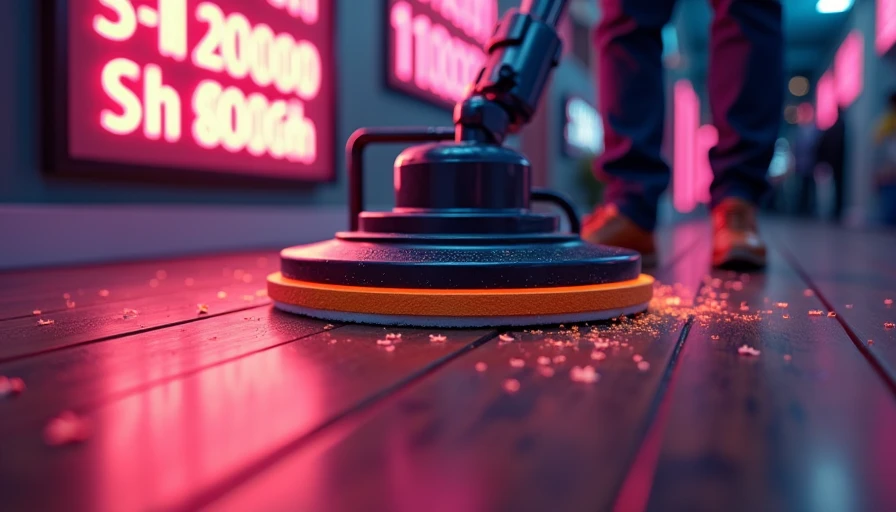
After the haze forms, buff with a clean, dry microfiber cloth or a floor buffer (for large areas). Use circular motions, then finish with the grain. This brings out the shine and removes excess wax. If you have kids or pets, consider doing this when they’re out—buffing takes 15–20 minutes per room.
Step 5: Wait Before Walking
Allow the wax to cure for at least 2 hours before light foot traffic. For heavy use (like hallways), wait 24 hours. Our daughter Elsie knows to stay off the “shiny floor” until morning.
Products to Use (and Avoid) for Waxing Old Floors
Not all products are safe for old homes. Avoid “mop & shine” liquids that contain acrylics—they build a plastic film that traps dirt and is hard to remove later. Stick to natural waxes. For cleaning every 4–6 weeks, use a mild pH-neutral cleaner (like Bona Hardwood Floor Cleaner, but verify it’s compatible with wax). I find that once you understand **how to clean and wax wood floors** with the right products, maintenance becomes a quick Saturday job.
What about price? A can of paste wax runs $10–$20 and covers about 300 square feet. That’s pennies compared to refinishing. For applicators, a pack of microfiber cloths from Costco is under $15. Avoid cheap spray-on waxes—they leave residues that attract dirt.

When to Call a Professional
If your floors are badly worn—bare wood showing through, deep scratches, or water stains—you may need to strip and rewax or refinish. A professional floor finisher can do a screen-and-coat (light sanding and fresh wax) for about $1–$2 per square foot. For a 200-square-foot room, expect $200–$400. That’s cheaper than a full sanding ($4–$8 per foot). For health concerns: if the floor has old varnish possibly containing lead (common in pre-1970 homes), don’t sand it yourself. Hire a certified lead-safe contractor. I once helped a family in Ohio whose DIY sander kicked up lead dust—testing and remediation cost them $3,000. Learn from that mistake.
A solid wax coat also protects against moisture, which is huge in older homes with damp basements. Our living room floor used to cup slightly each spring until I started waxing twice a year. Now it stays flat. **How to clean and wax wood floors** isn’t just about looks—it’s about structural care.
Final Tips for Busy Families
- Make waxing a seasonal task: spring and fall.
- Keep a doormat at every exterior door to reduce grit.
- If you have a dog, trim its nails often to avoid scratches.
- After waxing, let the room air out—waxes have some VOCs. Open windows for an hour.
You don’t need a perfect house. But knowing **how to clean and wax wood floors** means you can preserve what you have, save money, and keep your home safer for the people you love. Start small. Pick one room this weekend. The shine is worth it, and so is the peace of mind.




No feedback yet — submit the first.