I get this question more than almost any other.
“Grant, we want to keep our old house safe and comfortable. But we don’t have $50,000. We don’t even have $10,000. What do we do with what we actually have?”
Let me be direct: $5,000 is not a small amount of money. It’s real. And if you spend it in the right order, it can change everything about how your old house feels, how safe it is, and how much it costs to run.
If you had $50,000, you’d do a kitchen. That’s not this list.
This list is for families who want the biggest possible return on safety, comfort, and prevention. No granite. No subway tile. Just a safer, drier, warmer house for the people who live in it.
Here’s exactly how I’d spend $5,000 on an older family home if it were mine.
The rule that comes first
Before any dollar leaves your pocket, you need one rule:
Fix the envelope before you touch the finishes.
The envelope is your roof, walls, foundation, windows, doors, insulation, and air sealing. The finishes are your paint, floors, cabinets, and countertops.
Finishes are fun. Envelope keeps your family safe and dry. And envelope work almost always costs less than you think.
So here’s the order. I’ve done this on my own house. I’ve recommended it to dozens of families. It works.
Priority 1: Make the basement boring (budget: $1,000–$1,500)
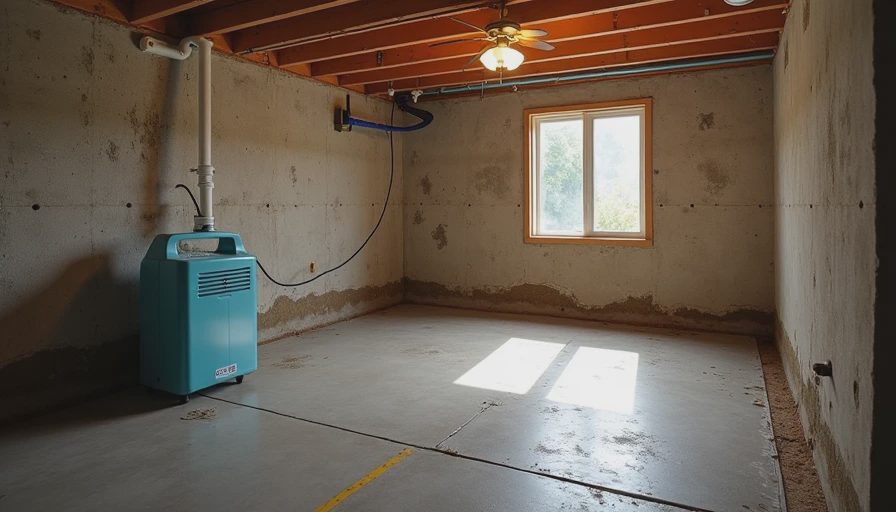
A wet or humid basement will slowly destroy your house from the bottom up. It rots wood, grows mold, attracts bugs, and makes your first floor feel cold and clammy.
For $1,000–$1,500, you can get 80% of the way to a dry basement.
What to do:
Downspout extensions ($50–$100): Every downspout should discharge at least six feet from the foundation. Not three feet. Six. You can buy cheap plastic extenders at any hardware store.
Gutter cleaning ($0–$200): Clogged gutters dump water right next to your foundation. Do it yourself or hire someone.
Soil grading ($0–$200): Walk around your house. Does the dirt slope toward the foundation? Buy a few bags of topsoil and a rake. Slope it away. This is cheap and incredibly effective.
Dehumidifier ($250–$400): Run it in the basement from May through October. Set it to 50%. Empty it daily or run a drain hose to a floor drain.
Crawlspace vapor barrier ($200–$500): If you have a dirt crawlspace, put down 10-mil polyethylene sheeting. Overlap seams. Seal to the walls. This alone will reduce first-floor drafts and humidity.
What you do NOT do with this budget: Interior drain tile, sump pump replacement, foundation crack injection. Those are real solutions but cost more. Start with the cheap stuff first. You’ll be surprised how often the cheap stuff solves the problem.
Priority 2: Fix the safety hazards kids actually encounter (budget: $500–$1,000)
Lead paint, falling risks, and carbon monoxide are the real safety issues. Everything else is lower priority.
What to do:
Smoke and CO detectors ($100–$200): One on every level, outside each sleeping area. Test them. Replace batteries. If they’re more than 10 years old, replace the whole unit.
Lead paint test kit ($15): Test any deteriorating paint below three feet in rooms where kids under six spend time. Don’t test every wall. Just test the suspicious spots.
Lead paint encapsulation ($50–$150): If you find chipping or rubbing lead paint on a window sill or door frame, buy a quart of lead-sealing encapsulation paint (like Lead Defender or Fiberlock). Paint right over it. Two coats. It costs $30–$50 and takes an afternoon.
Wobbly railings ($50–$200): Tighten every loose banister and handrail. If a railing moves when a five-year-old pulls on it, fix it. You can do this with basic tools.
Grab bars in bathrooms ($100–$300): If anyone over 60 or under 6 uses a shower or tub, install a grab bar. Not a suction cup one. A real one screwed into a stud.
What you do NOT do with this budget: Full lead abatement (encapsulation is fine), whole-house rewiring, asbestos removal from pipe wrap (leave it alone if intact). Those are bigger projects for another year.
Priority 3: Plug the biggest air leaks (budget: $300–$600)
Air leaks make you cold, waste heating money, and can pull humid air into walls where it condenses and rots wood.
You don’t need a blower door test. You just need your hand and a tube of caulk.
What to do:
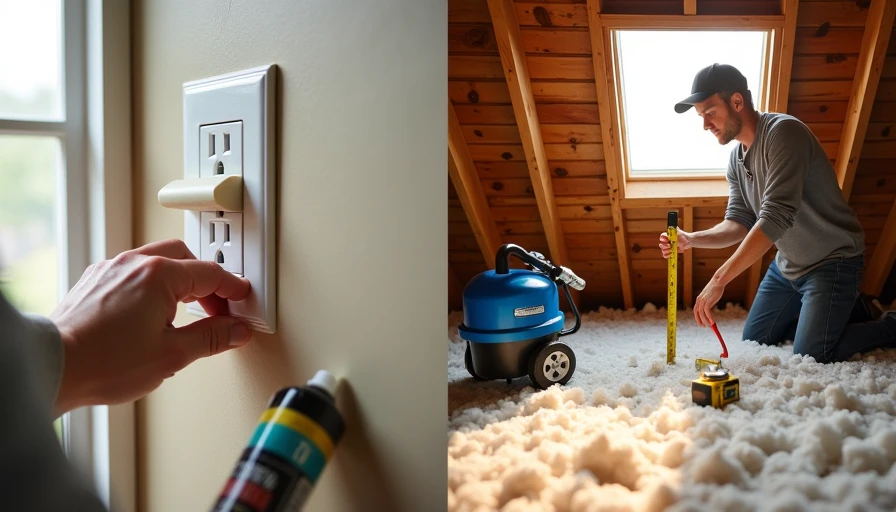
Electrical outlet gaskets ($10): Buy a pack of foam gaskets. Remove every outlet and light switch cover on exterior walls. Install the gasket. Replace the cover. This takes two hours and costs almost nothing.
Caulk around window and door trim ($30): On a windy day, run your hand around the inside of window and door frames. Feel cold air? Caulk the gap between the trim and the wall. Use paintable latex caulk.
Spray foam in the basement rim joist ($100–$200): The rim joist is the area where your basement wall meets the floor joists above. In most old houses, it’s completely unsealed. Buy a few cans of spray foam (fire-block rated) and fill every gap. Wear gloves. This reduces drafts on your first floor more than almost anything else.
Weatherstripping on exterior doors ($50): If you see daylight under or around a door, add weatherstripping or a new door sweep.
What you do NOT do with this budget: Replace all the windows. New windows cost $10,000–$20,000. Air sealing costs $500 and solves most of the same comfort problems. Save windows for later.
Priority 4: Insulate the attic floor, not the walls (budget: $1,000–$2,000)
If you have one cold room or high heating bills, the attic is almost always the culprit.
Heat rises. If your attic insulation is thin, you’re literally sending money out through your roof.
What to do:
Measure your attic insulation ($0): Go up there with a tape measure. Blown-in insulation should be 12–14 inches deep (R-38 to R-49). Fiberglass batts should be at least 9 inches (R-30). If you have less, add more.
Add blown-in insulation ($1,000–$2,000 for a typical attic, DIY or hired): This is the single best investment in old-house comfort. You can rent a blower from a home center for free with the purchase of insulation. A weekend of work, a dust mask, and a headlamp. You’ll notice the difference the first cold night.
Important: Do not add insulation until you’ve air-sealed the attic floor (sealing gaps around wires, pipes, and chimneys). Otherwise, you’re just covering up leaks. If you can’t DIY the air sealing, hire an insulation contractor to do both.
What you do NOT do with this budget: Insulate your walls. Wall insulation in old houses is expensive (drilling holes, dense-pack cellulose) and can cause moisture problems if done wrong. Attic insulation is cheap, easy, and safe. Do that first.
Priority 5: Make one room truly comfortable (budget: $500–$1,000, optional)
After you’ve done priorities 1–4, you might have money left. Use it to make the room your family uses most feel good.
What to do:
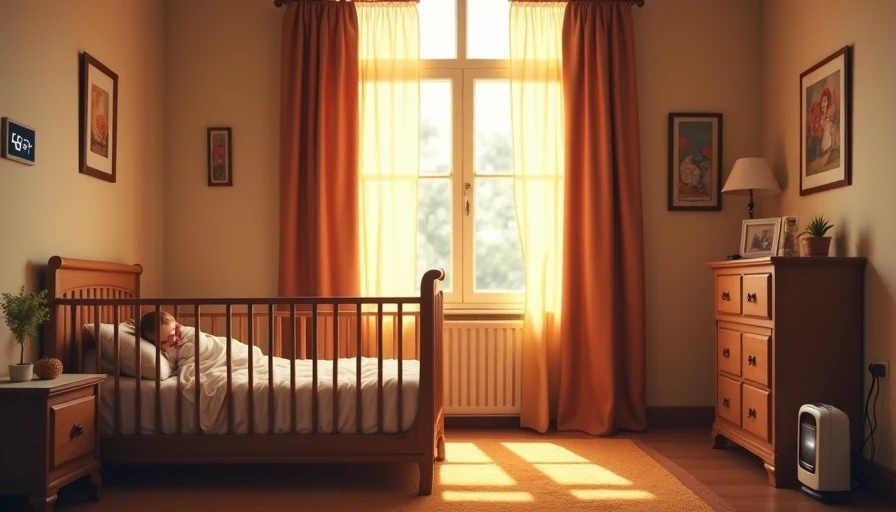
Thermal curtains ($100–$300 for a room): Heavy, lined curtains over drafty windows make an immediate difference.
Door draft stopper ($20): For the door to a cold room or basement.
Programmable or smart thermostat ($100–$250): Set it and forget it. Lower heat at night and when you’re away.
Space heater for one room ($100–$200): If one bedroom is still cold after everything else, a small ceramic space heater with tip-over protection is fine. Don’t run it unattended.
What you do NOT do with this budget: A new HVAC system, mini-splits, or boiler replacement. Those cost $5,000–$15,000. Save up for those separately.
What this budget does NOT cover (and that’s okay)
I need you to hear this: $5,000 will not fix everything. That’s not failure. That’s reality.
This budget will not:
Replace a failing roof (that’s a $10,000–$20,000 problem — save separately)
Remove asbestos pipe wrap (leave it alone or budget $2,000–$5,000 for pro removal)
Rewire aluminum wiring (budget $5,000–$15,000)
Replace old single-pane windows (budget $10,000–$20,000)
But here’s the thing: none of those big items are emergencies if they’re in stable condition.
A roof that’s old but not leaking? Fine. Asbestos pipe wrap that’s intact? Leave it. Windows that are drafty but not rotting? Air seal them and add curtains.
You don’t have to fix everything this year. You just have to fix the things that matter most.
A sample $5,000 spending plan
Here’s how I’d write the checks, in order:
Priority | Item | Cost |
|---|---|---|
1 | Downspout extensions, gutter cleaning, soil grading | $200 |
1 | Dehumidifier | $300 |
1 | Crawlspace vapor barrier (DIY) | $300 |
2 | Smoke/CO detectors, lead test, encapsulation paint | $200 |
2 | Fix wobbly railings, add grab bars | $300 |
3 | Air sealing (outlet gaskets, caulk, rim joist foam) | $250 |
4 | Attic insulation (add blown-in, DIY) | $1,500 |
5 | Thermal curtains + smart thermostat | $400 |
Remainder for unexpected findings | $1,550 |
That remainder isn’t waste. It’s breathing room. Maybe you find a small asbestos issue you need to have tested. Maybe a gutter leaks and needs a $200 repair. Maybe you need a radon test ($50). This plan has room for surprises.
What we did with $5,000 in our house
The year Elsie was born, we didn’t have much. But we had about $5,000 for the house.
We spent it exactly like this:
Downspout extensions and a dehumidifier for the basement
Lead encapsulation paint on her nursery window sill
Air sealing and attic insulation (I borrowed a friend’s insulation blower)
A smart thermostat and thermal curtains for her room
We did not touch the asbestos cement panel behind the electrical panel. We did not replace the drafty living room windows. We did not gut the basement.
And you know what? Elsie’s room was warm. The basement stayed dry. Her blood lead test came back normal. We slept fine.
The next year we saved again. And the year after that.
That’s how old-house ownership works. Not one giant renovation. A lifetime of small, smart priorities.
No feedback yet — submit the first.