If you own an older house, you have probably dealt with a sticky lock or a key that no longer turns smoothly. Understanding the basic **door lock parts** can help you diagnose problems, make simple repairs, and decide when it is time to call a locksmith. I have walked through dozens of pre-1990 homes, and the front door lock is one of the first things I check. A loose or worn lock is not just an inconvenience—it can be a security risk for your family. In this guide, I will walk you through the common lock components, what to look for when they fail, and how to choose replacements that fit both your door and your budget.
Common Door Lock Parts You Should Know
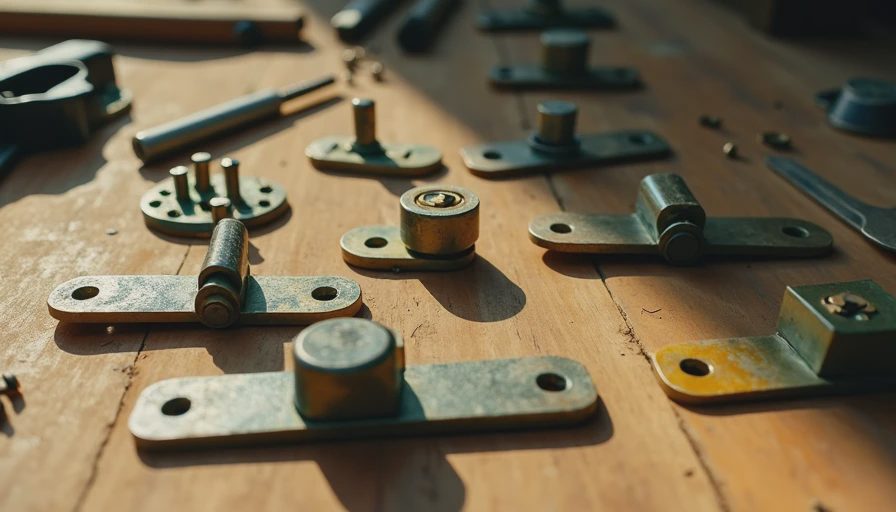
Most residential door locks share a handful of core **door lock parts**. The cylinder (or keyhole) is where the key goes; inside it, pins of different lengths align with the key cuts to allow rotation. The latch bolt is the spring-loaded piece that keeps the door closed when you push it—it retracts when you turn the knob or key. The deadbolt is a heavier bolt that extends into the door frame for extra security. Other components include the strike plate (mounted on the frame), the faceplate (on the edge of the door), and various screws and springs. Knowing these names makes it easier to describe what is wrong. For example, a latch bolt that does not fully extend often means the spring is worn or the strike plate is misaligned.
Signs Your Door Lock Parts Need Replacing
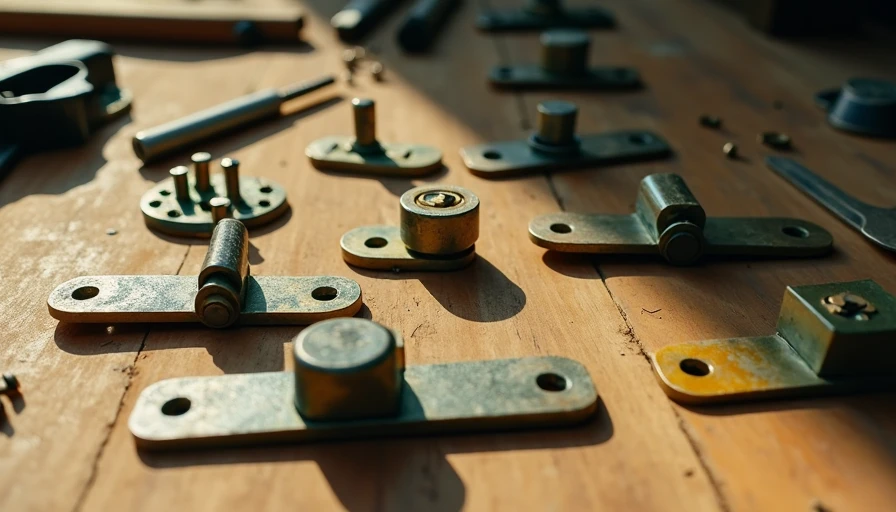
Even well-made locks wear out over time. Look for these red flags: the key sticks or requires jiggling, the knob feels loose, the deadbolt does not slide smoothly, or you can open the door without fully retracting the latch. In old houses, I often see locks that have been painted over multiple times, gumming up the moving parts. If your lock feels gritty or the key is hard to insert, try cleaning it first with graphite powder. But if the problem persists, one or more **door lock parts** may be bent, broken, or corroded. A lock that is more than 20 years old is often worth replacing entirely rather than trying to fix individual parts—especially if security is a concern.
How to Choose Replacement Door Lock Parts
When you need to replace **door lock parts**, start by identifying the brand and model. Many older locks are made by Kwikset or Schlage, and replacement parts are widely available at hardware stores. For standard knobs and deadbolts, you can buy a new lockset with the same backset (the distance from the edge of the door to the center of the knob) and crossbore (the hole size). Most residential doors use a 2-3/8-inch or 2-3/4-inch backset and a 1-1/2-inch crossbore. If you are keeping the original cylinder or trim, you may only need to replace the latch or the deadbolt mechanism. Online retailers and locksmiths can help you match parts if you have the original. I recommend buying from a reputable brand—cheap locks can fail quickly and may not fit properly.
A quick tip: if you are replacing a lock on an exterior door, choose a Grade 1 or Grade 2 deadbolt for better security. Interior doors can use Grade 3. Also, check the strike plate: a longer plate with longer screws anchors the lock better to the frame. I have seen many old houses where the strike plate screws are only 1/2 inch long—not enough to grab the stud. Replacing them with 3-inch screws is a simple upgrade that adds real protection.
A Word on Security and Old Homes
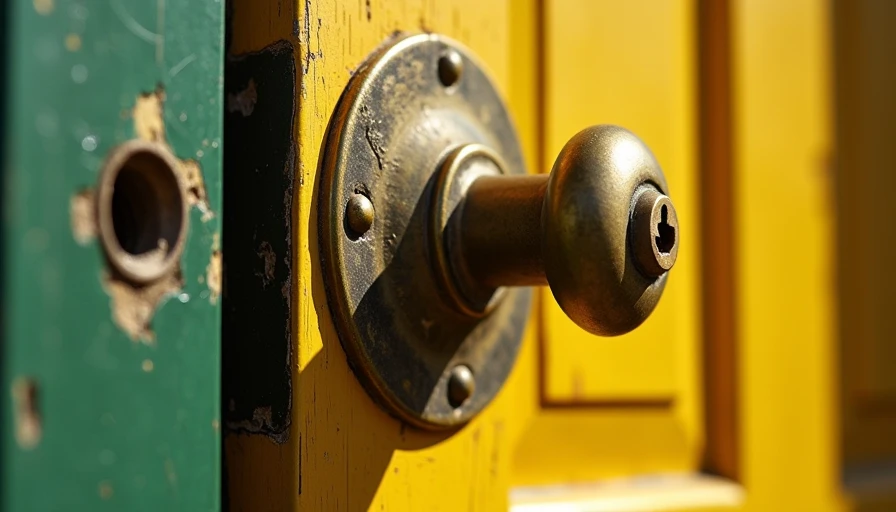
Old houses often have original **door lock parts** that are charming but not very secure. Many vintage locks use simple warded mechanisms that can be picked with basic tools. If your front door still has its original lock from the 1940s or 1950s, consider upgrading to a modern deadbolt while keeping the vintage knob for looks. That way you preserve the character without sacrificing safety. I have done this in my own 1948 house—the old brass knob stays, and a new deadbolt sits just above it. It is a practical compromise that many homeowners appreciate. Remember: security does not have to mean an ugly lock. There are plenty of period-appropriate options.
Conclusion
Understanding **door lock parts** empowers you to maintain your home's security without unnecessary expense. Start by inspecting your locks today. If you find worn or failing components, replace them promptly. A few dollars and an hour of work can give your family peace of mind. And if you are ever unsure, call a locksmith who specializes in older homes—they can often repair or rekey your existing hardware to keep your house safe, dry, and honest.

No feedback yet — submit the first.