If you own an older house, you already know the feeling: winter drafts creeping in, high heating bills, and rooms that never feel quite comfortable. One of the most effective fixes is upgrading to 2x6 insulation. By replacing standard 2x4 walls with deeper 2x6 cavities, you can pack in more insulation and dramatically improve your home's thermal performance. I've seen this upgrade transform drafty old houses into cozy, efficient homes without a full gut renovation.
Why 2x6 Walls Matter for Older Homes
Homes built before 1990 often have 2x4 exterior walls with minimal insulation—if any. The standard R-value for a 2x4 wall with fiberglass batts is around R-13. That's the bare minimum for modern codes in many cold climates. With a 2x6 wall, you can achieve R-19 to R-21 using fiberglass batts, or even higher with spray foam or mineral wool. That extra R-value directly translates to less heat loss in winter and less heat gain in summer. For a family in Pittsburgh or the Midwest, that means lower energy bills and fewer cold spots near windows or corners. But the benefits go beyond comfort. Properly insulated walls reduce moisture issues by keeping warm air inside and preventing condensation inside wall cavities, which cuts the risk of mold and rot—a big concern in older homes.
Choosing the Right Insulation for 2x6 Cavities
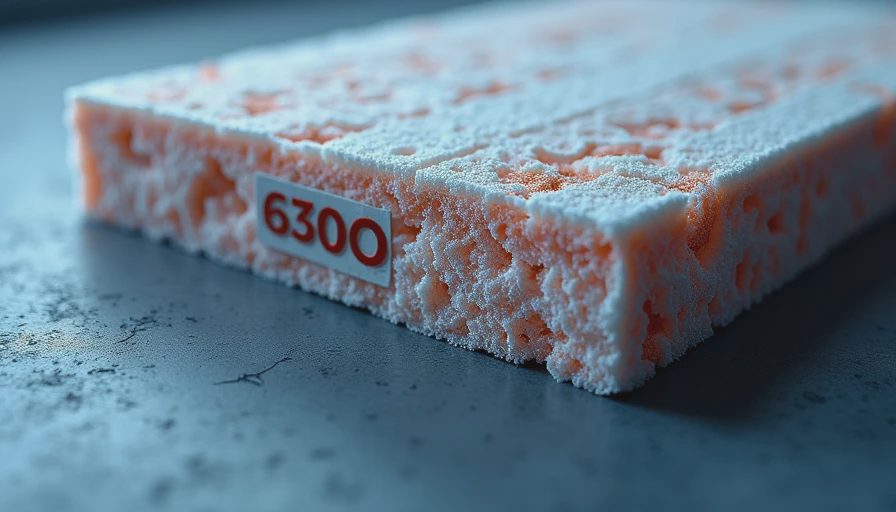
When you move to 2x6 walls, you have several insulation options. The most common are fiberglass batts, blown-in cellulose, mineral wool, and spray foam. Fiberglass is budget-friendly and easy to install if you're doing the work yourself. For a 2x6 cavity, use R-19 batts that are 6.25 inches thick, or R-21 in narrower cavities. Cellulose offers better air-sealing and soundproofing but requires professional installation. Mineral wool (like Rockwool) is water-resistant and great for basements or bathrooms. Spray foam provides the highest R-value per inch (R-6 to R-7) and acts as an air barrier, but it's pricier. For older homes that already have some air leakage, I often recommend a combination: foam board on the exterior sheathing with fiberglass or cellulose in the stud bays. This approach cuts drafts and adds R-value without breaking the bank.
Installation Tips and Common Mistakes
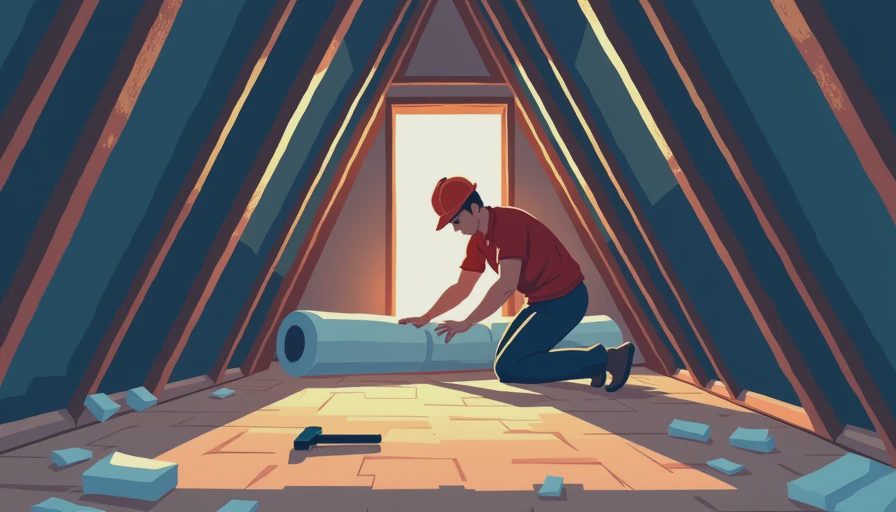
Doing the work yourself can save money, but there are common pitfalls. First, always seal air leaks before adding insulation—gaps around electrical boxes, pipes, and rim joists are prime spots. Use caulk or expanding foam. Second, avoid compressing the insulation: batts need to fill the cavity completely but not be squished, or their R-value drops. For 2x6 walls, standard batts often fit tightly, but if you have odd spacing, trim them carefully. Third, use a vapor retarder if required by your local climate. In the Midwest and Northeast, that usually means kraft-faced batts facing the warm side of the house (interior). If you're using unfaced batts, add a separate vapor barrier like polyethylene sheeting. Finally, remember that insulation is only part of the picture—air sealing and proper ventilation are just as critical for moisture control. When my own house got updated, we used a thermal camera to find hidden gaps before starting; it saved us from insulating over problems.
Cost and Savings Breakdown
How much does 2x6 insulation cost compared to standard 2x4? The materials cost more because you need thicker batts, and if you're building new walls or adding depth to existing ones, there's framing lumber too. For a typical 1,500-square-foot home, upgrading existing 2x4 walls to 2x6 (by building out the studs with furring strips or replacing the wall) can add $1,500 to $3,000 in materials and labor. But the long-term energy savings offset that: homeowners often see a 15–25% reduction in heating and cooling bills. In cold climates, that can mean $300–$600 per year saved. Plus, the improved comfort and reduced draftiness make the house more livable. If you're planning to sell, better insulation is a selling point for savvy buyers. One caveat: if your house has older wiring or plumbing inside the walls, have an electrician or plumber check everything before buttoning up.
Is 2x6 Insulation Right for Your House?
Not every home can easily accommodate 2x6 insulation. If your exterior walls are 2x4 and you don't want to lose interior space, you might consider adding insulation on the outside (exterior rigid foam) instead. That approach avoids disturbing the interior but requires new siding and trim. For houses with solid masonry walls, the best bet is often interior furring strips with foam board. But if you're already doing a major renovation—replacing siding, rewiring, or finishing a basement—this is the perfect time to switch to 2x6 walls and insulation. Start with a home energy audit to identify your biggest heat loss areas. Then decide whether a full wall upgrade or a more targeted fix makes sense. Remember, you do not need a perfect house. You need a house that is safe, dry, and honest.
By choosing 2x6 insulation, you are investing in long-term comfort and lower utility bills. Whether you hire a contractor or tackle it yourself, this upgrade pays off both in your wallet and in your day-to-day living experience. If you have questions about your specific house, feel free to reach out—I am always happy to help a fellow old-home owner make a smart decision.




No feedback yet — submit the first.