If your house was built before 1990, there’s a good chance you have a crawl space. And if you’re like most homeowners, you probably ignore it until something goes wrong. Crawl space maintenance isn’t glamorous, but it’s one of the most important things you can do to keep your home safe, dry, and energy-efficient. Neglecting it can lead to mold, rot, pests, and high heating bills. In this article, I’ll walk you through the essentials of crawl space maintenance—what to look for, what to fix, and when to call in help. You do not need a perfect crawl space, but you need one that isn’t making your house unhealthy.
Why Crawl Space Maintenance Matters for Your Family’s Health
I’ve seen too many families overlook their crawl space because it’s out of sight. But crawl space problems don’t stay hidden for long. Moisture seeps up into your floors, mold spores circulate through your HVAC system, and rodents find their way inside. Regular crawl space maintenance stops these issues before they affect your kids’ breathing or your daycare bills. In my own 1948 house, I check my crawl space every spring and fall. It’s a simple routine, and it saves me thousands in potential repairs. The air quality in your living room starts in the crawl space. If it’s damp and musty down there, you’re breathing that air upstairs. Crawl space maintenance directly connects to your family’s health, especially for children with allergies or asthma. Don’t let the hidden location fool you—out of sight doesn’t mean out of risk.
Your Crawl Space Maintenance Checklist: What to Inspect
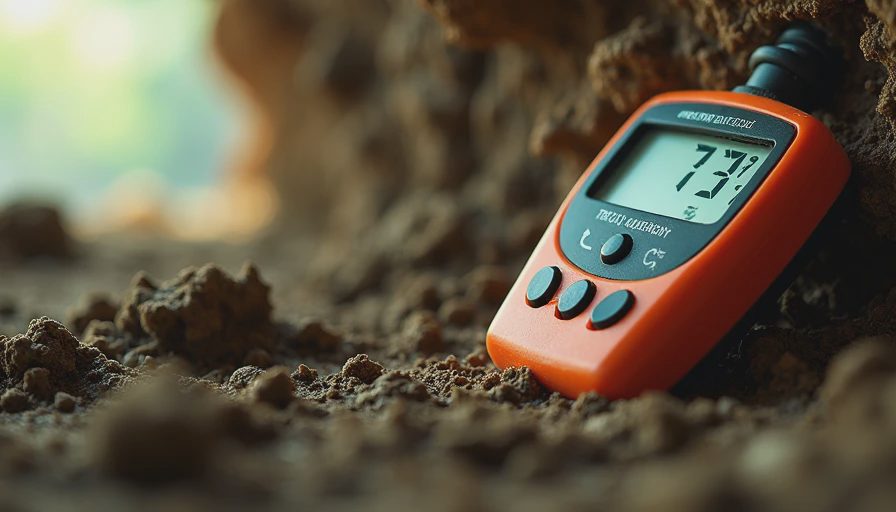
Let’s break down the key areas. First, check for standing water or damp soil. If you see moisture, you need better drainage—either extending downspouts or installing a vapor barrier. Second, look at the insulation. In many older homes, the insulation in the crawl space is either missing or water-damaged. Replacing it improves your energy bills and prevents pipes from freezing. Third, inspect for pests. Crawl space maintenance should always include a quick search for droppings, nests, or entry points. Seal any gaps with metal mesh, not foam. Finally, make sure your crawl space vents are clear. Blocked vents trap moisture and create a perfect environment for mold. I recommend doing a full sweep twice a year. Write down what you find and track changes. This simple checklist is the backbone of effective crawl space maintenance for any older home.
When to Invest in Professional Crawl Space Maintenance
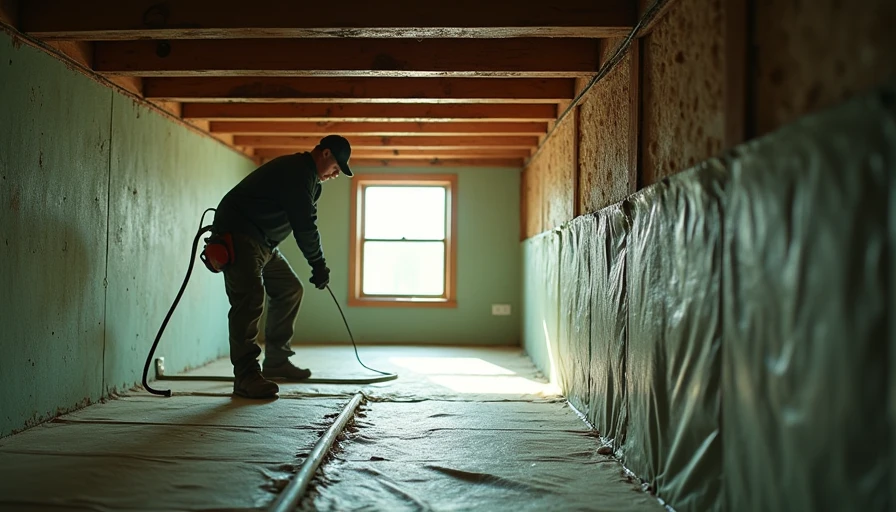
Some tasks are easy DIY, but others require a pro. If you find extensive mold, structural damage, or a persistent moisture problem, it’s time to call a specialist. A professional crawl space maintenance company can install a sump pump, encapsulate the space, or fix grading issues. Expect to spend $1,500 to $5,000 for a full encapsulation, but it’s often worth it for the peace of mind. Don’t wait until you notice a musty smell in your living room. That’s a sign your crawl space maintenance has been postponed too long. In my consulting work, I’ve seen families spend twice as much on emergency repairs than they would have on routine care. A one-time professional evaluation can give you a clear plan and budget. Prioritize moisture control above all else—if the crawl space is dry, most other problems become manageable.
Seasonal Crawl Space Maintenance Tips
In the spring, after the snow melts, check for water intrusion. In the fall, before the first freeze, inspect insulation and seal ducts. Crawl space maintenance is a seasonal habit, not a one-time project. I do a quick walkthrough every time I put away the garden hose. It takes 20 minutes and gives me confidence that my family is safe. During winter, keep an eye out for ice dams or condensation on pipes. Regular attention reduces the risk of costly emergency repairs. Also, consider installing a dehumidifier if you live in a humid climate—it runs maybe $200 and can make a big difference. Seasonal checks are the easiest way to stay on top of crawl space maintenance without feeling overwhelmed.
Frequently Asked Questions About Crawl Space Maintenance
**Q: How often should I inspect my crawl space?**
A: Aim for a thorough inspection twice a year—spring and fall. But if you’ve had heavy rain or a plumbing leak, check sooner. The key is catching problems early.
**Q: Can I clean mold myself?**
A: Small patches (under 10 sq ft) can be cleaned with a bleach solution, but always wear a mask and gloves. For larger areas, hire a pro. Mold spores are bad for your lungs.
**Q: What’s the best vapor barrier material?**
A: Use 6-mil polyethylene sheeting at a minimum. Overlap seams by 12 inches and seal them with tape. This keeps ground moisture from rising into your home.
**Q: Do crawl space vents help or hurt?**
A: In humid climates, vents often bring in moist air. Many experts now recommend sealing vents and using a dehumidifier. Check your local climate before deciding.
Crawl space maintenance doesn’t need to be complicated. Start with a visual check, address moisture first, and don’t be afraid to call a pro when it’s beyond your comfort zone. Your house will be safer, your energy bills lower, and your family healthier. And remember: you do not need a perfect house. You need a house that is safe, dry, and honest.



No feedback yet — submit the first.