
If you own an older home, you’ve probably faced a wobbly cabinet door or a loose shelf that needs reinforcement. Knowing how do you drill pocket holes is a game-changer for these repairs. Pocket holes let you join two pieces of wood with a hidden screw, creating a strong, clean joint without complicated clamps or glue. In this guide, I’ll walk you through everything you need to get started, from tools to technique, so you can tackle your next project with confidence.
What Are Pocket Holes and Why Use Them?
Pocket holes are angled holes drilled into one board, allowing a screw to bite into an adjoining board. They’re perfect for face frames, cabinet boxes, and even furniture repair. In an old house, you might use them to build new shelving inside a pantry or fix a broken chair rung. The joint is surprisingly strong—often stronger than a dowel joint—and it’s reversible if you make a mistake. Besides, you don’t need to be a master carpenter. Once you learn how do you drill pocket holes, you’ll find yourself reaching for this method again and again.
Tools You’ll Need to Drill Pocket Holes
To get started, you’ll need a pocket hole jig. The most common is a Kreg jig, but there are affordable alternatives. You’ll also need a drill (cordless works fine), a square drive bit, and pocket hole screws with a washer head that prevents pull-through. A clamp is essential to hold the jig in place. I recommend a quick-release clamp. Finally, have a tape measure and a pencil handy. Safety gear—safety glasses and ear protection—is non-negotiable, especially if you’re drilling in an older house where dust might contain lead paint. Test for lead before you start if the wood is painted.

Step-by-Step: How Do You Drill Pocket Holes
First, mark the location of your joint on one board. Clamp the pocket hole jig onto that board, aligning the guide holes with your mark. Adjust the jig’s depth collar to match your wood thickness—it should be slightly less than the material thickness. Now, insert the drill bit into the jig and drill until the bit bottoms out. Don’t go too fast; let the bit do the work. Repeat for each pocket hole. The jig usually has multiple holes for strength. After drilling, remove the jig and clamp the boards together. Drive the pocket hole screw through each hole into the second board. The screw head will sit flush or slightly below the surface. That’s it. Understanding how do you drill pocket holes is really just a matter of practice.
Tips for Accurate Pocket Holes in Older Wood
Older houses often have hardwood floors or reclaimed lumber, which can be harder to drill. Use a sharp drill bit and start with a slower speed to avoid burning the wood. If you’re working with painted or coated wood, scrape off the paint first to get a clean bite. Hardwoods like oak or maple might need pre-drilling with a smaller bit. Also, watch out for nails or screws hidden in the wood—they can ruin your bit and blow out the pocket hole. A metal detector is a cheap investment. When drilling near the edge, keep the jig at least 1/4 inch away to prevent splitting. Learning how do you drill pocket holes in these conditions might take a little longer, but the joints will hold up for decades.
Common Mistakes and How to Avoid Them
One common mistake is not adjusting the jig’s depth collar. If it’s set too deep, the screw will poke through the face of the board. Too shallow, and the threads won’t bite. Always test on a scrap piece first. Another error is using regular wood screws instead of pocket hole screws. Regular screws can split the wood or snap. Also, don’t skip the clamp—if the boards shift while driving the screw, the joint will be misaligned. I’ve also seen people tighten screws too much, causing the wood to crack. Elbow grease is okay, but stop when the screw head sits snug. Keeping these in mind, you’ll improve faster than you think.
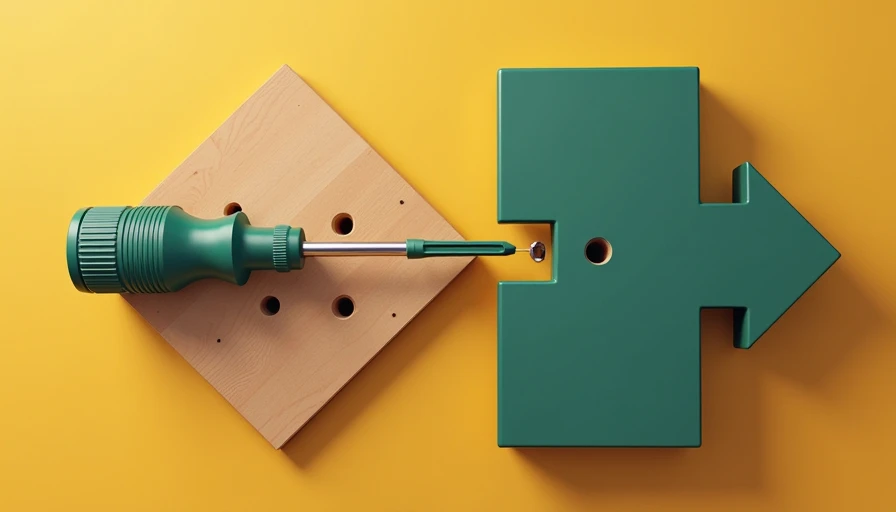
When to Choose Pocket Holes Over Other Joinery
Pocket holes are ideal for quick, strong joints that won’t be visible—like cabinet backs, drawer sides, or under-shelf supports. They’re not great for fine furniture where you want a seamless look, because the screw holes need plugs or putty. In an old home, I often use pocket holes to repair baseboard returns or build new closet organizers. If you need a joint that bears heavy weight or will be visible, consider dadoes, mortise and tenon, or dowels. But for 90% of DIY repairs, pocket holes are faster and require fewer tools. Once you know how do you drill pocket holes, you’ll have a reliable option in your tool belt.
Final Thoughts
Drilling pocket holes isn’t a secret skill—it’s a straightforward technique that any homeowner can learn. Start with a simple project like building a small shelf or fixing a drawer. As you get comfortable, you’ll take on bigger things like kitchen islands or built-in bookcases. Always work in a well-ventilated area, especially in older homes where dust might be risky. And remember: you don’t need a perfect house. You need a house that’s safe, dry, and honest. Pocket holes help you get there, one joint at a time.


No feedback yet — submit the first.