
If you own an older home in the suburbs or countryside, there's a good chance your water comes from a private well. When that well pump starts acting up—or if you're moving into a house that needs one—you might be considering **installing a well pump** yourself or hiring a pro. It's a job that touches on plumbing, electricity, and water quality, so a little planning goes a long way. I've seen plenty of rushed installs in my inspection days, and the results are never pretty. Let's walk through what you need to know.
Why Installing a Well Pump in an Older Home Is Different
Old houses come with quirks. The well might be decades old, with pipes made of galvanized steel that could be corroded or even lead-soldered. Before you even think about **installing a well pump**, you need to know what's underground. I always recommend pulling the well log from your county health department—if one exists. It'll tell you the depth, casing material, and pump history. Also, check your electrical panel: submersible pumps draw a lot of power, and a 1940s fuse box isn't going to cut it. You'll likely need a dedicated 20-amp circuit.

Another thing: older wells often have smaller casing diameters, like 4-inch instead of 6-inch, which limits your pump options. Make sure any pump you buy fits. And if you have lead pipes anywhere in the house, that's a whole separate issue—get your water tested before you spend money on a new pump.
Signs You Need a New Well Pump
Not every sputtering faucet means the pump is dead. But here are the clues: low water pressure that comes and goes, spitting air from the taps, or the pump running constantly (short cycling). That last one often means a failed pressure tank, not the pump itself. If the tank has a waterlogged bladder, replacing it might be cheaper than **installing a well pump**. But if the pump is humming but no water comes out, or you see a tripped breaker, the motor has likely burned out. In my own 1948 house, I had to replace the pump after a lightning strike—that's a common killer in older homes with above-ground pumps.
DIY vs Hiring a Pro for Installing a Well Pump
I'm all for doing your own home repairs, but **installing a well pump** is not a beginner job—unless you're comfortable with deep wells, pipe threading, and 240-volt wiring. For a shallow well (under 25 feet), a jet pump can be a DIY project if you have basic plumbing and electrical skills. But for submersible pumps in deep wells, I strongly recommend hiring a licensed well driller or pump installer. They have the truck, the crane, and the experience to pull a stuck pump without wrecking the drop pipe. Plus, they'll pressure-test the system and check the well's yield. One mistake, like leaving a wire splice unsealed, can shorten the pump's life or contaminate your water.
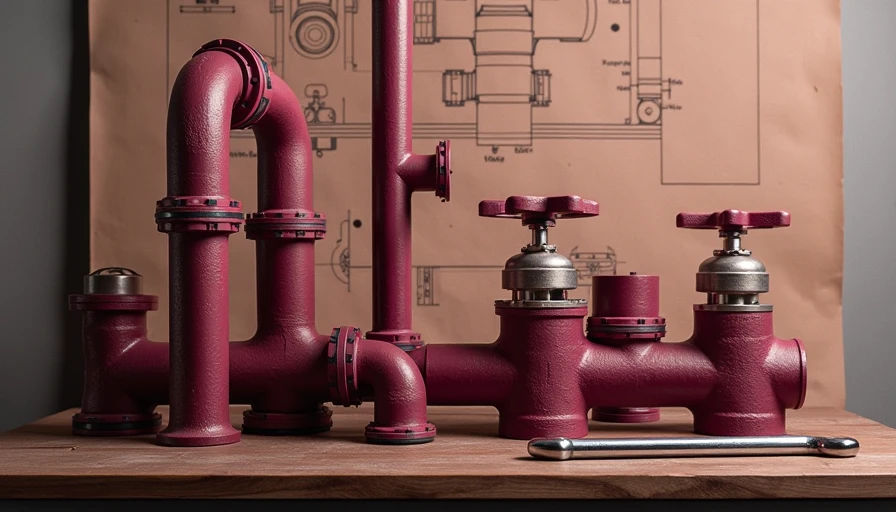
What to Expect During the Installation Process
Let's say you decide to hire a pro. The process starts with pulling the old pump—if there is one—out of the well casing. That involves disconnecting the electrical wiring and unscrewing the pipe sections as they come up. A new submersible pump is then spliced onto the drop pipe with a torque arrester and safety rope, and lowered down. The installer will connect the wiring to your control box or pressure switch, then prime and test the system. Expect the job to take a full day, maybe longer if the well is deep or the old pump is stuck. They'll also replace the pitless adapter if yours is old. After **installing a well pump**, your water should run clear and strong again—but don't drink it until you've tested for bacteria and sediment, especially if the well was open during the swap.
Cost of Installing a Well Pump in 2025
Prices vary widely by region and well depth. A basic shallow-well jet pump with installation can run $400–$800. A submersible pump for a 150-foot well, including labor, is typically $1,500–$2,500. Deeper wells or those requiring a new drop pipe, wiring, or pressure tank can go up to $3,000 or more. If you're also replacing the pressure tank, add another $200–$500. Always get at least two quotes and ask if they include permitting and water testing. Some states require a permit for well work—don't skip it, because it protects your water quality.
After Installation: Maintenance and Water Testing
Once you've finished **installing a well pump**, the job isn't over. Mark the date on your calendar for annual inspections: check the pressure tank air charge, listen for short cycling, and look for leaks at the wellhead. Most important, have your water tested for coliform bacteria, nitrates, and—if your house is pre-1980—lead and arsenic. A new pump won't fix underlying water quality problems. I test my own well every spring, and I've caught a failing filter before it caused a pressure drop. Also, keep a spare pressure switch and a few wire nuts handy; those are common failures that can leave you without water on a Saturday.
In the end, **installing a well pump** in an older home is a manageable project if you take it step by step. Know your well, know your budget, and don't hesitate to call a pro when the job goes deeper than you expected. Your family's water is worth doing right.

No feedback yet — submit the first.