
If you live in an older home like mine—a 1948 house near Pittsburgh—your window frame is probably original wood. After decades of weather, paint, and maybe a few bad contractor patches, that window frame might be showing signs of rot, drafts, or even lead paint hazards. A failing window frame isn't just an eyesore; it can waste energy, let in moisture, and sometimes hide materials you need to handle carefully. Before you panic or overspend on a full replacement, let me walk you through what to look for, when to repair, and when to replace.
Why Window Frames Matter for Your Home's Health
Your window frame is more than a trim piece. It's the structural connection between the window unit and your wall. When it rots or gaps, you lose insulation, invite moisture, and create an easy path for pests. In cold climates like the Midwest or East Coast, a leaky window frame can raise your heating bill by 10% or more. And if you have young kids like my two, Elsie and Nolan, you also worry about lead paint dust from old wood frames that were painted before 1978. Testing and maintaining your window frame is part of keeping your house safe, dry, and honest.
Common Window Frame Problems in Older Homes
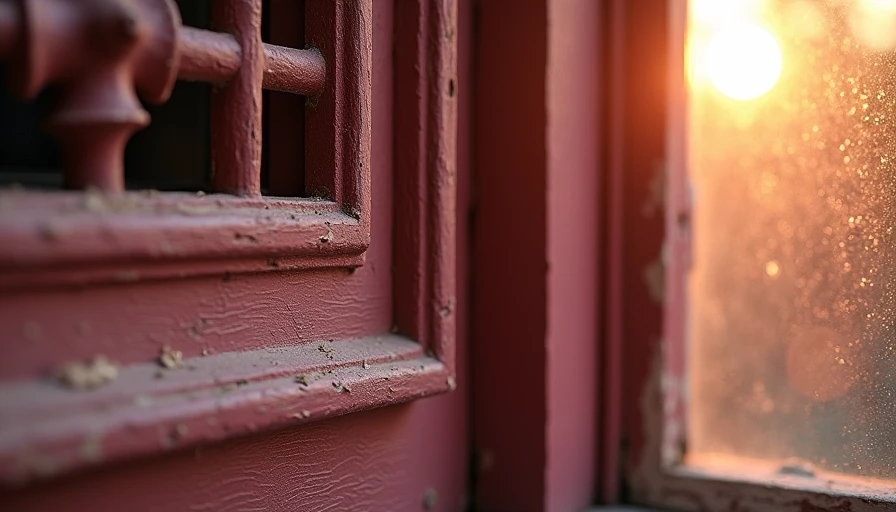
Most window frame issues fall into a few categories. Rot is the big one—usually at the bottom corners where water sits. Next is paint failure: peeling, chalking, or cracking that exposes raw wood. Then there's draftiness, often caused by gaps between the frame and the wall or between the sash and the frame. In basements or damp rooms, you might see mold or soft spots. And don't forget the hidden problem: old window frames may have lead paint layers underneath, especially if your house was built before 1950. A simple test kit from the hardware store can confirm if your window frame has lead.
Repair vs. Replace: How to Decide
Here's the decision tree I use with clients. If the window frame has only surface rot or paint failure, and the wood is still solid at the corners, you can repair it. Scrape, sand, wood filler, prime, and repaint. That's a DIY weekend job. But if the rot extends more than an inch into the frame, or if the bottom sill is spongy, replacement is safer. Also, if your window frame is the original single-pane with storm windows, replacing the entire window and frame might save you more energy than trying to patch it.
For a full frame replacement, expect to pay $400 to $1,200 per window, depending on material and labor. Vinyl frames are cheaper and low-maintenance, but wood frames (like your original) can be restored if they're not too far gone. I usually tell homeowners: if you plan to stay in the house more than five years, a quality replacement window frame pays off in comfort and energy savings.

When to Call a Professional
Some window frame jobs need an expert. If you suspect asbestos in the old putty or lead paint that requires abatement, don't DIY. Also, if the frame is part of a larger wall issue—like water damage from a leaky roof above—get a contractor to assess the whole picture. A good window installer or general contractor can also help you choose the right frame material for your climate. In Pittsburgh's freeze-thaw cycles, for example, vinyl frames can expand and contract; wood or fiberglass are more stable.
A Note on Lead Paint and Old Window Frames
If your window frame was painted before 1978, assume it contains lead. That doesn't mean you have to replace every frame immediately. But you must avoid sanding or scraping dry—use a wet-sanding method or a chemical stripper designed for lead paint. Always wear a respirator and seal off the work area from kids and pets. For families, I recommend having any lead-painted window frame that rubs or creates friction (like a sash window) addressed by a certified lead-safe renovator. It's one of those “needs action now” items on my repair list.
Final Thoughts
Your window frame isn't something to ignore, but it's also not a crisis. Start by inspecting the bottom corners and checking for drafts with a candle or incense stick on a windy day. If you see rot or feel a draft, decide whether a simple repair or a full replacement is right for your budget and timeline. Old houses hide things—that doesn't mean you have to fear them. You just have to know what you're looking at. And when it comes to window frames, you now have a solid place to start.
DIY Window Frame Repair: A Step-by-Step Checklist
If you've decided to repair your window frame instead of replacing it, follow this checklist for a safe and effective job. This assumes the frame has only surface rot or paint failure—solid wood underneath.
- **Test for Lead Paint** – Buy a lead test kit from a hardware store. If positive, skip dry sanding. Use a chemical stripper or wet-sanding method.
- **Scrape Loose Paint** – Use a paint scraper to remove any peeling or chalking paint. Work carefully to avoid gouging the wood.
- **Remove Rotted Wood** – Use a wood chisel or multi-tool to cut away soft, spongy wood. Stop when you reach solid, sound wood.
- **Apply Wood Filler** – Use exterior-grade epoxy wood filler for rot repair. Mix according to instructions and press into the cavity. Overfill slightly, then sand smooth when dry.
- **Prime and Paint** – Apply a high-quality exterior primer, then two coats of exterior paint. This seals the repair and protects the wood.
- **Check for Drafts** – After painting, test the window operation and feel for air leaks. Caulk any gaps between the frame and the wall.
- **Clean Up Safely** – If lead was present, wet-mop the area and dispose of waste in sealed bags.
Following this checklist can extend the life of your window frame by several years. For a typical rotted corner, the materials cost about $20–$40, making it a cost-effective alternative to full frame replacement. Just remember: if the rot is extensive or you're unsure about lead safety, hire a professional.



No feedback yet — submit the first.