
If you own an older home, you've probably heard about flashing—the thin metal strips that keep water from sneaking into roof valleys, chimneys, and walls. But there's one specific type that often gets overlooked: **drip flashing roof** details. Drip flashing is installed along the eaves of your roof to direct water away from the fascia and into the gutters. In an older home, missing or corroded drip flashing can lead to wood rot, mold, and even indoor air quality problems. Let's walk through what drip flashing does, how to spot trouble, and what it costs to fix.

What Is Drip Flashing and Why It Matters
Drip flashing is a bent piece of metal (usually aluminum or galvanized steel) that installs under the shingles and hangs over the fascia board at the roof's edge. Its job is simple: force water to drip away from the wood instead of running back into the eaves. Without **drip flashing roof** protection, rainwater can soak into the fascia, soffits, and even the attic. Over time, this moisture invites mold growth, wood rot, and carpenter ants. For a family with young kids, a damp attic is more than a repair bill—it's a potential respiratory hazard.
In pre-1990 homes especially, builders often skipped drip flashing or used cheap materials that have rusted out. I've inspected dozens of old houses in Pittsburgh where the fascia boards were soft enough to push a screwdriver through. Nearly every time, the culprit was missing or failed drip flashing. A properly installed **drip flashing roof** system is a cheap insurance policy against much bigger problems.
Signs Your Roof Lacks Proper Drip Flashing
How can you tell if your home needs attention? Start by looking from the ground on a sunny day. Here are three red flags:
- **Stained or peeling paint on fascia boards** – Dark streaks or blistering paint mean water is running down the wood instead of dripping clear.
- **Water stains on soffits** – If you see discoloration under the eaves, there's a good chance drip flashing is missing or damaged.
- **Moss or algae on the roof's edge** – Persistent moisture at the eaves creates a perfect environment for growth.
You can also climb up with a ladder and inspect the metal edge directly. Older homes sometimes have wood shingles or slate that naturally last longer than the flashing—so even if your roof looks okay, the **drip flashing roof** component might be shot. If you see rust, gaps, or no metal at all under the first row of shingles, it's time to plan a repair.
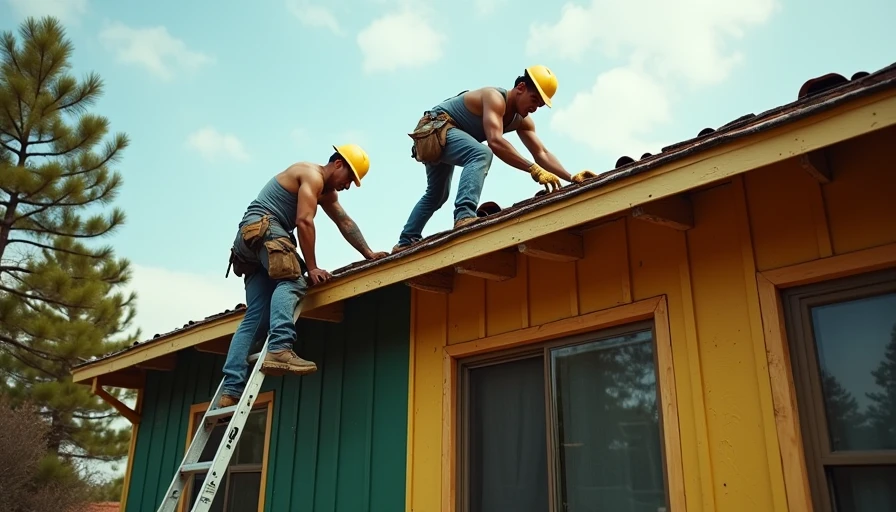
How to Check and Repair Drip Flashing
Checking drip flashing is a DIY-able task if you're comfortable on a ladder and have good balance. Wait for a dry day with no rain in the forecast. Look at the eaves from a ladder or, if you have a low-pitch roof, carefully walk the edge. What you want to see is a metal strip projecting out about half an inch past the fascia, with the shingle overhanging it slightly. If the metal is barely there or it's covered by a layer of tar, you've got a problem.
Repair options depend on the damage:
- **Minor rust spots**: Wire brush the area, apply rust primer, and paint with metal-grade paint. This buys a few years.
- **Missing sections**: Cut new flashing from aluminum coil stock (available at any home center for about $20 a roll). Slide it under the shingles and nail it in place with roofing nails. Seal nail heads with roofing cement.
- **Complete replacement**: If the fascia itself is rotted, you'll need a contractor to replace both the wood and the drip flashing. Expect to pay $200–$500 per 10-foot section, depending on your area.
For a better decision that beats a bigger renovation, consider upgrading to a thicker gauge metal (0.024 inches) when you replace **drip flashing roof** components. It'll last decades with minimal maintenance.
The Cost of Ignoring Drip Flashing Issues
Skipping a $50 flashing repair can lead to thousands in rot repair. I've seen cases where water traveled behind the gutters, rotted the fascia, then soaked the roof deck and truss ends. The fix? A new roof deck, new rafters, and new flashing—$5,000 to $10,000 easy. And if moisture reaches the attic insulation, you're looking at mold remediation and possible duct contamination. That's not just money; it's the health of anyone sleeping under that roof.
Remember: you do not need a perfect house. You need a house that is safe, dry, and honest. A working **drip flashing roof** is a key part of that trio.
When to Call a Pro vs. DIY
If you have a two-story home, steep roof, or any rotted wood, hire a licensed roofer or general contractor. The labor for drip flashing replacement is typically $300–$600 for a standard house. That's a fair trade for not falling off a ladder. For a one-story bungalow with no rot, you can handle it yourself in an afternoon.
A good roofer will also check related details: step flashing at walls, valley flashing, and the counterflashing around chimneys. Ask them to include those in the quote. Start with what is unsafe, then what is wet, then what is expensive to ignore. Drip flashing falls in the second category—wet now, expensive later.
Final Thoughts
**Drip flashing roof** installation is one of those small things that makes a huge difference in an older home. It keeps rain where it belongs—outside—and protects the structure your children depend on. Take a few minutes this weekend to inspect your eaves. If you find problems, fix them. Your house will thank you, and so will your wallet.
Start with what is unsafe, then what is wet, then what is expensive to ignore. Drip flashing covers both wet and expensive, so don't put it off.


No feedback yet — submit the first.