This is one of those questions that sounds simple but has a messy middle.
On one side, you’ve got the official line: “Always test. Never assume. Lead is dangerous.”
On the other side, you’ve got old‑house veterans: “Just assume it’s there. Treat everything like it’s lead and you’ll be fine.”
Both sides have a point. Both sides can lead you to waste money or take unnecessary risks.
I’ve tested hundreds of surfaces in old homes. I’ve also painted over plenty of old trim without testing. Here’s the real answer, stripped of fear‑mongering and overconfidence:
Test when you need to know. Assume when the answer doesn’t change your actions.
Let me unpack that. And let me give you a simple decision tree so you don’t over‑think it.
First, understand what “assume it’s there” actually means
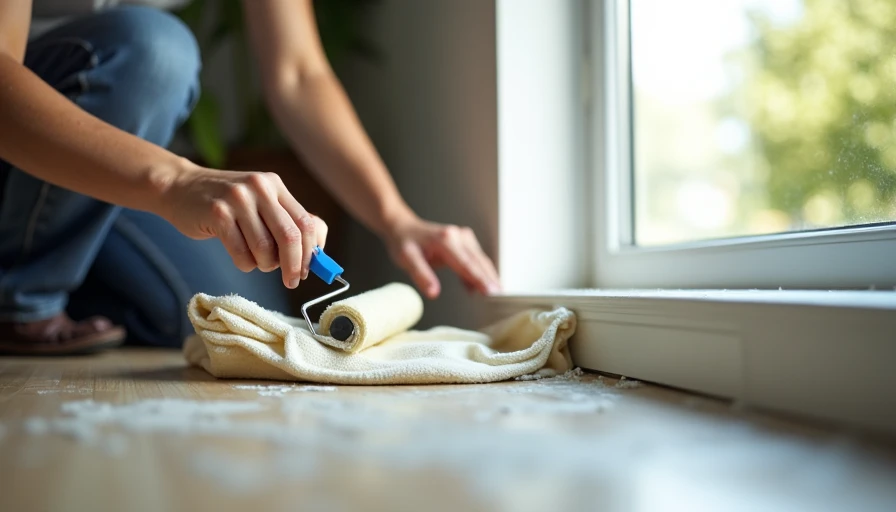
When people say “just assume it’s lead,” they usually mean: “Wet‑clean the area, don’t sand, don’t scrape dry, and paint over it with regular latex.”
That’s not bad advice for intact, non‑friction surfaces. But it’s not the same as knowing.
Assume = you proceed with safe work practices (no dry sanding, no power scraping, no heat gun over 1100°F, clean up with wet wipes). You don’t need special encapsulation paint unless the paint is failing.
Test = you spend $15–50 to find out definitively. Then you choose a different strategy: regular paint if it’s negative, encapsulation or professional handling if it’s positive and deteriorating.
So the real question isn’t “should I test?” It’s: “Does knowing change what I do next?”
When you should test (knowledge changes your plan)
Test in these situations:
1. The paint is deteriorating and within reach of a child under six
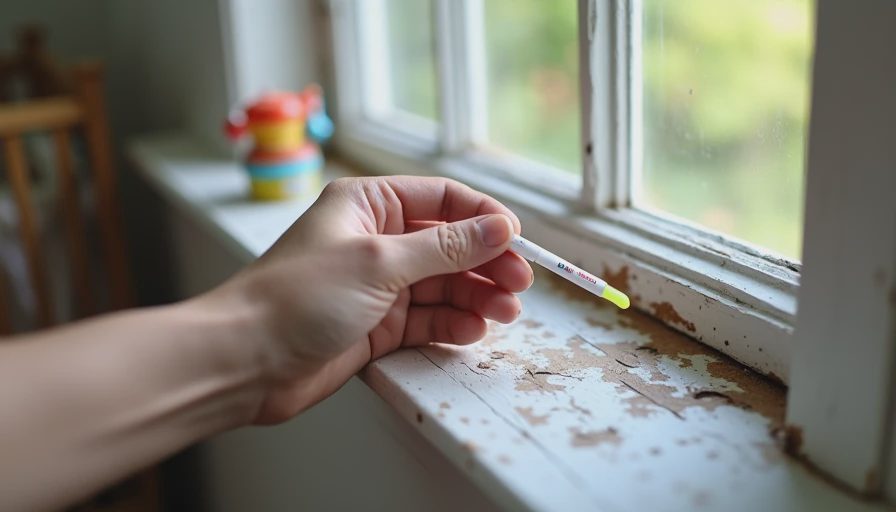
If you have chipping, peeling, or rubbing paint on a window sill, door frame, or baseboard in a room where a baby or toddler spends time, you need to know.
If test is negative: Great. Scrape, sand (with HEPA vacuum), prime, and paint normally.
If test is positive: Do not sand or dry scrape. Use a lead‑specific encapsulation paint (thicker, seals the surface). Or hire a lead‑safe contractor to remove or replace that component. You’ll also want to monitor the area and get a blood lead test for your child.
Knowledge here changes your method and your urgency. Test.
2. You’re about to do a dusty renovation in one room
Let’s say you’re removing baseboards, replacing a window, or sanding a built‑in bookcase. If there’s lead paint on those surfaces, the dust will spread everywhere.
Testing that specific surface costs $15. Not testing means you either:
Assume it’s lead and pay for lead‑safe containment (plastic sheeting, negative air, HEPA vacuum, professional cleaning) — expensive overkill if it’s actually negative.
Or assume it’s not lead and risk contaminating your house.
Test. The $15 is cheap insurance.
3. You have a surface you can’t easily encapsulate or cover
Example: a staircase baluster with intricate turnings. You can’t just paint over it with thick encapsulation paint because the details will fill in. You need to know if you’re dealing with lead before you decide to strip it (wet strip, no dust) or cover it with a different material.
Test first.
4. You want peace of mind (and you’re willing to act on the result)
Some people just want to know. That’s fine. If testing helps you sleep at night, do it. But don’t test every wall in your house — that’s expensive and unnecessary. Test the high‑risk areas (windows, doors, baseboards, trim below three feet).
When you can safely assume (knowledge doesn’t change your plan)
You can skip testing and just assume it’s lead in these situations:
1. The surface is in good condition and you’re painting over it with regular latex
If the paint is smooth, not chipping, not rubbing, and you’re just giving it a fresh coat, it doesn’t matter whether it contains lead. You’re going to paint it the same way either way.
What you do: Clean the surface with a damp rag. No sanding. Apply a quality primer (optional) and then latex paint. The new paint seals the old surface. You’ve created an encapsulation layer. Done.
No test needed. The answer wouldn’t change your actions.
2. The surface is above 5 feet and no child can reach it
Lead paint on a crown molding or a high wall poses almost no risk. It’s not being mouthed, not being rubbed, not generating dust. Paint over it or leave it alone. Testing is a waste of money.
3. You’re hiring a lead‑safe contractor anyway
If you’ve already decided to treat the whole house as lead‑containing and you’re paying for containment, HEPA vacuuming, and certified work, then testing is redundant. You’re already taking the most cautious (and expensive) path. Skip the test.
4. You’re not disturbing the surface at all
If you’re not painting, sanding, drilling, or scraping, there’s no need to test. Intact lead paint that’s left alone is not a hazard. Save your money.
How to test without getting ripped off or confused
If you decide to test, do it right.
Home test kits: Good for a quick yes/no on painted surfaces. Look for EPA‑recognized kits like 3M LeadCheck or D‑Lead. Cost: $15–30 for a kit with several swabs.
How to use them correctly:
Cut through all layers of paint to reach the oldest layer. The test only works if it touches the paint you’re worried about.
Follow the instructions exactly (timing, crushing the ampoule, etc.).
Test on a small, inconspicuous spot, or a spot you’ll paint over.
Limitations: Home kits can give false negatives if you don’t cut deep enough. They also don’t give a percentage or distinguish between different types of lead paint. But for a simple “is there lead here?” question, they’re fine.
Lab testing: More accurate, costs $30–50 per sample. You chip off a small piece (wet it first to control dust), put it in a bag, and mail it. Results come back in a week. Use this if you need a definitive answer for a renovation or if you’re suspicious the home kit was wrong.
Do not: Pay an inspector $300 to test a single window sill. That’s overkill. Save the professional inspection for a whole‑house assessment or a pre‑renovation survey.
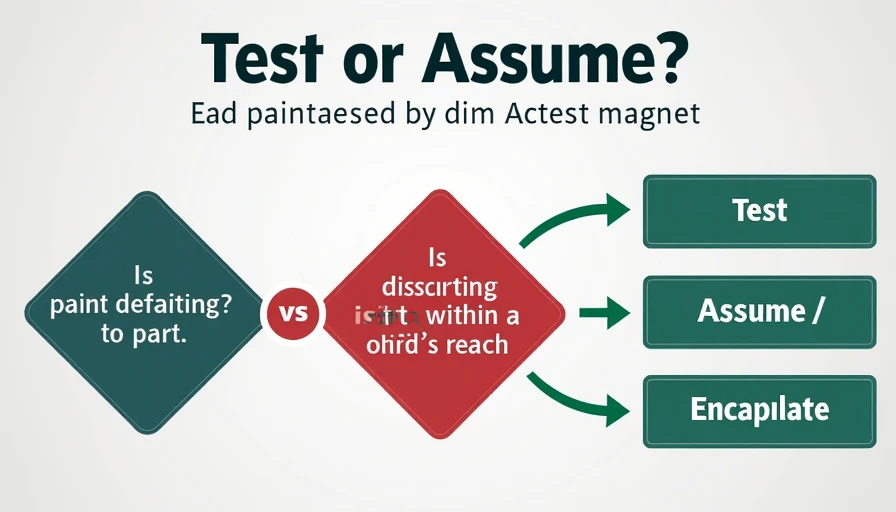
The decision tree (print this and stick it on your fridge)
Start here:
Is the paint deteriorating (chipping, peeling, rubbing)?
No → Go to question 2.
Yes → Go to question 3.
Are you planning to disturb it (sand, scrape, drill, remove)?
No → Don’t test. Paint over it or leave it alone.
Yes → Test. (You need to know for dust control.)
Is the deteriorated surface within 3 feet of the floor AND in a room where a child under 6 spends time?
No → You can assume lead and encapsulate (use lead‑sealing paint or cover with contact paper). Testing optional.
Yes → Test. (You need to know how urgent the hazard is.)
That’s it. You don’t need a flowchart with twenty boxes.
What we do in our house
I have a confession: I don’t test every surface before painting. I used to. Now I’m more strategic.
When I test:
Before sanding any old trim (even if it looks intact — I want to know if I need a HEPA vacuum and containment)
Before moving a crib near a window sill with any sign of wear
Whenever a client asks me to look at a specific spot in their home
When I don’t test:
Plain walls with no damage, above child height
Exterior paint that’s intact (I just repaint with exterior latex — the new paint seals it)
Trim that I’m going to encapsulate anyway with lead‑sealing paint
Our 1948 house has lead paint on the original window jambs. I tested one jamb, got a positive, and assumed the rest are positive. I encapsulated them with lead‑sealing paint and added window well guards. I didn’t test every window. That would have been a waste.
The one mistake I see most often
The mistake isn’t testing too much or too little. It’s testing, getting a positive, and then panicking.
A positive test does not mean your child is poisoned. It does not mean you need to move out. It does not mean you need to hire a $10,000 abatement company.
It means: “This surface contains lead. If it’s deteriorating and your child can reach it, take action. If it’s intact, leave it alone or paint over it.”
That’s all.
I’ve seen families spend thousands on professional lead abatement for intact, lead‑containing walls that were never a hazard. They were scared by a test kit and a contractor who saw dollar signs.
Don’t be that family.



No feedback yet — submit the first.