Deck Railing Construction: What Every Homeowner Should Know About Safety and Code
I spend a lot of time in older houses, and one of the first things I look at when I walk out back is the deck railing. Deck railing construction is often overlooked until someone leans on it and feels it shift. If you have young kids or plan to entertain on your deck, getting the railing right is not optional. It is a safety feature that keeps people from falling, and it has to meet building codes that most older decks were never built to.
Why Deck Railing Construction Matters for Safety
A solid deck railing does more than just look good. It prevents falls, especially for children. The standard height requirement for residential decks is 36 inches above the walking surface, and balusters must be spaced no more than 4 inches apart so a child's head cannot get stuck. If your deck was built before the 2000s, it is possible the railing was never constructed to these modern standards. I have seen decks where the top rail is only 30 inches high, which is a serious fall risk for a toddler. Beyond height, the structure itself has to be strong enough to handle someone leaning or tripping into it. That means the posts must be securely fastened to the deck frame, often using through-bolts or lag screws rather than nails, which can work loose over time.
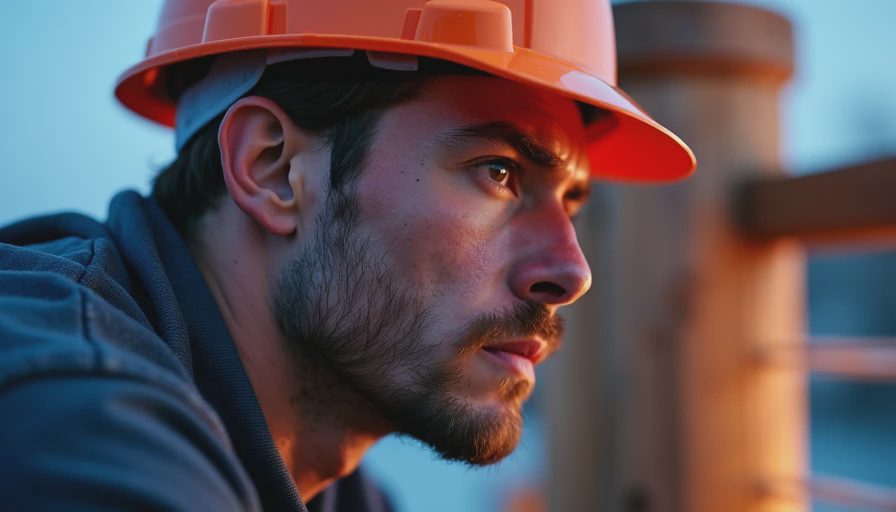
Deck Railing Construction Requirements and Building Codes
Most local building codes follow the International Residential Code (IRC) for deck railing construction. The IRC says guardrails are required when the deck is 30 inches or more above grade. For those rails, the minimum height is 36 inches. Balusters must be spaced so a 4-inch sphere cannot pass through. The railing system must be able to withstand a concentrated load of 200 pounds applied at any point along the top rail, and a uniformly distributed load of 50 pounds per linear foot. That is a high standard, but it makes sense. If you have ever seen a rotten post give way, you understand why. In older homes, especially those from the 60s and 70s, deck railing construction might have been done with basic 2x4s nailed to the rim joist. That setup rarely meets modern load requirements. If your deck is more than 30 inches off the ground and the railing feels wobbly, it is time to upgrade.
Common Deck Railing Construction Mistakes in Older Homes
Over the years, I have crawled under a lot of decks, and the same problems pop up again and again. The most common is attaching railing posts to the outside of the deck rim with nails or small lag screws that barely grab the wood. Another issue is not using a continuous top rail—some older decks have sections of railing butted together without proper connection. Then there is rot. Water gets into the end grain of posts and rots them from the inside out. By the time you see the rot, the post is often too weak to hold much weight. If the deck was built without joist tape or flashing around post bases, moisture damage is almost guaranteed. Deck railing construction in older homes also tends to have baluster spacing that is too wide. I have measured gaps of six inches or more, which is a hazard for small children. If your balusters are more than four inches apart, that is a clear sign you need to rebuild.
Materials for Deck Railing Construction
You have options when it comes to materials, and your choice affects both safety and maintenance. Pressure-treated wood is the most budget-friendly for deck railing construction. It costs around $15 to $25 per linear foot installed, and it can last 15 to 20 years if properly sealed. But it checks and warps over time, and the balusters can pull apart if not installed with hidden fasteners. Cedar and redwood are naturally rot-resistant and look great, but they cost about $30 to $40 per linear foot. They require regular staining or sealing to stay in good shape. Composite railing, like Trex or TimberTech, is low-maintenance and often comes with a 25-year warranty. Expect to pay $40 to $60 per linear foot installed. Composite does not rot, but it can sag over long spans if the manufacturer's structural specifications are not followed. Aluminum railing is the most durable and strongest, at $50 to $80 per linear foot, and it will not rust or rot. For any material, make sure the system is rated to meet code loads. I have seen cheap composite railings that feel flimsy under hand pressure. Do not rely on the material alone—check the engineering.

When to Call a Professional for Deck Railing Construction
Some homeowners can handle deck railing construction themselves if they are comfortable with basic carpentry and have the right tools. But if your deck is more than 30 inches high, I recommend having a professional at least inspect the work. Building a safe railing requires proper fastening to the deck structure, which often means cutting back the decking to expose the rim joist and using through-bolts. That is not a beginner project. Also, if you have an older deck that was not built to code, you might need to reinforce the entire deck frame before even starting on the railing. A contractor can tell you whether your posts are connected well enough or if the deck ledger is sound. A typical deck railing replacement by a pro runs $1,500 to $4,000, depending on the length and material. That is a lot less than a trip to the emergency room.
Final Thoughts on Deck Railing Construction
If your deck railing wobbles, is less than 36 inches tall, or has baluster gaps wider than 4 inches, those are urgent issues. Start with what is unsafe, then worry about aesthetics. Deck railing construction is one of those home projects that has a direct impact on your family's safety. You do not need a perfect house, but you do need a deck that will not let anyone fall. If you are unsure about your railing, call a building inspector or a deck specialist to take a look. It is money well spent.
You do not need a perfect house. You need a house that is safe, dry, and honest.



No feedback yet — submit the first.