If you own an older house like my 1948 Pittsburgh home, you've probably heard about attics needing ventilation. Ridge vents, soffit vents, gable vents — the standard advice is that a roof has to breathe. But there's another approach that's gaining traction, especially in energy-conscious renovations: the unvented roof assembly. Instead of letting outside air flow through the attic, an unvented roof assembly seals the roof deck and moves the insulation and air barrier directly under the roof sheathing. This turns the attic into conditioned space, which can solve some problems common in old houses (think ice dams and ductwork in unconditioned attics) but can also create new ones if not done carefully. Over the past few years, I’ve helped several families in the Midwest and East Coast decide whether an unvented roof assembly makes sense for their home. Here’s what I’ve learned.
What Makes a Roof Unvented?
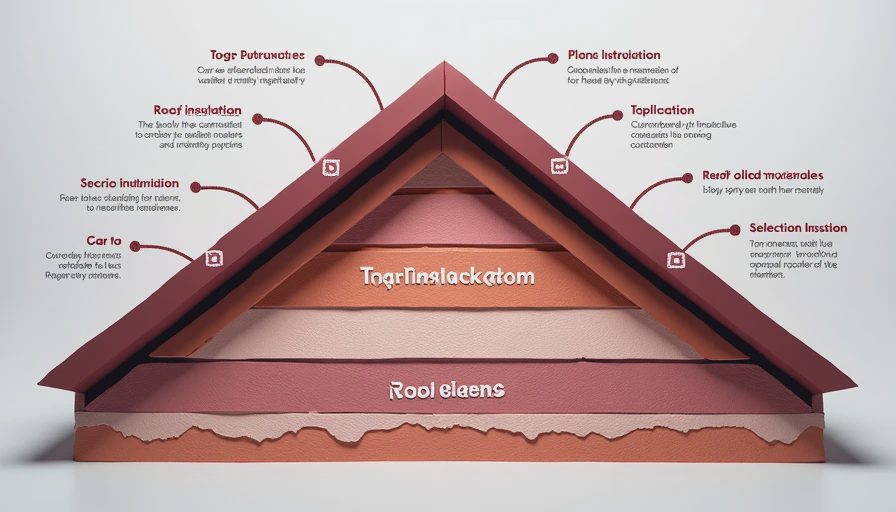
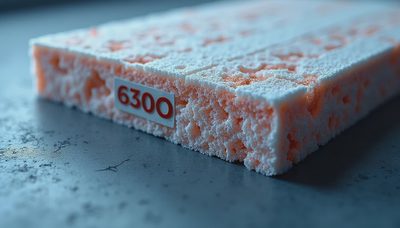
A traditional vented roof assembly relies on a continuous airflow path from soffit to ridge to remove moisture that migrates from the living space into the attic. An unvented roof assembly eliminates those vents and seals the underside of the roof deck. Insulation is applied directly against the deck, usually with closed-cell spray polyurethane foam (ccSPF) or a combination of foam and air-permeable insulation. The key is that the insulation must be vapor-impermeable enough to prevent condensation during cold weather.
In practice, this means the attic becomes part of the home's conditioned envelope. That can be a game-changer if you have mechanical equipment or ductwork up there. It also means the roof deck stays warmer in winter, which reduces the risk of ice dams. But the trade-off is that moisture management becomes critical. Any leak or failure in the insulation or air barrier can lead to trapped moisture and rot.
Why Consider an Unvented Roof in an Older House?
Old houses often have attics that are impossible to ventilate properly. Maybe the soffits are blocked by old insulation or the roof geometry doesn't allow for ridge vents. In those cases, an unvented roof assembly can be a way to stop moisture problems without opening a can of structural work.
I worked with a family in a 1927 colonial outside Boston. Their attic wasn't vented well — the original builders didn't plan for it — and they had mold on the roof deck every winter. Traditional advice would be to add ventilation, but that would have required cutting into the roof and soffits. Instead, we went with an unvented roof assembly using closed-cell foam. The mold problem disappeared, and they also noticed lower heating bills because the attic wasn't sucking heat out of the living space.
There's also the issue of ductwork. If your furnace or AC ducts run through an unconditioned attic, you lose a lot of energy through them. Making the attic conditioned with an unvented roof assembly keeps those ducts at room temperature, improving efficiency.
Moisture Risks and How to Manage Them
Here's where a lot of contractors get it wrong. An unvented roof assembly works by preventing warm, moist indoor air from reaching a cold roof deck. If the insulation or air barrier has gaps, moisture will condense on the cold sheathing and cause rot.
The most common failure is using the wrong type of foam. Open-cell spray foam can absorb moisture and is not vapor-impermeable enough for cold climates. For an unvented roof assembly in the Northeast or Midwest, you typically need at least R-20 of closed-cell foam applied directly to the underside of the deck. Some codes also require an additional layer of air-permeable insulation on the interior side for higher R-values.
Another risk is that the roof itself must be leak-proof before you seal the assembly. Once the foam is in place, a roof leak becomes much harder to detect until significant damage has occurred. I always recommend having a roofer inspect and repair the roof before proceeding.
Is an Unvented Roof Assembly Right for Your Home?
Not every old house needs an unvented roof assembly. If your attic is properly ventilated and doesn't have mold or ice dam problems, I'd leave it alone. The vented approach is simpler, cheaper, and proven.
But if you have persistent ice dams, condensation on the roof deck, or uninsulated attic ductwork, an unvented roof assembly could be the right fix. It's especially useful if you want to finish the attic for living space without raising the roof height.
Before you commit, have a building science consultant or experienced contractor do a moisture analysis. You need to know the climate zone, the existing moisture load from the house, and the exact insulation assembly requirements. In my area (Pittsburgh, Zone 5), the code requires that the insulation assembly have a permeance of less than 1 perm when installed on the underside of the roof deck.
The Bottom Line on Unvented Roof Assemblies
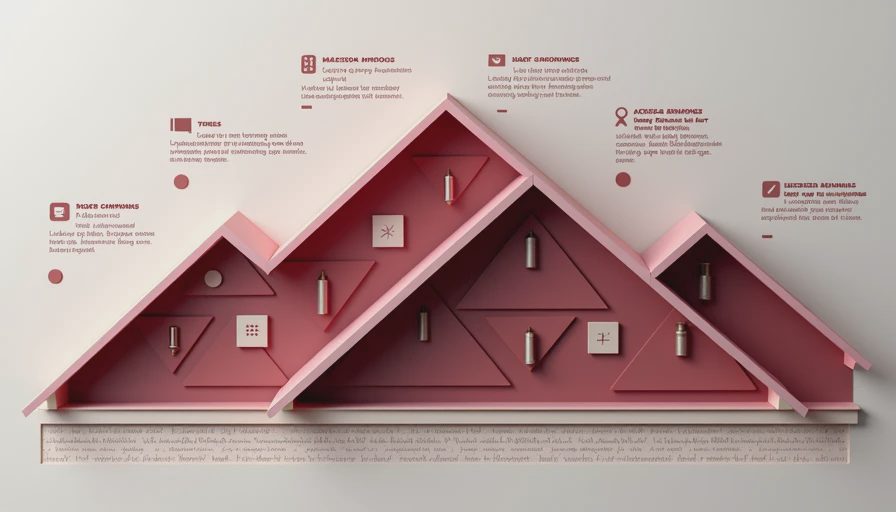
An unvented roof assembly is a powerful tool, but it's not a DIY project. It requires careful planning, proper materials, and airtight installation. For owners of older homes struggling with attic moisture or ice dams, it can be a smarter investment than fighting with inadequate ventilation.
Start by understanding your current condition. Inspect your attic for signs of moisture: water stains, mold, frost on nail tips, or damp insulation. Then talk to at least two contractors who have experience with unvented roof assemblies in cold climates. Ask for references and inspection photos of past jobs.
Remember, the goal is a safe, dry, honest house. An unvented roof assembly can get you there, but only if you treat it with the respect it demands. If you have more questions about whether this approach fits your home, send me a message at the blog. I'm always happy to help a fellow old-house owner make a sound decision.

No feedback yet — submit the first.