If you own an older home with a crawl space, you have probably dealt with damp smells, chilly floors, or high humidity in the basement. A conditioned crawl space could change that. Instead of leaving that dark area open to outside air, you seal it, insulate the walls, and connect it to your home’s heating and cooling system. The result is a dry, stable space that helps keep your whole house healthier and more energy efficient.
A conditioned crawl space is especially valuable for families living in older houses on the East Coast or Midwest, where wet springs and humid summers can turn an unconditioned crawl space into a mold nursery. When I walk through homes in the Pittsburgh area, I see the same story over and over: a vented crawl space that pulls in humid outside air, condenses on cool surfaces, and eventually leads to wood rot, pest problems, and expensive repairs. Going with a conditioned crawl space instead can prevent those headaches.
Why a Conditioned Crawl Space Matters for Your Home
Moisture is the biggest enemy of an older house. A vented crawl space relies on passive airflow to keep humidity down, but that rarely works in real-world conditions. During summer, warm damp air enters the crawl space and hits cold ductwork or concrete, forming condensation. That moisture soaks into floor joists and insulation, creating the perfect environment for mold growth.
A conditioned crawl space stops this cycle. By sealing off the vents and insulating the walls—not the floor above—you keep the space close to the temperature of your living area. The HVAC system can then circulate a small amount of conditioned air, keeping relative humidity below 60 percent. That makes a huge difference for families with young kids who suffer from allergies or asthma. You do not need a perfect house, but you do need a dry one.
Not every ugly problem is urgent. Not every invisible problem is harmless. A damp crawl space falls into the second category. You might not see the mold, but your home’s air quality and your heating bills will tell the story. A conditioned crawl space addresses both.

How to Decide if a Conditioned Crawl Space Is Right for You
Not every house needs a full conditioned crawl space conversion. If your crawl space stays dry year-round and you have no insulation issues, you might be fine leaving it vented. But if you notice any of these signs, a conditioned crawl space is worth considering:
- Musty smells coming from floor registers
- High indoor humidity even with air conditioning running
- Cold floors in winter, especially over the crawl space
- Visible mold or mildew on floor joists or subfloor
- High energy bills compared to similar homes in your area
Start with what is unsafe, then what is wet, then what is expensive to ignore. A damp crawl space is wet and expensive. In many older homes, the cost to convert a vented crawl space to a conditioned crawl space pays for itself in a few years through lower heating and cooling costs and fewer moisture-related repairs.
I recommend testing your crawl space humidity first. Buy a cheap hygrometer and monitor it for a week during humid weather. If readings stay above 60 percent most of the time, a conditioned crawl space will probably improve your home’s comfort and safety. If they stay under 50 percent, you might only need to seal a few cracks and add a vapor barrier.
What the Conversion Process Looks Like
Converting to a conditioned crawl space is not a weekend DIY project. It is a methodical job that requires careful planning. Here is a typical process:
- Remove existing moisture sources. Any standing water, leaky pipes, or drainage problems must be fixed first. A conditioned crawl space will not help if water keeps flowing in from outside.
- Seal all vents and openings. Permanently close the foundation vents. Also seal around any penetrations for pipes, wires, or ducts.
- Install a heavy-duty vapor barrier. A 20-mil reinforced polyethylene sheet covers the entire dirt floor, extending up the walls at least 12 inches. This keeps ground moisture from evaporating into the space.
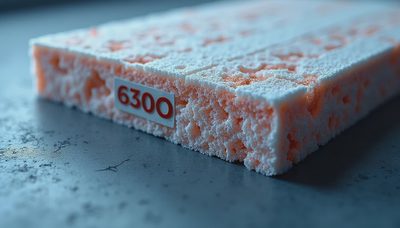
- Insulate the walls. Use rigid foam insulation or closed-cell spray foam on the crawl space walls, not the floor above. That keeps the space within the thermal envelope of your home.
- Provide a small supply of conditioned air. Run a duct from your HVAC system into the crawl space, or install a small exhaust fan that pulls air from the house. Either way, the goal is to maintain stable temperature and humidity.
I have seen contractors quote anywhere from $3,500 to $8,000 for a conditioned crawl space conversion in a typical 1,000-square-foot home. The price depends on accessibility, insulation type, and local labor rates. That might sound steep, but compare it to the cost of replacing rotted floor joists or dealing with a major mold remediation—that can easily run $10,000 or more.

Cost and Savings: Is a Conditioned Crawl Space Worth It?
Let us talk numbers. A conditioned crawl space can lower your heating and cooling bills by 10 to 20 percent, according to building science research. For a typical older home spending $2,500 a year on energy, that is a savings of $250 to $500 annually. On top of that, you avoid the hidden costs of moisture damage: mold testing, wood repairs, and higher maintenance for equipment in the crawl space.
But the biggest return is hard to price. A conditioned crawl space improves indoor air quality. If your child has fewer asthma attacks or your own allergies calm down, that matters more than any dollar figure. In an old house, the best investment you can make is a dry, safe environment for your family.
I always tell homeowners in the Pittsburgh area: before you spend money on new windows or a fancy front door, check your crawl space. A conditioned crawl space often delivers more comfort per dollar than many cosmetic upgrades. You do not have to do everything at once. Start with a plan, get a few bids, and remember that a better decision beats a bigger renovation.
A conditioned crawl space is not glamorous, but it works. It is one of those hidden fixes that makes an older house feel more solid, less drafty, and safer to live in. If you are tired of fighting moisture every summer, it might be exactly what your home needs.

No feedback yet — submit the first.