If you live in an older house with a roof that feels like it leaks heat every winter, you understand the frustration of high energy bills and rooms that never feel quite comfortable. One option that comes up in home improvement circles is using SIP roof panels. SIP stands for Structural Insulated Panels, and they offer a way to replace both the roof deck and insulation in one system. This article explains how SIP roof panels work, what they cost, and whether they make sense for an older home.
What Are SIP Roof Panels?
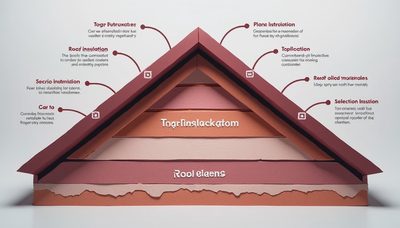
SIP roof panels consist of a rigid foam insulation core sandwiched between two layers of oriented strand board (OSB). They are manufactured in a factory and delivered to the job site ready to install. Unlike traditional roof construction where you build rafters, install sheathing, and then add insulation later, SIP panels combine all these layers into a single component. They are known for their high R-values and airtight performance. For an older home with drafty rafters and uneven insulation, SIPs can be a game changer.
Benefits for Older Houses
Older homes often have attics with minimal or settling insulation. When you need to replace a roof, installing SIP roof panels can address both structure and insulation at once. The continuous insulation with no thermal bridging means fewer cold spots and less condensation risk. That matters for old houses where moisture has caused rot or mold over the years. SIPs also create a solid, strong roof deck that can handle snow loads common in the Northeast and Midwest.
Another advantage is speed. Because panels come pre-made, installation takes less time than stick framing. Less time on the roof means less exposure for the rest of your house to the elements during a renovation.

What to Watch Out For
SIP roof panels are not a plug-and-play solution for every old house. The panels must be designed specifically for your roof pitch and dimensions. If your roof has complex hips, valleys, or dormers, the custom fabrication can drive up costs. Also, SIPs are vulnerable to moisture if not properly sealed at the joints. In an old house with existing leaks, you need to fix underlying issues before sealing everything up. Otherwise, trapped moisture can rot the panels from the inside.
Cost is another factor. Expect to pay $10 to $15 per square foot for the panels themselves, plus installation. That is typically higher than traditional rafters and batt insulation. However, you save on labor for separate insulation work and reduce future energy costs. Over 10 to 20 years, the savings can outweigh the upfront premium.
SIP Roof Panels and Moisture Control
Older houses often have humidity issues from basements or poor ventilation. When you install SIP roof panels, you are creating a very tight roof assembly. That means you need to manage moisture carefully. Make sure your attic has proper ventilation behind the panels, especially if you keep the attic space ventilated. Some homeowners opt for unvented attic designs with spray foam, but SIP roofs can also work with vented systems if designed correctly. Work with a builder who understands the vapor profile of your house.
How to Decide if SIP Roof Panels Are Right for You
If your roof is nearing the end of its life and you plan to stay in the house for several years, SIP roof panels become a serious option. Start with a professional roof inspection and an energy audit. An auditor can tell you exactly where heat is escaping and whether SIPs would solve the main problems. If the attic has active leaks or moisture damage, address those first. You do not want to trap existing dampness.
For homes with straightforward gable roofs, SIPs are easy to install and provide excellent performance. For more complex rooflines, expect higher design fees and longer lead times. In either case, work with an installer who has experience with older homes and understands how to integrate SIPs with existing framing and ventilation.

Real-World Example
A family in a 1950s colonial near Philadelphia replaced their old asphalt shingle roof with SIP roof panels. Their previous roof had poor insulation and they felt drafts every winter. After the upgrade, their heating bills dropped by about 30%. The project cost $18,000 for a 1,200 square foot roof, which was about $5,000 more than a traditional replacement. But they plan to live in the house for 20 years and the energy savings paid back the difference in under 10 years. They also noticed the upstairs rooms felt more even in temperature, with fewer cold spots near the windows.
Final Thoughts
SIP roof panels are not the only answer for an old house. But if you are facing a roof replacement and want to improve energy efficiency and comfort, they are worth a close look. The key is to evaluate your specific situation: roof complexity, budget, moisture condition, and how long you plan to stay. As I tell homeowners, you do not need a perfect house. You need a house that is safe, dry, and honest. SIPs can help you get closer to that goal if you approach the project with clear eyes and a solid plan.



No feedback yet — submit the first.