If you own an older home like I do, you may have come across the term "EIFS exterior finish system" while researching siding options. It stands for Exterior Insulation and Finish System, and it was popularized in the United States starting in the 1970s. Many houses built or remodeled in the 1980s and 1990s have it, especially in the Northeast and Midwest. But if your house is pre-1990, there is a good chance you are dealing with an early-generation version that can cause trouble. Let me walk you through what this system is, why it matters for your family's health and safety, and what you should do if your house has it.
What Is an EIFS Exterior Finish System?
An EIFS exterior finish system is essentially a multi-layer wall cladding that provides insulation and a finished surface in one application. The typical setup includes a layer of foam insulation board attached to the exterior wall, a base coat reinforced with fiberglass mesh, and a textured acrylic finish coat. It looks like stucco but feels lighter and often has a synthetic appearance. The big selling point was energy efficiency — the foam layer gave older homes a continuous insulation wrap, cutting heating and cooling bills. In theory, it makes sense. In practice, especially with older installations, moisture management is the Achilles' heel.
The biggest problem with early EIFS systems is that they were installed without a proper drainage plane. Water gets in through cracks around windows, doors, or the roof line, and then gets trapped behind the foam. The wall underneath cannot dry out, which leads to rot, mold, and even structural damage. For families with young kids, mold inside the wall cavity can affect indoor air quality. I have seen homes where the wall sheathing was completely rotted behind a perfectly fine-looking EIFS finish. That is the hidden risk we talk about on this blog.
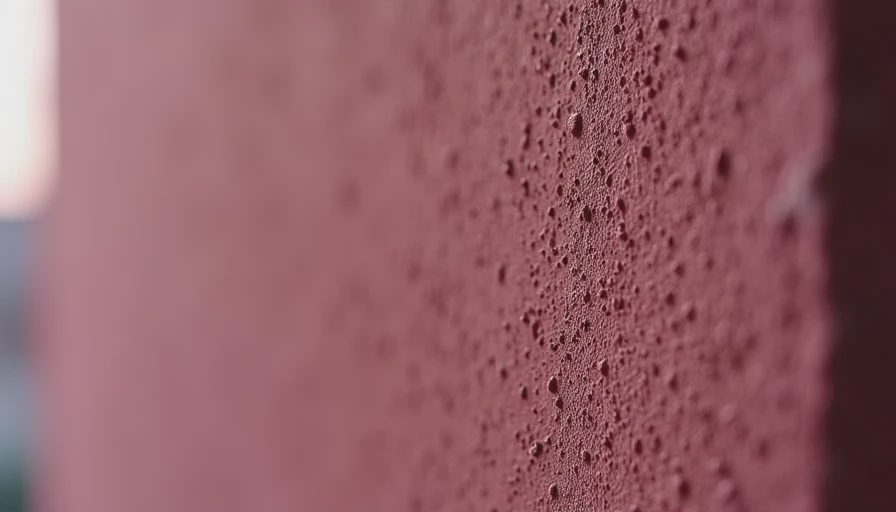
Moisture Risks and Older Homes
If your home was built before 1990 and has an EIFS exterior finish system, you need to be proactive. The earliest formulations were barrier systems — they relied on the finish coat alone to keep water out. That works only when every seam and penetration is perfectly sealed, which almost never holds up over decades. Modern EIFS systems include a drainage layer, but retrofitting that onto an old house is expensive.
So what should you do? Start with a careful visual inspection. Look for cracks in the finish coat, especially around windows, doors, and where the siding meets the roof or foundation. Check for discoloration or bulging. Tap on the surface near corners — if it sounds hollow or feels spongy, moisture may have softened the substrate. Also, pay attention to musty smells inside the house, particularly along exterior walls. That can be a sign that moisture is getting in and mold is growing.
If you find any of these signs, do not panic. You do not need to rip off all the siding tomorrow. But you do need a plan. The first step is to get a moisture inspection from someone who knows EIFS. Many home inspectors will not dig into it, so ask specifically if they have experience with synthetic stucco. They may use a moisture meter or even take core samples. If the damage is localized, you might be able to repair just that area. If it is widespread, a full replacement may be needed.
Replacement options include traditional stucco, fiber cement siding, or a modern EIFS with proper drainage. The cost can range from $8 to $15 per square foot, depending on your region and what lies underneath. That is not cheap, but it is an investment in your home's health and your family's safety. I always tell homeowners: start with what is unsafe, then what is wet, then what is expensive to ignore. A failing EIFS system can hit all three.
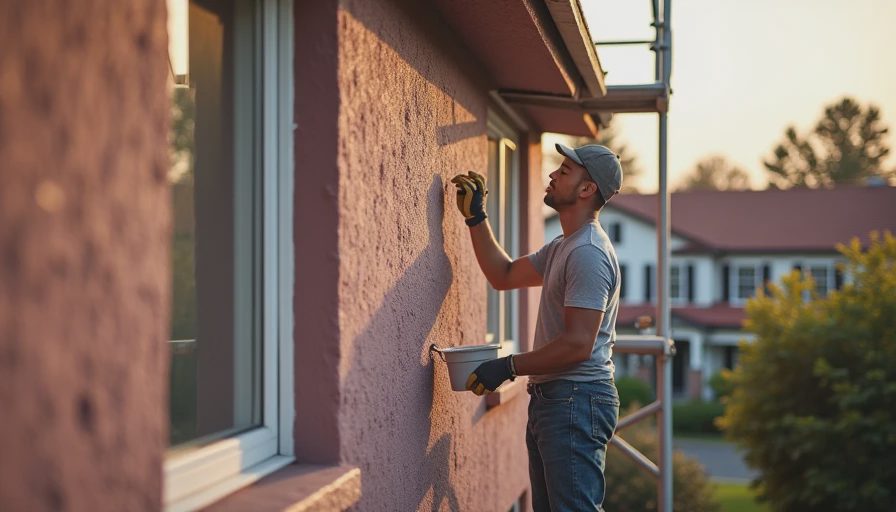
How to Maintain an Older EIFS Exterior Finish System
If your EIFS exterior finish system is still in good shape, do not assume it will stay that way without care. Caulking around windows and doors should be inspected annually and replaced every few years. Keep gutters clean and downspouts directing water away from the foundation — splashback can get behind the system at the bottom. Trim back any landscaping that touches the siding, because plants hold moisture against the finish. And if you ever have work done on the roof or windows, make sure the contractors know how to seal the EIFS properly. A bad roof-flashing job can ruin a wall in one rainy season.
I also recommend having a thermal imaging scan done every few years. A thermal camera can show temperature differences on the wall surface that might indicate trapped moisture behind the foam. It is non-invasive and can catch problems early. I do this every fall before the real cold hits, just for peace of mind.
The Bottom Line
An EIFS exterior finish system can be a good, energy-efficient siding choice — when installed and maintained correctly. But for older homes, especially those built before drainage layers became standard, it is a system that demands attention. Do not let it be an out-of-sight, out-of-mind problem. A little vigilance now can save you from a major repair later. And if you are buying a house with EIFS, get a specialist inspection before closing. You do not need a perfect house. You need a house that is safe, dry, and honest. That honesty includes knowing what is behind those walls.


No feedback yet — submit the first.