A **crack in foundation** is one of those house problems that can spike your heart rate fast, especially if you already live in an older home with a damp basement, sticky doors, or mystery stains on the wall. The good news is that not every crack means structural trouble. The more useful question is this: what kind of crack are you looking at, what is causing it, and what should you do next? Old houses hide things. That does not mean you have to fear them. It means you need a calm plan.
Start by looking at the type of crack
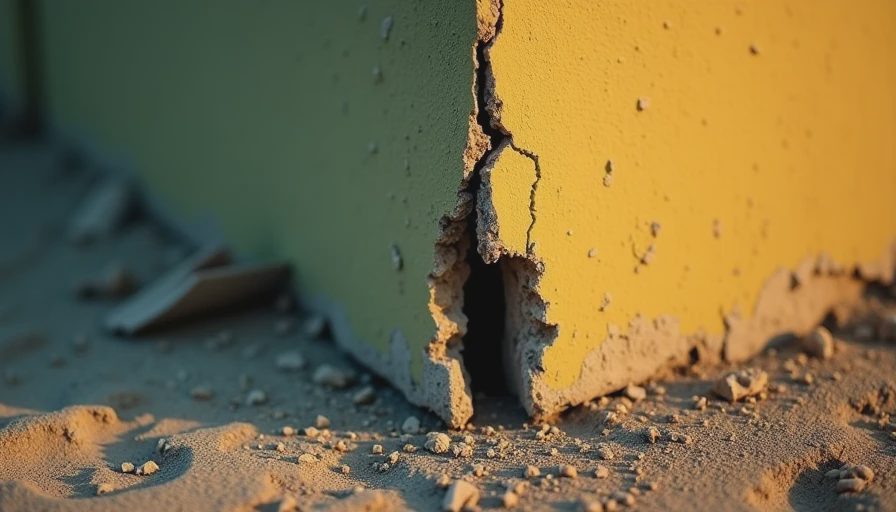
When I walk through a basement, I do not start with panic. I start with shape, width, and location. A thin vertical **crack in foundation** walls is often less concerning than a long horizontal crack, especially in poured concrete. Vertical cracks can happen as concrete cures and shrinks, or from minor settling over time. In many homes, those are monitor-and-seal issues, not emergency issues.
Horizontal cracks are different. They can point to pressure from soil pushing against the wall, often made worse by poor drainage, clogged gutters, or heavy wet soil after storms. Stair-step cracks in block or brick foundation walls also deserve closer attention because they can suggest movement. If a **crack in foundation** is wider than about 1/8 inch, growing, or paired with bowing walls, that moves it higher on the list.
Also look for water. A dry hairline crack and a leaking crack are two different conversations. Start with what is unsafe, then what is wet, then what is expensive to ignore.
Watch for clues elsewhere in the house
A **crack in foundation** rarely tells the whole story by itself. I want homeowners to step back and connect it to what the rest of the house is doing. Are doors suddenly rubbing? Are windows harder to open? Do floors feel sloped in one area? Are there new drywall cracks over interior doors, or gaps where trim pulls away from the wall?
One isolated crack in an older basement may simply be part of an aging house settling into itself. Multiple symptoms together are more important. If the basement wall is cracked, the first-floor windows are sticking, and you can see a section of wall pushing inward, that pattern matters. Not every ugly problem is urgent. Not every invisible problem is harmless.
Moisture clues matter too. Efflorescence, that chalky white residue on masonry, suggests water movement through the wall. Damp smells, peeling paint, and puddling after rain can make a small **crack in foundation** more damaging over time because water keeps exploiting the weak point. In family homes, I care about that not just for the wall, but for mold risk, indoor air quality, and long-term repair cost.
Common causes homeowners can actually address
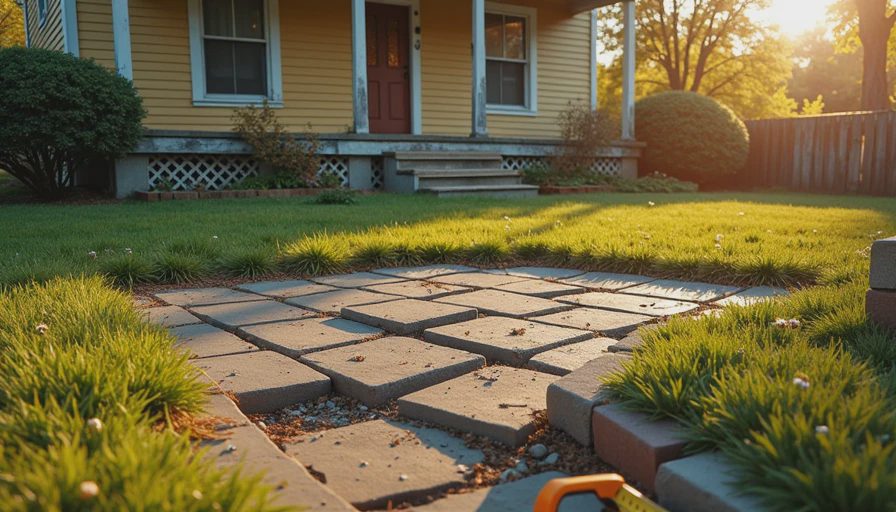
A lot of foundation trouble starts outside, not in the basement. If I had a short list of first checks, it would include gutters, downspouts, grading, and roof runoff. A **crack in foundation** can worsen because thousands of gallons of roof water keep dumping next to the house year after year. Extending downspouts 6 to 10 feet away from the foundation is cheap compared with structural repair.
Poor grading is another big one. Soil should slope away from the house, not toward it. Mulch piled too high, settled walkways, or flower beds that trap water against the wall can all increase moisture pressure. In freeze-thaw climates across the East Coast and Midwest, that repeated wetting and expansion cycle is hard on older foundations.
Tree roots get blamed a lot, sometimes fairly and sometimes not. The more common issue is moisture imbalance in the soil, not a root punching through concrete like in a movie. Plumbing leaks under slabs can also play a role, especially if a **crack in foundation** appears along with warm floor spots, unexplained water use, or new floor damage. The point is simple: before you spend big money, make sure you understand the cause.
When to monitor, when to call a pro
Some cracks are reasonable to monitor for a season. If the **crack in foundation** is hairline, vertical, dry, and not paired with movement elsewhere, mark the ends lightly with pencil, write the date nearby, and take clear photos. Recheck it every month or after heavy rain. A simple crack monitor gauge is inexpensive, but even dated photos can help you see whether it is changing.
Call a qualified structural engineer or experienced foundation specialist sooner if the crack is horizontal, wide, leaking, getting longer, or tied to a bowing wall. The same goes if you notice repeated water entry, slab movement, large stair-step cracks, or multiple interior signs of shifting. I usually tell families this: you do not need a perfect house. You need a house that is safe, dry, and honest.
An engineer's site visit often costs a few hundred dollars to around $1,000 depending on the market, but that can save you from buying the wrong repair. Some contractors do excellent work, but the diagnosis should be solid before anyone starts selling anchors, piers, or drain systems.
Repair options and realistic cost ranges
Repair cost depends on the type of **crack in foundation**, the cause, and whether the wall is just leaking or actually moving. For a simple non-structural crack in poured concrete, epoxy or polyurethane injection often runs a few hundred dollars per crack. That can seal water entry effectively when movement is not the main issue.
If the problem is water pressure, exterior drainage work, downspout extensions, or regrading may be the better first dollar spent. Those fixes can range from low-cost weekend work to several thousand dollars if excavation is involved. Interior drain tile and sump improvements can help manage water, but they do not correct wall movement by themselves.
For structural problems, costs rise fast. Wall anchors, carbon fiber straps, or steel reinforcement can land in the low thousands. Helical piers or push piers for settlement can run much higher, often several thousand dollars per pier depending on access and design. That is why repair order matters. A better decision beats a bigger renovation.
A calm next-step plan for families
If you found a **crack in foundation** today, do three things first. Take photos with a tape measure or coin for scale. Walk the exterior during the next rain and see where water is going. Then make a simple symptom list: sticking doors, sloped floors, wall movement, damp smells, or recurring leaks. That gives you a clearer picture than staring at one crack and guessing.
If there is active leaking, address water management quickly. If the wall appears to bow, or the **crack in foundation** is widening, bring in a structural engineer or a well-reviewed foundation contractor for evaluation. Get more than one opinion on expensive work. In older houses, especially with kids in the home, I like repairs that reduce both moisture and future disruption.
Most of all, do not let one visible problem shove you into a rushed, oversized project. Foundation concerns deserve respect, but they also deserve sequence. Start with what is unsafe, then what is wet, then what is expensive to ignore. That is how you protect your house, your budget, and your peace of mind.




No feedback yet — submit the first.